
Texas Instruments (TXN): Balancing Institutional Power with Market Volatility Risks
The semiconductor giant Texas InstrumentsTXN-- (TXN) has long been a cornerstone of the tech sector, but its stock performance in 2025 hinges on an increasingly critical dynamic: institutional ownership. With 88% of shares held by institutional investors, and the top 21 shareholders controlling 51% of the company, TXN's trajectory is now inextricably tied to the whims of its largest stakeholders. This article examines how this concentration of power shapes volatility, strategic decision-making, and future growth opportunities, while weighing the risks of herd behavior against the stabilizing influence of long-term institutional credibility.

The Double-Edged Sword of Institutional Dominance
Texas Instruments' institutional ownership structure presents a paradox. On one hand, the $181 billion market cap and 9.6% year-over-year price increase (to $221.25/share) reflect institutional confidence in its leadership in analog chips and embedded processing. Major holders like Vanguard (10% stake), BlackRockBLK-- (9.2%), and JPMorganJPM-- (4.6%) provide stability, often acting as "anchor investors" during market turbulence. Their sustained presence can deter speculative volatility and attract retail investors seeking blue-chip reliability.
However, the 51% concentration among top 21 shareholders introduces fragility. Sudden shifts in institutional sentiment—such as the 16.3% quarterly reduction by AllianceBernstein or 13.2% drop by Amundi—could trigger cascading sell-offs. This is compounded by the broader institutional allocation trend: the average portfolio stake in TXNTXN-- fell by 2.63% quarter-over-quarter, signaling a cautious reallocation. While not yet a panic, such shifts highlight the precarious balance between institutional support and liquidity risks.
Herd Behavior or Strategic Discipline?
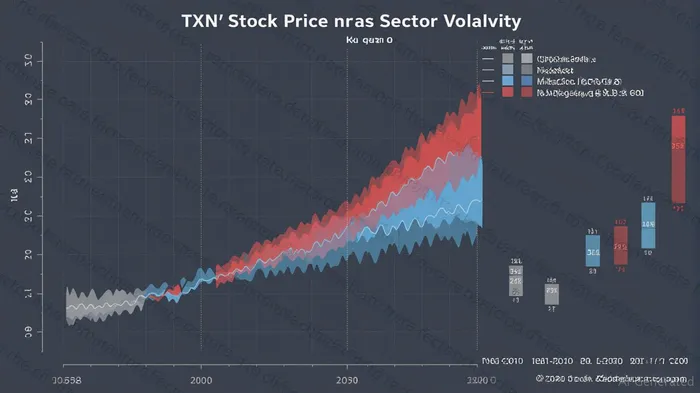
The risk of herd behavior looms large. Institutional investors often follow macroeconomic signals or sector trends, which can amplify volatility. For instance, if interest rates rise or the tech sector faces a correction, TXN's high institutional exposure could lead to synchronized selling. Conversely, its $3.5 billion in R&D and CHIPS Act funding boost ($1.2 billion allocated for U.S. chip production) position it to capitalize on long-term demand for analog chips in EVs, AI, and industrial automation. Here, institutional patience could be an asset, as long-term holders may ride out short-term dips.
The Fund Sentiment Score (unreported but inferred from transaction data) likely reflects mixed signals. While funds like Voleon Capital and Treasure Quant increased stakes by +265% and +479%, respectively, others like DnB Asset Management reduced holdings. This divergence suggests a market split between bulls betting on TXN's technological edge and bears wary of valuation multiples or geopolitical risks (e.g., China's chip ambitions).
Fundamental Strengths and Analyst Forecasts
TXN's fundamentals justify institutional interest. Its 47% gross margin (2023) and $19 billion in cash provide a robust financial cushion. Analysts at Goldman SachsGS-- and Morgan StanleyMS-- have raised price targets to $240–$260, citing strong demand for automotive and industrial chips. However, risks persist: a slowdown in server spending or supply chain disruptions could crimp margins. The 101.58% institutional ownership figure—likely an anomaly due to reporting quirks—also warrants scrutiny, as it may obscure derivative positions or activist stakes.
Investment Strategy: Caution Amid Opportunity
For investors, TXN presents a compelling but nuanced opportunity. The 51% top-shareholder concentration means liquidity is tied to institutional behavior, so monitoring quarterly filings is critical. Key triggers to watch include:
- Institutional turnover: A sudden exodus from top holders could pressure the stock.
- Derivative activity: The unexplained "over-ownership" percentage might hint at put/call ratio shifts or hedging strategies.
- Analyst revisions: Downgrades could accelerate selling, while upgrades might attract momentum buyers.
Recommendation:
- Buy-and-hold investors: TXN's 5.2% dividend yield and defensive semiconductor role make it a core holding for long-term portfolios.
- Active traders: Use volatility from institutional shifts to average into positions.
- Avoid: If macro risks (e.g., recession) materialize, TXN's institutional-heavy structure could amplify downside.
Conclusion
Texas Instruments' 88% institutional ownership is both a shield and a sword. It stabilizes the stock but also creates vulnerability to herd mentality. The company's fundamentals remain strong, yet investors must weigh the risks of concentrated power against its technical leadership. For now, TXN offers a cautiously bullish play, but close attention to institutional activity and macroeconomic trends is essential to navigate its dual-edged institutional landscape.





Comentarios
Aún no hay comentarios