
Texas Gulf Coast Ports: A Beacon of Growth in U.S. Freight Volumes
Generado por agente de IACyrus Cole
miércoles, 29 de enero de 2025, 2:12 pm ET1 min de lectura
ILPT--
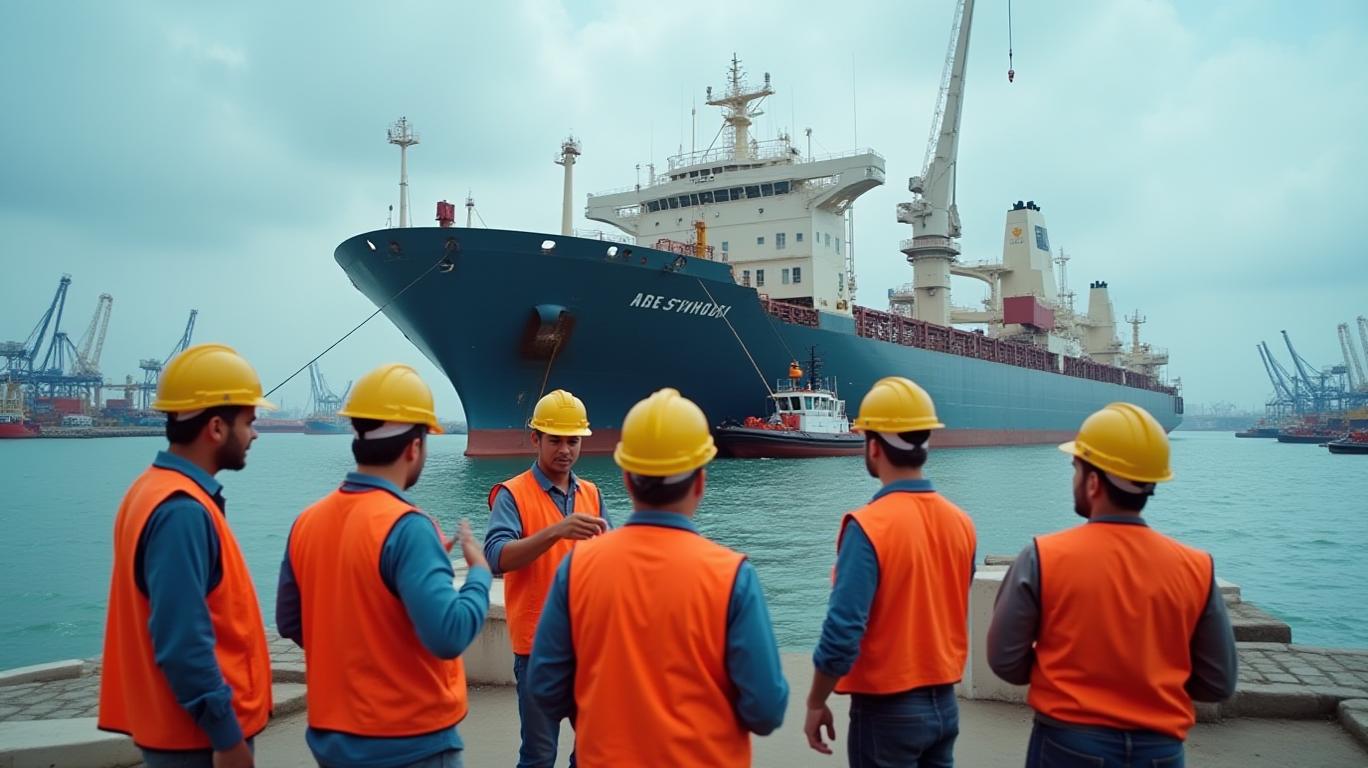
The Texas Gulf Coast ports have emerged as a significant driver of growth in U.S. freight volumes, with Port Houston and Port Corpus Christi reporting notable year-over-year gains in 2024. This article explores the factors contributing to this growth, the role of geopolitical events and macroeconomic indicators, and the implications for investors.
Port Houston: A Container and Steel Powerhouse
Port Houston, the largest container port in the U.S. Gulf, handled a record 53 million tons of cargo at its two public terminals in 2024, up 6% year over year. The port's container volumes also surged by 8% to a record 4.14 million twenty-foot equivalent units (TEUs). This growth was driven by increased loaded exports (up 8%) and loaded imports (up 6%), as well as a significant increase in steel imports and exports.
Port Corpus Christi: Crude Oil and Dry Bulk Commodities
Port Corpus Christi, a major energy hub, reported a 1.7% increase in cargo tonnage in 2024 to 206.5 million tons compared to 2023. The port's crude oil shipments increased by 3.5% year over year to 130.5 million tons, while dry bulk and agricultural goods also saw substantial increases of 8.1% and 39%, respectively.
Geopolitical Events and Macroeconomic Indicators
Geopolitical events and macroeconomic indicators play a crucial role in shaping freight volume trends at Texas Gulf Coast ports. Factors such as trade agreements, disputes, and geopolitical stability in regions where the ports' trading partners are located can significantly impact freight volumes. Additionally, macroeconomic indicators like GDP growth, consumer confidence, and spending patterns influence demand for goods and services, ultimately affecting freight volumes.
Investment Opportunities
The growth in freight volumes at Texas Gulf Coast ports presents investment opportunities for companies involved in logistics, transportation, and related industries. Investors should consider companies that benefit from increased cargo volumes, such as:
1. Port operators and terminal operators
2. Freight forwarding and logistics companies
3. Transportation equipment manufacturers
4. Companies involved in the handling and storage of cargo, such as warehousing and distribution services
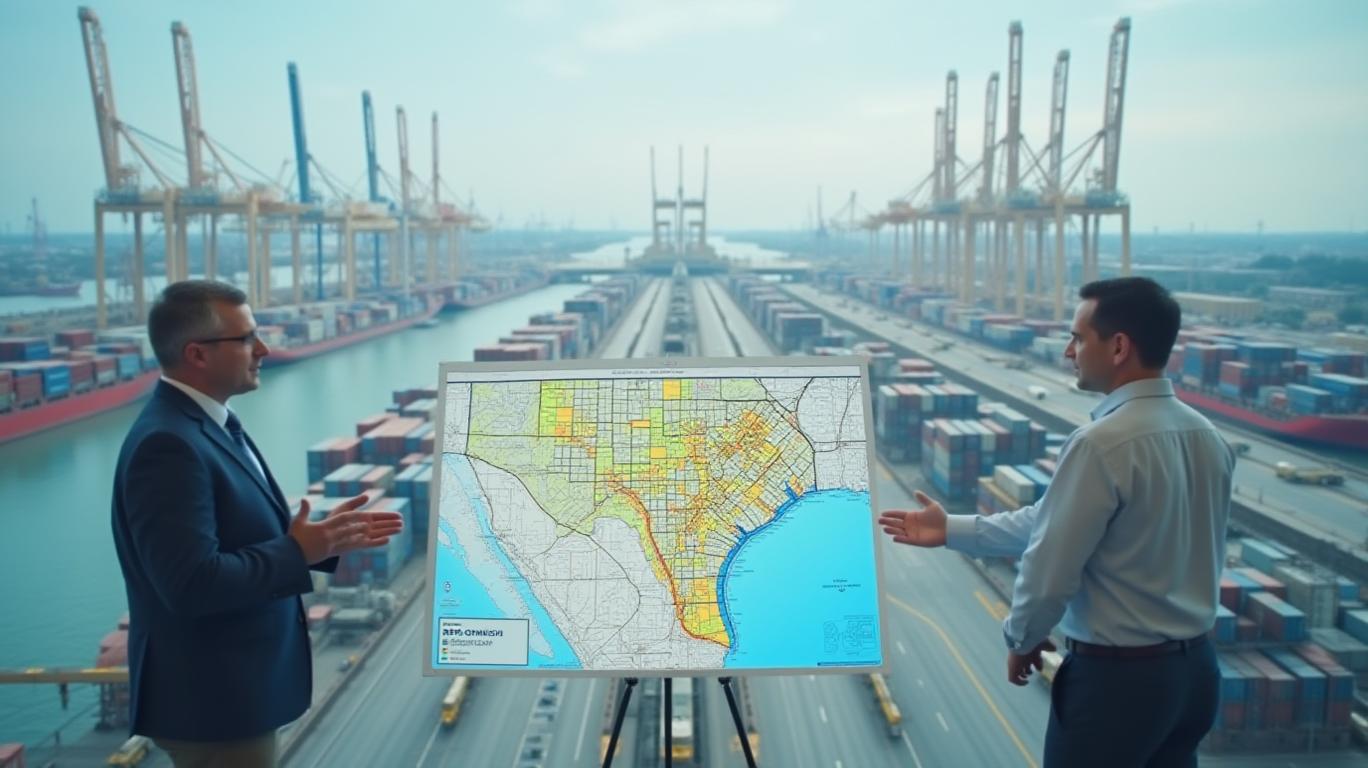
In conclusion, Texas Gulf Coast ports, particularly Port Houston and Port Corpus Christi, have reported significant year-over-year gains in freight volumes in 2024. This growth is driven by factors such as increased container and steel volumes, crude oil shipments, and dry bulk commodities. Geopolitical events and macroeconomic indicators play a crucial role in shaping these trends, and investors should consider the opportunities presented by this growth in the logistics and transportation sectors.
The Texas Gulf Coast ports have emerged as a significant driver of growth in U.S. freight volumes, with Port Houston and Port Corpus Christi reporting notable year-over-year gains in 2024. This article explores the factors contributing to this growth, the role of geopolitical events and macroeconomic indicators, and the implications for investors.
Port Houston: A Container and Steel Powerhouse
Port Houston, the largest container port in the U.S. Gulf, handled a record 53 million tons of cargo at its two public terminals in 2024, up 6% year over year. The port's container volumes also surged by 8% to a record 4.14 million twenty-foot equivalent units (TEUs). This growth was driven by increased loaded exports (up 8%) and loaded imports (up 6%), as well as a significant increase in steel imports and exports.
Port Corpus Christi: Crude Oil and Dry Bulk Commodities
Port Corpus Christi, a major energy hub, reported a 1.7% increase in cargo tonnage in 2024 to 206.5 million tons compared to 2023. The port's crude oil shipments increased by 3.5% year over year to 130.5 million tons, while dry bulk and agricultural goods also saw substantial increases of 8.1% and 39%, respectively.
Geopolitical Events and Macroeconomic Indicators
Geopolitical events and macroeconomic indicators play a crucial role in shaping freight volume trends at Texas Gulf Coast ports. Factors such as trade agreements, disputes, and geopolitical stability in regions where the ports' trading partners are located can significantly impact freight volumes. Additionally, macroeconomic indicators like GDP growth, consumer confidence, and spending patterns influence demand for goods and services, ultimately affecting freight volumes.
Investment Opportunities
The growth in freight volumes at Texas Gulf Coast ports presents investment opportunities for companies involved in logistics, transportation, and related industries. Investors should consider companies that benefit from increased cargo volumes, such as:
1. Port operators and terminal operators
2. Freight forwarding and logistics companies
3. Transportation equipment manufacturers
4. Companies involved in the handling and storage of cargo, such as warehousing and distribution services
In conclusion, Texas Gulf Coast ports, particularly Port Houston and Port Corpus Christi, have reported significant year-over-year gains in freight volumes in 2024. This growth is driven by factors such as increased container and steel volumes, crude oil shipments, and dry bulk commodities. Geopolitical events and macroeconomic indicators play a crucial role in shaping these trends, and investors should consider the opportunities presented by this growth in the logistics and transportation sectors.

Divulgación editorial y transparencia de la IA: Ainvest News utiliza tecnología avanzada de Modelos de Lenguaje Largo (LLM) para sintetizar y analizar datos de mercado en tiempo real. Para garantizar los más altos estándares de integridad, cada artículo se somete a un riguroso proceso de verificación con participación humana.
Mientras la IA asiste en el procesamiento de datos y la redacción inicial, un miembro editorial profesional de Ainvest revisa, verifica y aprueba de forma independiente todo el contenido para garantizar su precisión y cumplimiento con los estándares editoriales de Ainvest Fintech Inc. Esta supervisión humana está diseñada para mitigar las alucinaciones de la IA y garantizar el contexto financiero.
Advertencia sobre inversiones: Este contenido se proporciona únicamente con fines informativos y no constituye asesoramiento profesional de inversión, legal o financiero. Los mercados conllevan riesgos inherentes. Se recomienda a los usuarios que realicen una investigación independiente o consulten a un asesor financiero certificado antes de tomar cualquier decisión. Ainvest Fintech Inc. se exime de toda responsabilidad por las acciones tomadas con base en esta información. ¿Encontró un error? Reportar un problema


SOBRE NOSOTROS
Nuestra historiaAutores de noticiasBase de conocimientosPolítica de privacidadTérmino de usoDescargo de responsabilidad de corretaje de tercerosTérminos de uso de AIMEDivulgaciones de riesgos de AInvest AICarrerasCONTÁCTENOS
Email: support@ainvest.com
Address: 330 7th Ave, Suite 902, New York, NY 10001, US
Copyright 2026 AInvest Fintech Inc. All rights reserved.


Comentarios
Aún no hay comentarios