
Teva Pharmaceutical's Strategic Reinvention: A Value-Driven Investment Amid Generic Drug Sector Headwinds
In the evolving landscape of the generic pharmaceuticals sector, Teva Pharmaceutical IndustriesTEVA-- (NYSE:TEVA) has emerged as a compelling case study in strategic reinvention. Amid intensifying competition and margin pressures, the company's "Pivot to Growth" strategy-launched in 2023-has positioned it to navigate sector headwinds while capitalizing on high-value therapeutic opportunities. Truist Securities' reaffirmation of a "Buy" rating with a $25 price target underscores this trajectory, citing Teva's progress in expanding its innovative medicines division and its disciplined cost-reduction initiatives.
Industry Challenges and Teva's Strategic Response
The generic drug sector in 2025 faces a dual challenge: a patent cliff unlocking over $200 billion in branded drug sales, which has intensified price competition and eroded margins as noted by DrugPatentWatch, and regulatory shifts like the U.S. Inflation Reduction Act (IRA), which further compress pricing flexibility, according to AJMC. For TevaTEVA--, these pressures have necessitated a strategic pivot from low-margin generics to complex formulations, biosimilars, and specialty therapies. CEO Richard Francis has emphasized a focus on "high-value growth drivers," including long-acting injectables (LAI) for schizophrenia, migraine treatments like AJOVY, and Tardive Dyskinesia therapies such as AUSTEDO, a point highlighted in Truist's coverage.
This shift aligns with broader industry trends. As noted by DrugPatentWatch, manufacturers are increasingly prioritizing complex generics and biosimilars to create differentiation and sustain profitability. Teva's Olanzapine LAI, for instance, has demonstrated a favorable safety profile with over 4,000 injections administered without cases of Post-Injection Delirium/Sedation Syndrome-a critical differentiator in a crowded schizophrenia treatment market, a detail referenced in Truist's analysis. Such innovations not only bolster Teva's specialty portfolio but also provide a buffer against the commoditization of its generics business.
Financial Performance and Analyst Confidence
Teva's strategic repositioning is already translating into tangible results. In Q2 2025, its innovative medicines division grew by 27%, partially offsetting a slight decline in the generics segment, as Truist noted. The company's Q3 2024 revenue surged 15% to $4.33 billion, driven by strong sales of UZEDY, AJOVY, and AUSTEDO, according to a Reuters report. Truist Securities highlighted these figures as evidence of Teva's ability to balance cost discipline with growth, particularly as it targets $700 million in savings by 2027 through workforce reductions and operational streamlining, a plan discussed in industry analyses.
Analysts have also pointed to Teva's pipeline as a key catalyst. Products like Duvakitug, a potential blockbuster for inflammatory bowel disease, and its generic Saxenda launch-a GLP-1 drug for weight loss-position the company to capture emerging market opportunities, an outlook emphasized by DrugPatentWatch. Truist's $25 price target, consistent since its May 2025 coverage initiation, reflects confidence in these growth drivers, despite a current average analyst price target of $23.15 and a range of $18 to $30 noted in market commentary.
Risks and the Path Forward
While Teva's strategy is promising, risks remain. The company's reliance on a handful of specialty drugs-such as AUSTEDO (peak sales projected at $3 billion) and AJOVY ($2 billion)-leaves it vulnerable to clinical or commercial setbacks, a risk the Truist coverage highlights. Additionally, the generics segment, which still accounts for a significant portion of revenue, faces ongoing margin compression. However, Teva's gross profit margin of 49.6% and its disciplined portfolio rationalization (e.g., discontinuing unprofitable products, as reported by Reuters) suggest a commitment to maintaining financial resilience.
For value-driven investors, Teva's combination of cost efficiency, innovation, and strategic clarity offers a compelling narrative. As the generic drug sector grapples with systemic challenges, Teva's pivot toward high-value therapies and its ability to leverage its generics business as a cash engine for R&D provide a roadmap for sustainable growth. Truist Securities' repeated "Buy" ratings and the broader industry's shift toward complexity and innovation further validate this approach.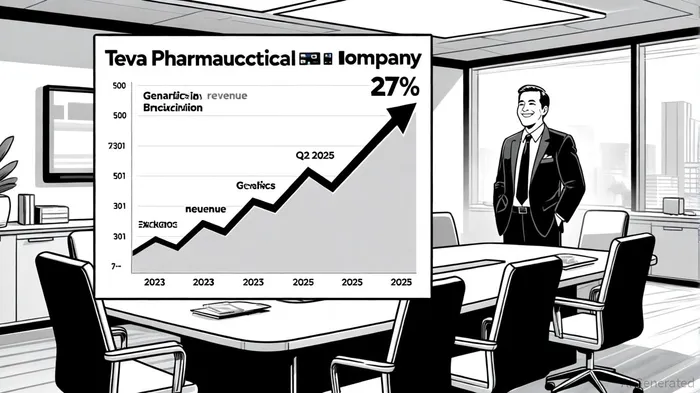





Comentarios
Aún no hay comentarios