
Tether's Farmland Play: How USDT is Becoming the Stablecoin of Real Assets
The cryptocurrency market has long been dominated by speculative assets, but Tether—until recently synonymous with fiat-backed stablecoins—is now making a bold pivot into the tangible world. By acquiring a 70% stake in AdecoagroAGRO-- S.A. (NYSE: AGRO), Tether has signaled its ambition to transform USDT into a gateway for investors seeking exposure to agricultural commodities, renewable energy, and tokenized real-world assets (RWAs). This move isn't just about diversifying reserves; it's a strategic play to anchor blockchain technology in physical infrastructure, offering a compelling thesis for risk-aware investors.
The Strategic Rationale: Bridging Blockchain and Agriculture
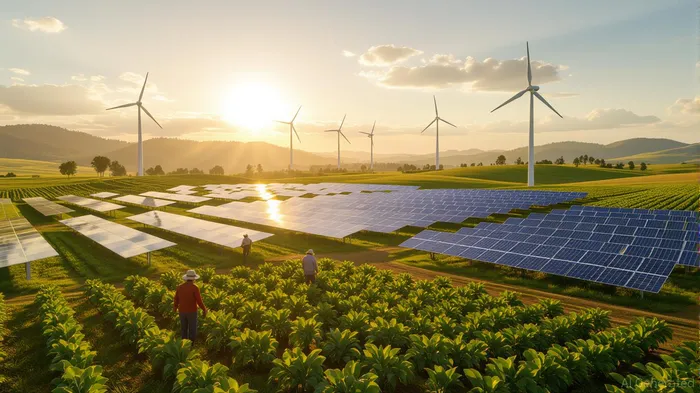
Tether's April 2025 acquisition of Adecoagro, a leader in sustainable agribusiness and renewable energy, is no accident. Adecoagro operates over 200,000 hectares of farmlandFPI-- and generates 1 million MWh of renewable energy annually, primarily in Brazil and Argentina. Pairing this with Tether's $100+ billion in reserves and blockchain expertise creates a unique synergy:
- Energy Arbitrage via Bitcoin Mining: The July 2025 Memorandum of Understanding (MoU) between Tether and Adecoagro aims to deploy surplus renewable energy for Bitcoin mining. This not only monetizes underutilized capacity but also aligns with Tether's vision of “mining as infrastructure.” The Mining OS platform, developed by Tether, will manage these operations, potentially turning farmland into hybrid energy farms and crypto mining hubs.
- Land as a Reserve Asset: Agricultural land has historically been a hedge against inflation and economic volatility. By integrating farmland into its RWA ecosystem, Tether can diversify USDT's backing beyond traditional fiat reserves, appealing to institutional investors seeking stablecoins with tangible collateral.
- Tokenization Blueprint: While no “AgroToken” has been officially announced, the partnership hints at future steps to tokenize farmland leases, energy credits, or commodity yields. Tether's collaboration with Zanzibar's ZanMalipo platform—which integrates stablecoins like USDT and XAUT (gold-backed)—suggests a path to fractional ownership of physical assets via blockchain.
Note: The stock's jump after Tether's tender offer (April 25) reflects market optimism about the partnership's potential.
Implied Opportunities: Commodity-Backed Stablecoins and Cross-Border Liquidity
The agricultural sector is ripe for disruption. Global farmland values have surged over 15% annually since 2020, driven by climate risks, food security demands, and ESG investing trends. Tether's move positions USDT at the intersection of this growth and blockchain innovation:
- Stablecoin 2.0: A USDT variant backed by farmland leases or energy production could attract investors seeking yield without cryptocurrency volatility. Imagine earning interest on USDT-AGRO, a tokenized stake in Adecoagro's operations.
- Decentralized Trade Finance: Tokenized agricultural commodities (e.g., soybeans, sugar) could streamline cross-border transactions, reducing reliance on opaque derivative markets. Tether's infrastructure could become the backbone of this system.
- Emerging Markets Exposure: Adecoagro's presence in Latin America offers Tether a foothold in regions where dollarization is high, but access to modern financial tools is limited. USDT could serve as a bridge currency for farmers and SMEs.
Risk-Adjusted Returns: Balancing Innovation with Pragmatism
Every opportunity carries risk. Tether's pivot faces three key challenges:
- Regulatory Scrutiny: Tokenizing farmland or energy assets may invite questions about compliance with securities laws. The SEC's stance on RWA-backed stablecoins remains unclear, though Tether's emphasis on “collateral transparency” could mitigate this.
- Commodity Price Volatility: Agricultural commodities are subject to weather, trade policies, and geopolitical shifts. A farmland-backed USDT variant would need robust hedging mechanisms to maintain stability.
- Execution Risks: Scaling Bitcoin mining on farmland requires infrastructure investment and grid coordination. The July 2025 MoU is a pilot—success hinges on proving this model's profitability.
Investment Thesis: Why Hold USDT (or Related Assets) Now?
For investors, Tether's move creates three actionable angles:
- Core Position in USDT: While the farmland play is speculative, USDT's dominance as the largest stablecoin (70% of the market) remains unchallenged. Its adoption in decentralized finance (DeFi) and cross-border payments ensures steady demand.
- Adecoagro Equity: AGRO's stock could benefit from Tether's capital injection and operational upgrades. The tender offer's 73.9% proration factor (April 25) suggests strong demand for the partnership's vision.
- RWA-Backed Innovation: Monitor Tether's collaboration with ZanMalipo and its Mining OS platform. Early adopters of tokenized farmland or energy credits may capture first-mover advantages as these products launch.
Conclusion: The Future of Money Meets the Future of Farming
Tether's pivot into agriculture isn't just about diversification—it's about redefining what a stablecoin can be. By anchoring USDT to real-world assets like farmland and energy, Tether is positioning itself as the go-to intermediary between blockchain's promise and traditional industries' needs.
Investors should view this as a multi-year play. While risks like regulatory hurdles and execution are real, the long-term thesis is clear: a world where stablecoins aren't just pegged to dollars but to the land itself. For the risk-tolerant, Tether's farmland strategy offers a rare chance to bet on both blockchain innovation and the enduring value of tangible assets.
Final Note: Monitor Adecoagro's June 6, 2025 shareholder meeting for updates on governance and the Bitcoin mining pilot's progress.







Comentarios
Aún no hay comentarios