
Tesla vs. Uber: The Austin Showdown
Generado por agente de IAWesley Park
domingo, 23 de febrero de 2025, 2:00 pm ET2 min de lectura
TSLA--
As the electric vehicle (EV) revolution gains momentum, two heavyweights in the tech and transportation industries are set to face off in Austin, Texas. Tesla (TSLA) and Uber (UBER) are both preparing to launch autonomous ride-hailing services in the city, marking a significant milestone in the adoption of self-driving technology. But who will emerge victorious in this high-stakes showdown?
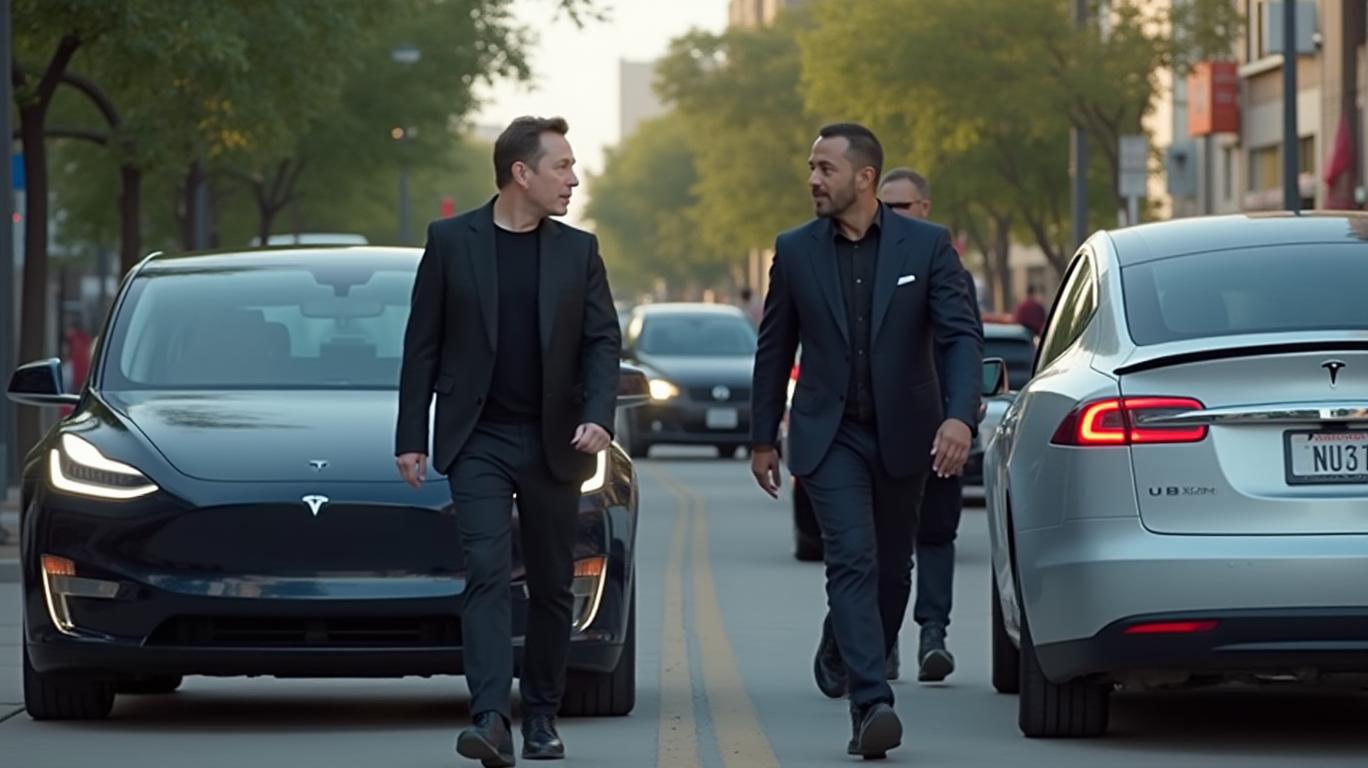
Tesla, the pioneer in EV manufacturing, has already made a significant impact on the Austin economy with its Gigafactory, which employs thousands of workers and has invested billions in the local community. Now, the company is set to launch its first robotaxi service in the city, further cementing its presence in the Lone Star State. Tesla's autonomous ride-hailing service, expected to launch in June 2025, will initially use Tesla-owned vehicles before expanding to include customer-owned Teslas in 2026.
On the other hand, Uber, the ride-hailing giant, is partnering with Waymo, Alphabet's autonomous vehicle unit, to launch its own autonomous ride-hailing service in Austin. The company is expected to launch its service in the city as early as next month, putting it ahead of Tesla in the race to deploy self-driving vehicles on public roads.
As the two companies prepare to launch their respective services, they face a range of challenges and opportunities in the Austin market. Tesla's local production and supply chain advantages, as well as its strong brand recognition and customer loyalty, give it a significant edge in the city. However, Uber's established network of local drivers and partners, as well as its diversified revenue streams, position it to compete effectively with Tesla's robotaxi service.
The regulatory environment in Austin will also play a crucial role in the rollout of both companies' autonomous ride-hailing services. Both Tesla and Uber will need to navigate safety and liability concerns, data privacy and security regulations, and infrastructure and mapping requirements to gain regulatory approval and ensure the success of their services.
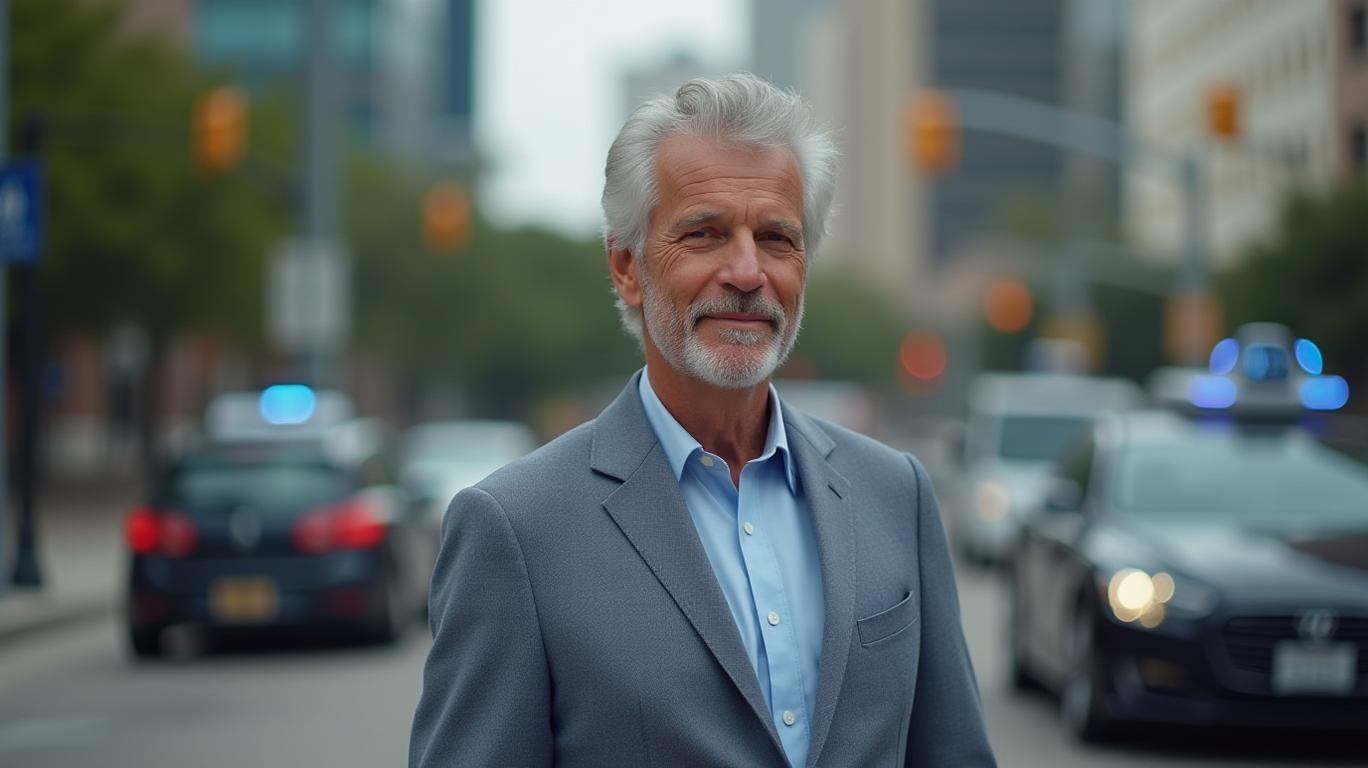
As the Tesla vs. Uber showdown in Austin unfolds, investors and consumers alike will be watching closely to see which company emerges victorious. The outcome of this high-stakes competition will not only shape the future of autonomous ride-hailing in Austin but also set the stage for the broader adoption of self-driving technology across the United States and beyond.
In conclusion, the Tesla vs. Uber showdown in Austin is a battle for the future of autonomous ride-hailing. With both companies bringing their unique strengths and advantages to the table, the outcome of this competition will be a testament to the power of innovation, competition, and the relentless pursuit of progress in the tech and transportation industries. As an investor, I am excited to see how this story unfolds and look forward to the exciting developments that lie ahead in the world of autonomous vehicles.
UBER--
As the electric vehicle (EV) revolution gains momentum, two heavyweights in the tech and transportation industries are set to face off in Austin, Texas. Tesla (TSLA) and Uber (UBER) are both preparing to launch autonomous ride-hailing services in the city, marking a significant milestone in the adoption of self-driving technology. But who will emerge victorious in this high-stakes showdown?
Tesla, the pioneer in EV manufacturing, has already made a significant impact on the Austin economy with its Gigafactory, which employs thousands of workers and has invested billions in the local community. Now, the company is set to launch its first robotaxi service in the city, further cementing its presence in the Lone Star State. Tesla's autonomous ride-hailing service, expected to launch in June 2025, will initially use Tesla-owned vehicles before expanding to include customer-owned Teslas in 2026.
On the other hand, Uber, the ride-hailing giant, is partnering with Waymo, Alphabet's autonomous vehicle unit, to launch its own autonomous ride-hailing service in Austin. The company is expected to launch its service in the city as early as next month, putting it ahead of Tesla in the race to deploy self-driving vehicles on public roads.
As the two companies prepare to launch their respective services, they face a range of challenges and opportunities in the Austin market. Tesla's local production and supply chain advantages, as well as its strong brand recognition and customer loyalty, give it a significant edge in the city. However, Uber's established network of local drivers and partners, as well as its diversified revenue streams, position it to compete effectively with Tesla's robotaxi service.
The regulatory environment in Austin will also play a crucial role in the rollout of both companies' autonomous ride-hailing services. Both Tesla and Uber will need to navigate safety and liability concerns, data privacy and security regulations, and infrastructure and mapping requirements to gain regulatory approval and ensure the success of their services.
As the Tesla vs. Uber showdown in Austin unfolds, investors and consumers alike will be watching closely to see which company emerges victorious. The outcome of this high-stakes competition will not only shape the future of autonomous ride-hailing in Austin but also set the stage for the broader adoption of self-driving technology across the United States and beyond.
In conclusion, the Tesla vs. Uber showdown in Austin is a battle for the future of autonomous ride-hailing. With both companies bringing their unique strengths and advantages to the table, the outcome of this competition will be a testament to the power of innovation, competition, and the relentless pursuit of progress in the tech and transportation industries. As an investor, I am excited to see how this story unfolds and look forward to the exciting developments that lie ahead in the world of autonomous vehicles.

Divulgación editorial y transparencia de la IA: Ainvest News utiliza tecnología avanzada de Modelos de Lenguaje Largo (LLM) para sintetizar y analizar datos de mercado en tiempo real. Para garantizar los más altos estándares de integridad, cada artículo se somete a un riguroso proceso de verificación con participación humana.
Mientras la IA asiste en el procesamiento de datos y la redacción inicial, un miembro editorial profesional de Ainvest revisa, verifica y aprueba de forma independiente todo el contenido para garantizar su precisión y cumplimiento con los estándares editoriales de Ainvest Fintech Inc. Esta supervisión humana está diseñada para mitigar las alucinaciones de la IA y garantizar el contexto financiero.
Advertencia sobre inversiones: Este contenido se proporciona únicamente con fines informativos y no constituye asesoramiento profesional de inversión, legal o financiero. Los mercados conllevan riesgos inherentes. Se recomienda a los usuarios que realicen una investigación independiente o consulten a un asesor financiero certificado antes de tomar cualquier decisión. Ainvest Fintech Inc. se exime de toda responsabilidad por las acciones tomadas con base en esta información. ¿Encontró un error? Reportar un problema




Comentarios
Aún no hay comentarios