
Tesla's Tumble: A $354 Billion Loss and a Bleak Future
Generado por agente de IAWesley Park
lunes, 3 de marzo de 2025, 4:49 am ET1 min de lectura
ROST--
As the calendar turned to 2025, TeslaTSLA-- (TSLA) investors found themselves in a world of pain, watching their investments plummet by nearly 23%. The electric vehicle (EV) pioneer's stock price decline wiped out a staggering $354 billion in investor wealth in just two months. RossROST-- Gerber, president and CEO of Gerber Kawasaki Wealth & Investment, summed up the grim reality: "It's only going to get worse." What happened to the once-revered EV giant, and what does the future hold for its investors?
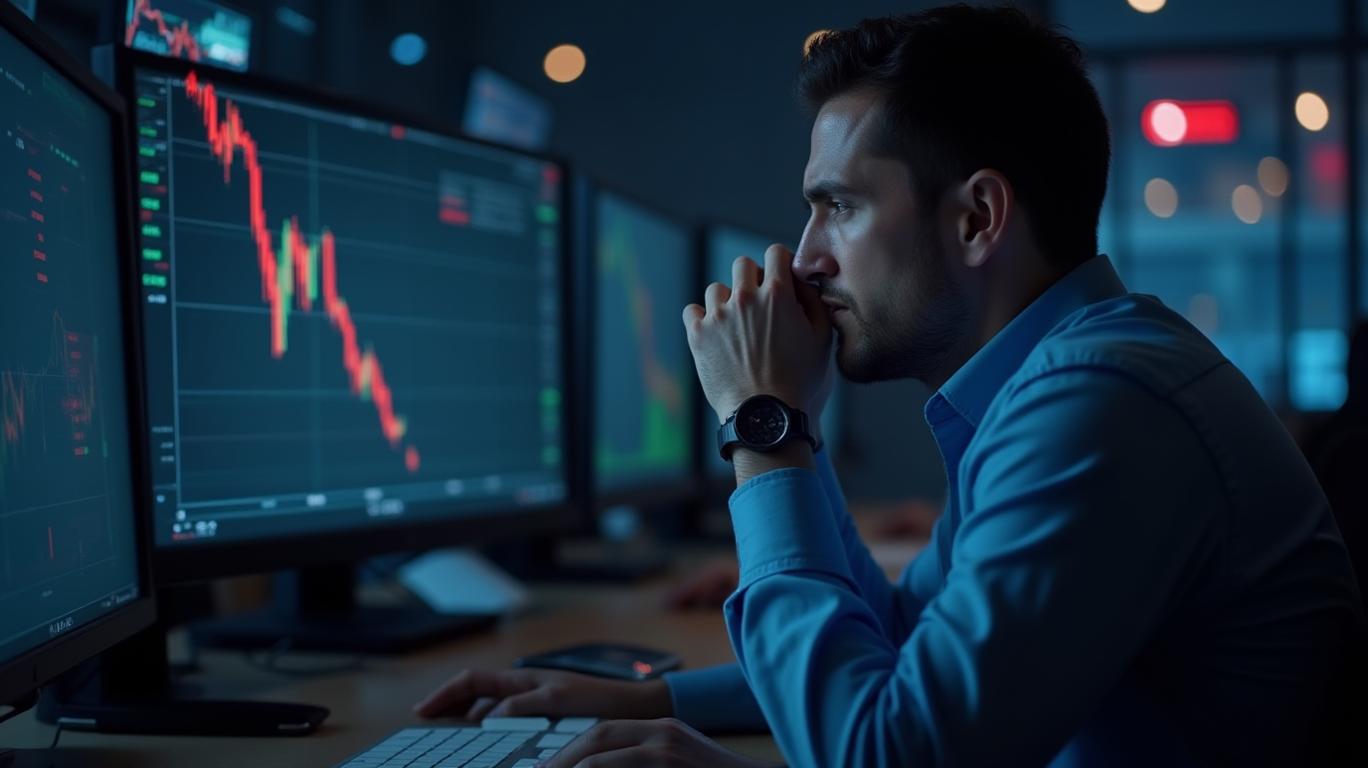
Tesla's descent into the abyss can be attributed to a perfect storm of factors, both internal and external. The company's sales have been declining in key markets, with European sales plummeting by 45% year over year in January 2025. This decline, coupled with a 13% YoY drop in U.S. sales and a 15% decrease in China, has directly impacted Tesla's revenue and profitability. Macroeconomic factors, such as rising interest rates and inflationary pressures, have also contributed to the stock's downward trajectory, as have financial performance concerns and increased competition from other automakers.
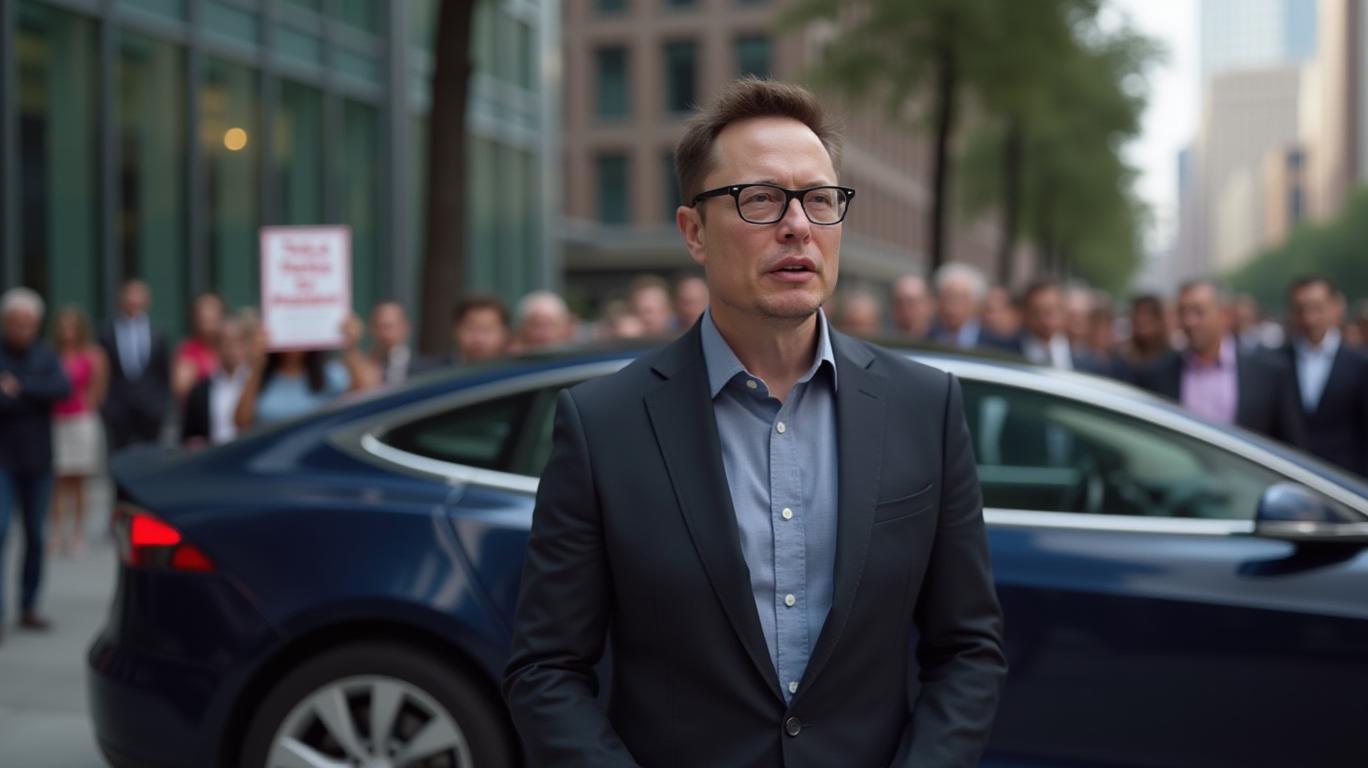
Elon Musk's controversial political engagements and statements have further damaged Tesla's brand image and sales. The CEO's vocal support for far-right political parties and his role in the Department of Government Efficiency (DOGE) have raised concerns among investors and consumers, with 49% of Americans holding negative views of Musk. This political involvement, combined with the company's declining sales and market share, has led analysts to question Tesla's future prospects.
Despite these challenges, some analysts remain optimistic about Tesla's future, citing potential regulatory support for autonomous driving and upcoming vehicle launches as possible catalysts for recovery. However, the company must address its declining sales, leadership controversies, and heightened competition to improve its long-term prospects.
In conclusion, Tesla's tumble in 2025 has been a wake-up call for investors, highlighting the risks associated with relying too heavily on a single company or sector. As the EV market becomes increasingly competitive, Tesla must adapt to maintain its market share and profitability. Investors should remain vigilant and diversify their portfolios to mitigate the impact of future market fluctuations.
TSLA--
As the calendar turned to 2025, TeslaTSLA-- (TSLA) investors found themselves in a world of pain, watching their investments plummet by nearly 23%. The electric vehicle (EV) pioneer's stock price decline wiped out a staggering $354 billion in investor wealth in just two months. RossROST-- Gerber, president and CEO of Gerber Kawasaki Wealth & Investment, summed up the grim reality: "It's only going to get worse." What happened to the once-revered EV giant, and what does the future hold for its investors?
Tesla's descent into the abyss can be attributed to a perfect storm of factors, both internal and external. The company's sales have been declining in key markets, with European sales plummeting by 45% year over year in January 2025. This decline, coupled with a 13% YoY drop in U.S. sales and a 15% decrease in China, has directly impacted Tesla's revenue and profitability. Macroeconomic factors, such as rising interest rates and inflationary pressures, have also contributed to the stock's downward trajectory, as have financial performance concerns and increased competition from other automakers.
Elon Musk's controversial political engagements and statements have further damaged Tesla's brand image and sales. The CEO's vocal support for far-right political parties and his role in the Department of Government Efficiency (DOGE) have raised concerns among investors and consumers, with 49% of Americans holding negative views of Musk. This political involvement, combined with the company's declining sales and market share, has led analysts to question Tesla's future prospects.
Despite these challenges, some analysts remain optimistic about Tesla's future, citing potential regulatory support for autonomous driving and upcoming vehicle launches as possible catalysts for recovery. However, the company must address its declining sales, leadership controversies, and heightened competition to improve its long-term prospects.
In conclusion, Tesla's tumble in 2025 has been a wake-up call for investors, highlighting the risks associated with relying too heavily on a single company or sector. As the EV market becomes increasingly competitive, Tesla must adapt to maintain its market share and profitability. Investors should remain vigilant and diversify their portfolios to mitigate the impact of future market fluctuations.

Divulgación editorial y transparencia de la IA: Ainvest News utiliza tecnología avanzada de Modelos de Lenguaje Largo (LLM) para sintetizar y analizar datos de mercado en tiempo real. Para garantizar los más altos estándares de integridad, cada artículo se somete a un riguroso proceso de verificación con participación humana.
Mientras la IA asiste en el procesamiento de datos y la redacción inicial, un miembro editorial profesional de Ainvest revisa, verifica y aprueba de forma independiente todo el contenido para garantizar su precisión y cumplimiento con los estándares editoriales de Ainvest Fintech Inc. Esta supervisión humana está diseñada para mitigar las alucinaciones de la IA y garantizar el contexto financiero.
Advertencia sobre inversiones: Este contenido se proporciona únicamente con fines informativos y no constituye asesoramiento profesional de inversión, legal o financiero. Los mercados conllevan riesgos inherentes. Se recomienda a los usuarios que realicen una investigación independiente o consulten a un asesor financiero certificado antes de tomar cualquier decisión. Ainvest Fintech Inc. se exime de toda responsabilidad por las acciones tomadas con base en esta información. ¿Encontró un error? Reportar un problema




Comentarios
Aún no hay comentarios