
Tesla Trade-Ins Surge as Political Backlash Hits Brand
Generado por agente de IAWesley Park
domingo, 23 de marzo de 2025, 2:28 am ET3 min de lectura
TSLA--
Ladies and gentlemen, buckle up! We're diving headfirst into the electric vehicle market, where TeslaTSLA-- is facing a storm of political backlash that's sending trade-ins through the roof. This isn't just a blip on the radar; it's a full-blown crisis that's shaking the foundations of the EV giant. Let's break it down and see what's really going on.
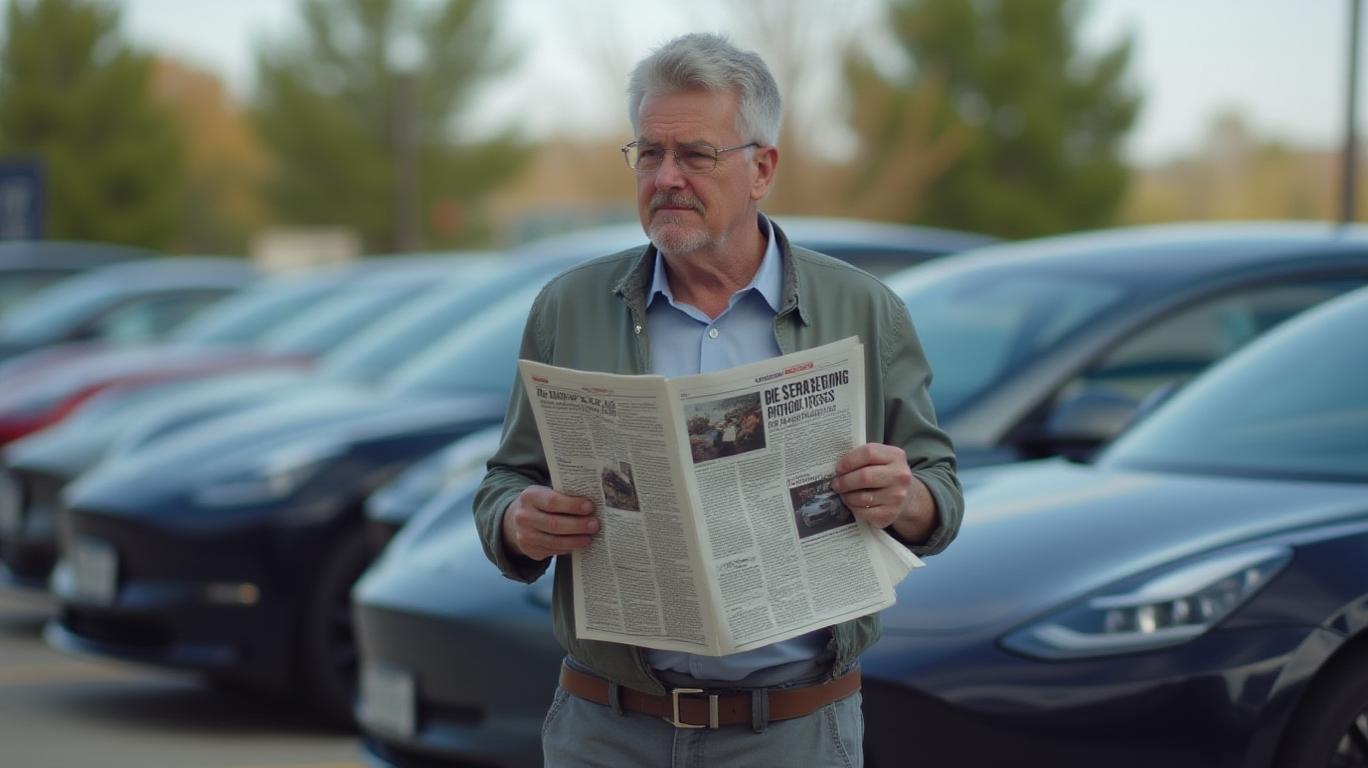
First things first, let's talk about the elephant in the room: Elon Musk's political involvement. Since Musk made his high-profile move to Washington to support President Donald Trump, Tesla shares have plummeted by nearly 40 percent over the past six weeks. This isn't just a minor setback; it's a full-blown crisis that's sending shockwaves through the market. Consumers are exercising caution over Musk’s decision to switch gears from entrepreneur to partisan political player, and it's showing in the numbers.
In Germany, Tesla sales plunged 76 percent, while other major EV markets like Norway, Denmark, and France registered drops of almost 50 percent. This isn't just a European problem; in California, the largest US market for EVs, sales have fallen for the fifth consecutive quarter. The writing is on the wall: Musk's political choices are taking a toll on Tesla's market performance.
But the damage doesn't stop at sales. Tesla owners are trading in their electric vehicles at record levels, with March representing "the highest ever share" Edmunds had seen for Tesla trade-ins toward new or used cars from dealerships selling other brands. This shift in consumer sentiment is creating new sales opportunities for competitors, and legacy automakers and EV startups are ready to pounce.
So, what's next for Tesla? The company is facing a bumpy road ahead in an increasingly competitive market, with experts suggesting that it has been hit by a fall in brand sentiment. But all hope is not lost. Tesla can implement several strategies to mitigate the negative impact of political backlash on its sales and brand image.
First, Tesla needs to diversify its brand messaging. Focus on innovation, sustainability, and technological advancement, rather than associating itself too closely with political figures. Emphasize the environmental benefits and cutting-edge technology of its vehicles to appeal to a broader audience.
Second, engage in corporate social responsibility (CSR) initiatives. Increase involvement in environmental conservation, community development, and social welfare programs. This can help to improve its brand image and show that the company is committed to more than just profits.
Third, enhance the customer experience. Offer better after-sales service, more convenient charging options, and innovative features. This can help to build customer loyalty and reduce the impact of political backlash.
Fourth, launch new products. Accelerate the launch of new products, such as the revamped Model Y, to generate excitement and attract new customers. This can help to shift the focus away from political controversies and towards the company's innovative offerings.
Fifth, address political controversies directly. Issue statements or hold press conferences to clarify its position and reassure customers. This can help to mitigate the negative impact of political backlash and show that the company is transparent and accountable.
Sixth, expand into new markets. Focus on expanding into new markets, particularly in regions where political backlash is less of a concern. This can help to diversify its customer base and reduce its reliance on any single market.
Seventh, improve public relations. Engage with the media, influencers, and industry experts to promote its brand and address any negative perceptions. This can help to build a more positive image and counteract the impact of political backlash.
Eighth, offer competitive pricing. Offer competitive pricing for its vehicles to attract price-sensitive customers and compete with rivals like Volkswagen and Chinese EV makers. This can help to mitigate the impact of political backlash by making its vehicles more accessible to a wider range of customers.
Ninth, focus on innovation. Continue to focus on innovation and invest in research and development to stay ahead of the competition. This can help to differentiate its brand and attract customers who value cutting-edge technology and innovation.
Tenth, engage with customers. Engage with its customers more directly through social media, customer feedback, and community events. This can help to build a stronger connection with customers and address any concerns or issues they may have.
In conclusion, Tesla can implement a range of strategies to mitigate the negative impact of political backlash on its sales and brand image. By focusing on innovation, customer experience, and corporate social responsibility, Tesla can build a more positive image and attract a broader range of customers. However, the effectiveness of these strategies will depend on the specific market conditions and the extent to which political backlash continues to impact the company.
Ladies and gentlemen, buckle up! We're diving headfirst into the electric vehicle market, where TeslaTSLA-- is facing a storm of political backlash that's sending trade-ins through the roof. This isn't just a blip on the radar; it's a full-blown crisis that's shaking the foundations of the EV giant. Let's break it down and see what's really going on.
First things first, let's talk about the elephant in the room: Elon Musk's political involvement. Since Musk made his high-profile move to Washington to support President Donald Trump, Tesla shares have plummeted by nearly 40 percent over the past six weeks. This isn't just a minor setback; it's a full-blown crisis that's sending shockwaves through the market. Consumers are exercising caution over Musk’s decision to switch gears from entrepreneur to partisan political player, and it's showing in the numbers.
In Germany, Tesla sales plunged 76 percent, while other major EV markets like Norway, Denmark, and France registered drops of almost 50 percent. This isn't just a European problem; in California, the largest US market for EVs, sales have fallen for the fifth consecutive quarter. The writing is on the wall: Musk's political choices are taking a toll on Tesla's market performance.
But the damage doesn't stop at sales. Tesla owners are trading in their electric vehicles at record levels, with March representing "the highest ever share" Edmunds had seen for Tesla trade-ins toward new or used cars from dealerships selling other brands. This shift in consumer sentiment is creating new sales opportunities for competitors, and legacy automakers and EV startups are ready to pounce.
So, what's next for Tesla? The company is facing a bumpy road ahead in an increasingly competitive market, with experts suggesting that it has been hit by a fall in brand sentiment. But all hope is not lost. Tesla can implement several strategies to mitigate the negative impact of political backlash on its sales and brand image.
First, Tesla needs to diversify its brand messaging. Focus on innovation, sustainability, and technological advancement, rather than associating itself too closely with political figures. Emphasize the environmental benefits and cutting-edge technology of its vehicles to appeal to a broader audience.
Second, engage in corporate social responsibility (CSR) initiatives. Increase involvement in environmental conservation, community development, and social welfare programs. This can help to improve its brand image and show that the company is committed to more than just profits.
Third, enhance the customer experience. Offer better after-sales service, more convenient charging options, and innovative features. This can help to build customer loyalty and reduce the impact of political backlash.
Fourth, launch new products. Accelerate the launch of new products, such as the revamped Model Y, to generate excitement and attract new customers. This can help to shift the focus away from political controversies and towards the company's innovative offerings.
Fifth, address political controversies directly. Issue statements or hold press conferences to clarify its position and reassure customers. This can help to mitigate the negative impact of political backlash and show that the company is transparent and accountable.
Sixth, expand into new markets. Focus on expanding into new markets, particularly in regions where political backlash is less of a concern. This can help to diversify its customer base and reduce its reliance on any single market.
Seventh, improve public relations. Engage with the media, influencers, and industry experts to promote its brand and address any negative perceptions. This can help to build a more positive image and counteract the impact of political backlash.
Eighth, offer competitive pricing. Offer competitive pricing for its vehicles to attract price-sensitive customers and compete with rivals like Volkswagen and Chinese EV makers. This can help to mitigate the impact of political backlash by making its vehicles more accessible to a wider range of customers.
Ninth, focus on innovation. Continue to focus on innovation and invest in research and development to stay ahead of the competition. This can help to differentiate its brand and attract customers who value cutting-edge technology and innovation.
Tenth, engage with customers. Engage with its customers more directly through social media, customer feedback, and community events. This can help to build a stronger connection with customers and address any concerns or issues they may have.
In conclusion, Tesla can implement a range of strategies to mitigate the negative impact of political backlash on its sales and brand image. By focusing on innovation, customer experience, and corporate social responsibility, Tesla can build a more positive image and attract a broader range of customers. However, the effectiveness of these strategies will depend on the specific market conditions and the extent to which political backlash continues to impact the company.

Divulgación editorial y transparencia de la IA: Ainvest News utiliza tecnología avanzada de Modelos de Lenguaje Largo (LLM) para sintetizar y analizar datos de mercado en tiempo real. Para garantizar los más altos estándares de integridad, cada artículo se somete a un riguroso proceso de verificación con participación humana.
Mientras la IA asiste en el procesamiento de datos y la redacción inicial, un miembro editorial profesional de Ainvest revisa, verifica y aprueba de forma independiente todo el contenido para garantizar su precisión y cumplimiento con los estándares editoriales de Ainvest Fintech Inc. Esta supervisión humana está diseñada para mitigar las alucinaciones de la IA y garantizar el contexto financiero.
Advertencia sobre inversiones: Este contenido se proporciona únicamente con fines informativos y no constituye asesoramiento profesional de inversión, legal o financiero. Los mercados conllevan riesgos inherentes. Se recomienda a los usuarios que realicen una investigación independiente o consulten a un asesor financiero certificado antes de tomar cualquier decisión. Ainvest Fintech Inc. se exime de toda responsabilidad por las acciones tomadas con base en esta información. ¿Encontró un error? Reportar un problema


SOBRE NOSOTROS
Nuestra historiaAutores de noticiasBase de conocimientosPolítica de privacidadTérmino de usoDescargo de responsabilidad de corretaje de tercerosTérminos de uso de AIMEDivulgaciones de riesgos de AInvest AICarrerasCONTÁCTENOS
Email: support@ainvest.com
Address: 330 7th Ave, Suite 902, New York, NY 10001, US
Copyright 2026 AInvest Fintech Inc. All rights reserved.


Comentarios
Aún no hay comentarios