
Tesla Stock Slides: What's Behind the Drop?
Generado por agente de IAWesley Park
martes, 4 de marzo de 2025, 7:04 pm ET1 min de lectura
TSLA--
Tesla (TSLA) shares have been on a rollercoaster ride lately, with the stock losing about a third of its value since the start of 2025. As an investor, you might be wondering what's behind this recent decline. Let's dive into the factors contributing to Tesla's stock price drop and explore how the company is addressing these challenges.
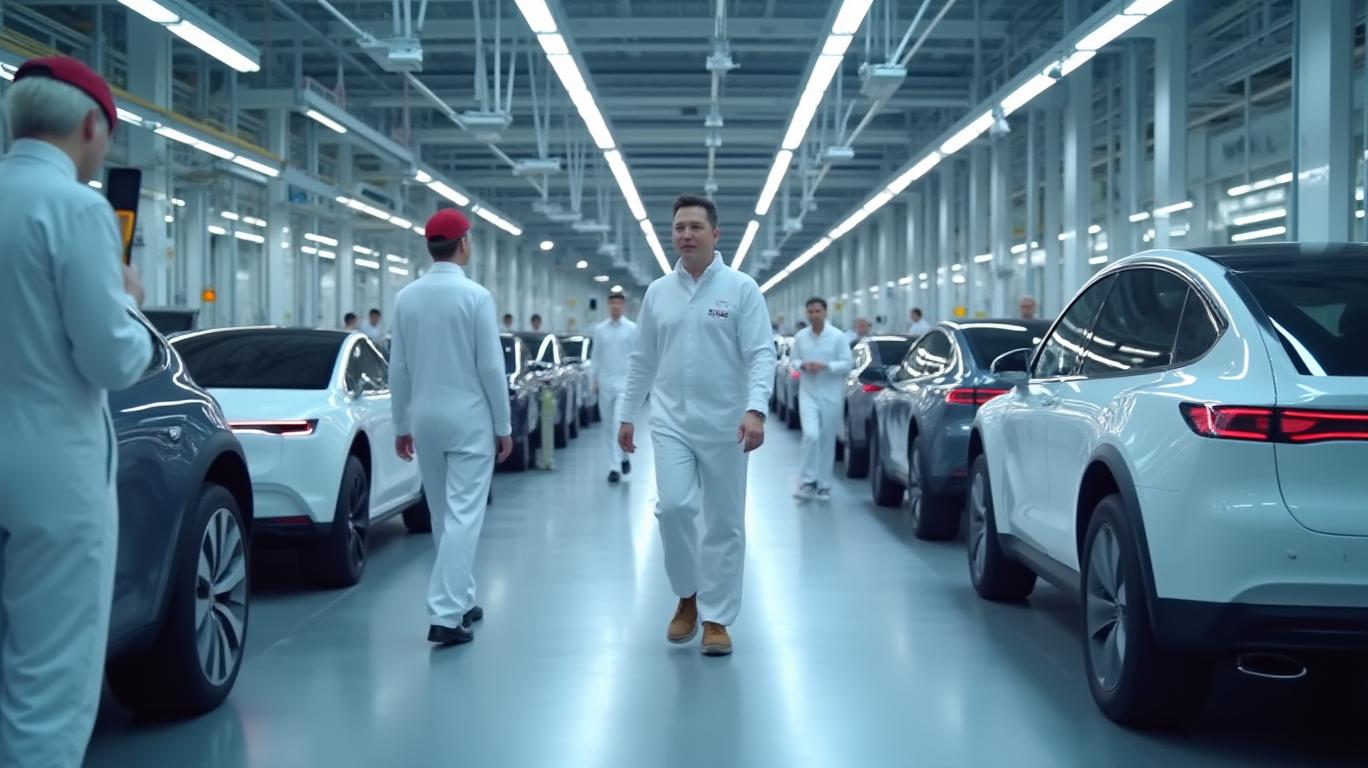
1. Weak Chinese Sales: Tesla's wholesale shipments from its Shanghai factory have taken a significant hit. In February 2025, the company delivered just 30,688 vehicles, down 49% year-over-year from last February's 60,172 vehicles. This decline in sales in the critical Chinese market has put pressure on the stock. To combat this, TeslaTSLA-- is focusing on improving its customer experience and expanding its charging infrastructure in China.
2. Declining European Sales: Tesla's retail sales have been cratering across Europe, despite growth in the broader EV market. In January 2025, sales were down 45% year-over-year, and new data for February from Nordic countries show a similar pattern, with sales down 42% in Sweden and 48% in Denmark. This decline in sales in Europe, where Tesla once enjoyed early dominance, has also contributed to the stock's decline. To maintain its market share, Tesla is introducing new models and variants, such as the Model Y compact SUV, to cater to a broader range of customers.
3. Increased Competition: Tesla is facing increased competition from both new EV startups and legacy car makers from Europe and Japan. This increased competition has eroded Tesla's early dominance in the EV market, leading to slower growth and putting pressure on the stock. To maintain its competitive edge, Tesla is investing heavily in research and development, focusing on areas such as autonomous driving, battery technology, and AI.
4. Tariffs and Regulatory Challenges: The Trump administration's tariffs on Canada and Mexico, which went into effect on February 15, 2025, pose significant risk to North American automakers, including Tesla. These tariffs could impact Tesla's supply chain and increase production costs, further pressuring the stock. Additionally, Tesla is facing regulatory challenges related to its self-driving technology and production processes. To navigate these challenges, Tesla is working closely with regulatory bodies and investing in technologies that will help it maintain its competitive advantage.
In conclusion, Tesla's stock price decline is the result of a combination of factors, including weak Chinese sales, declining European sales, increased competition, and regulatory challenges. However, the company is taking steps to address these challenges and maintain its competitive edge in the EV market. As an investor, it's essential to stay informed about these developments and consider the long-term potential of the company when making investment decisions.
Tesla (TSLA) shares have been on a rollercoaster ride lately, with the stock losing about a third of its value since the start of 2025. As an investor, you might be wondering what's behind this recent decline. Let's dive into the factors contributing to Tesla's stock price drop and explore how the company is addressing these challenges.
1. Weak Chinese Sales: Tesla's wholesale shipments from its Shanghai factory have taken a significant hit. In February 2025, the company delivered just 30,688 vehicles, down 49% year-over-year from last February's 60,172 vehicles. This decline in sales in the critical Chinese market has put pressure on the stock. To combat this, TeslaTSLA-- is focusing on improving its customer experience and expanding its charging infrastructure in China.
2. Declining European Sales: Tesla's retail sales have been cratering across Europe, despite growth in the broader EV market. In January 2025, sales were down 45% year-over-year, and new data for February from Nordic countries show a similar pattern, with sales down 42% in Sweden and 48% in Denmark. This decline in sales in Europe, where Tesla once enjoyed early dominance, has also contributed to the stock's decline. To maintain its market share, Tesla is introducing new models and variants, such as the Model Y compact SUV, to cater to a broader range of customers.
3. Increased Competition: Tesla is facing increased competition from both new EV startups and legacy car makers from Europe and Japan. This increased competition has eroded Tesla's early dominance in the EV market, leading to slower growth and putting pressure on the stock. To maintain its competitive edge, Tesla is investing heavily in research and development, focusing on areas such as autonomous driving, battery technology, and AI.
4. Tariffs and Regulatory Challenges: The Trump administration's tariffs on Canada and Mexico, which went into effect on February 15, 2025, pose significant risk to North American automakers, including Tesla. These tariffs could impact Tesla's supply chain and increase production costs, further pressuring the stock. Additionally, Tesla is facing regulatory challenges related to its self-driving technology and production processes. To navigate these challenges, Tesla is working closely with regulatory bodies and investing in technologies that will help it maintain its competitive advantage.
In conclusion, Tesla's stock price decline is the result of a combination of factors, including weak Chinese sales, declining European sales, increased competition, and regulatory challenges. However, the company is taking steps to address these challenges and maintain its competitive edge in the EV market. As an investor, it's essential to stay informed about these developments and consider the long-term potential of the company when making investment decisions.

Divulgación editorial y transparencia de la IA: Ainvest News utiliza tecnología avanzada de Modelos de Lenguaje Largo (LLM) para sintetizar y analizar datos de mercado en tiempo real. Para garantizar los más altos estándares de integridad, cada artículo se somete a un riguroso proceso de verificación con participación humana.
Mientras la IA asiste en el procesamiento de datos y la redacción inicial, un miembro editorial profesional de Ainvest revisa, verifica y aprueba de forma independiente todo el contenido para garantizar su precisión y cumplimiento con los estándares editoriales de Ainvest Fintech Inc. Esta supervisión humana está diseñada para mitigar las alucinaciones de la IA y garantizar el contexto financiero.
Advertencia sobre inversiones: Este contenido se proporciona únicamente con fines informativos y no constituye asesoramiento profesional de inversión, legal o financiero. Los mercados conllevan riesgos inherentes. Se recomienda a los usuarios que realicen una investigación independiente o consulten a un asesor financiero certificado antes de tomar cualquier decisión. Ainvest Fintech Inc. se exime de toda responsabilidad por las acciones tomadas con base en esta información. ¿Encontró un error? Reportar un problema




Comentarios
Aún no hay comentarios