
Tesla Stock Down 13% in 2025: A Long-Term Buy?
Generado por agente de IAWesley Park
miércoles, 12 de febrero de 2025, 6:50 pm ET2 min de lectura
TSLA--
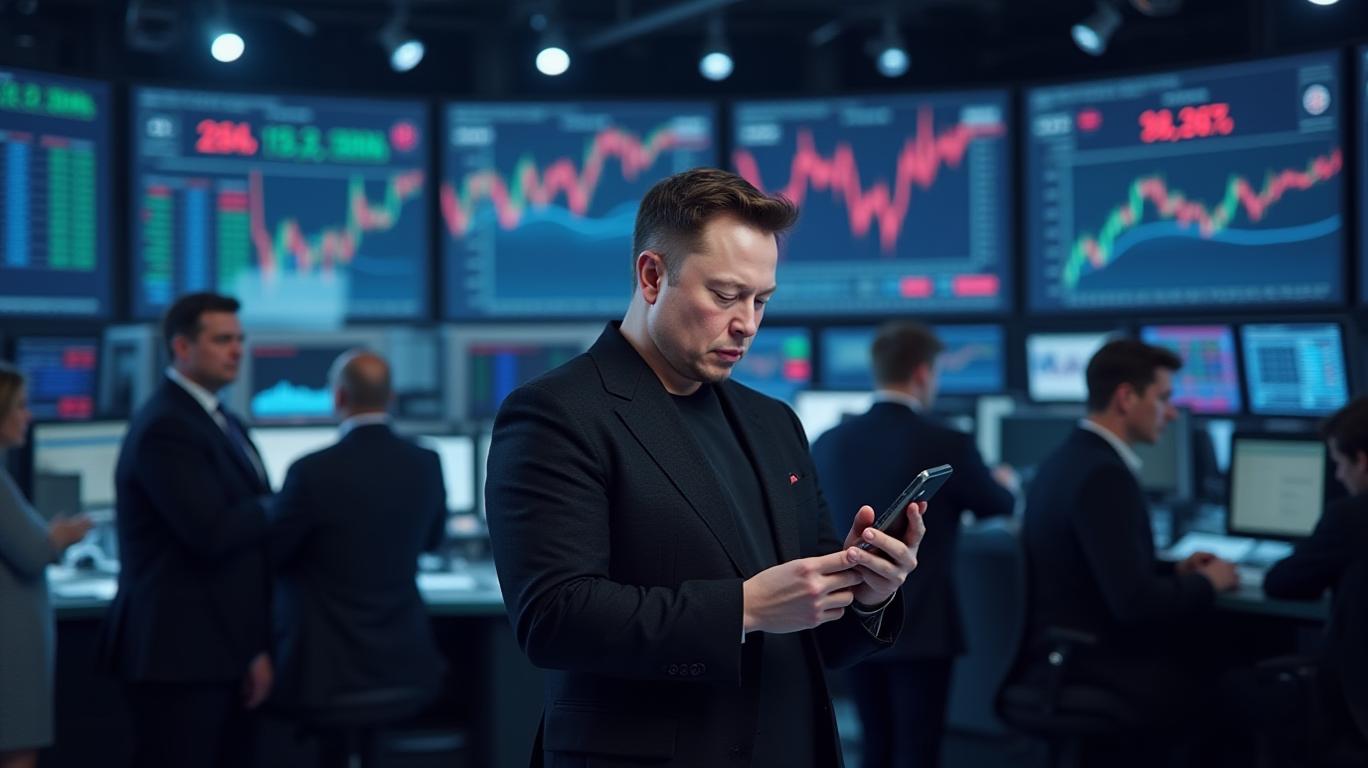
As of February 10, 2025, Tesla (TSLA) stock has taken a breather, down 13% year-to-date. This dip has investors wondering if the electric vehicle (EV) giant is still a long-term buy. Let's dive into the factors contributing to this decline and explore the potential for Tesla's long-term growth.
Factors Contributing to Tesla's Decline in 2025
1. Market Anticipation and Disappointment: The market had high expectations for Tesla to build on its late 2024 rally, but the stock struggled to maintain its price above the $400 support mark. This anticipation and subsequent disappointment may have contributed to the stock's decline.
2. Regulatory Hurdles: Tesla faces regulatory challenges, such as the National Highway Traffic Safety Administration (NHTSA) investigation into Tesla vehicles with the "Smart Summon" feature. These regulatory issues can negatively impact the company's reputation and sales, potentially affecting the stock's long-term performance.
3. Competition from the Chinese Market: Q4 deliveries fell short of consensus analyst estimates, which could be attributed to increased competition from Chinese EV manufacturers. This competition may continue to impact Tesla's market share and stock performance in the long run.
4. Valuation Concerns: Tesla's stock valuation is high, with a price-to-earnings-to-growth (PEG) ratio of 19. Some analysts are skeptical about the company's ability to satisfy its current valuation, which could lead to a correction in the stock price.
5. Economic Fluctuations: Higher interest rates and inflationary pressures can make cars less affordable, hurting demand for Tesla's premium electric vehicles. These macroeconomic factors may continue to impact Tesla's sales and stock performance.
6. Political Meddling: Musk's political meddling may slow sales further, as some consumers may be hesitant to purchase a vehicle from a company with a controversial CEO. This could impact the stock's long-term performance.
Tesla's Long-Term Growth Prospects
Despite the recent decline, Tesla's long-term growth prospects remain strong. The company's leadership in AI and autonomous driving technology is expected to drive its growth and valuation in the coming years. However, the company must overcome technical, regulatory, consumer acceptance, and competitive challenges to fully realize the potential of these innovations.
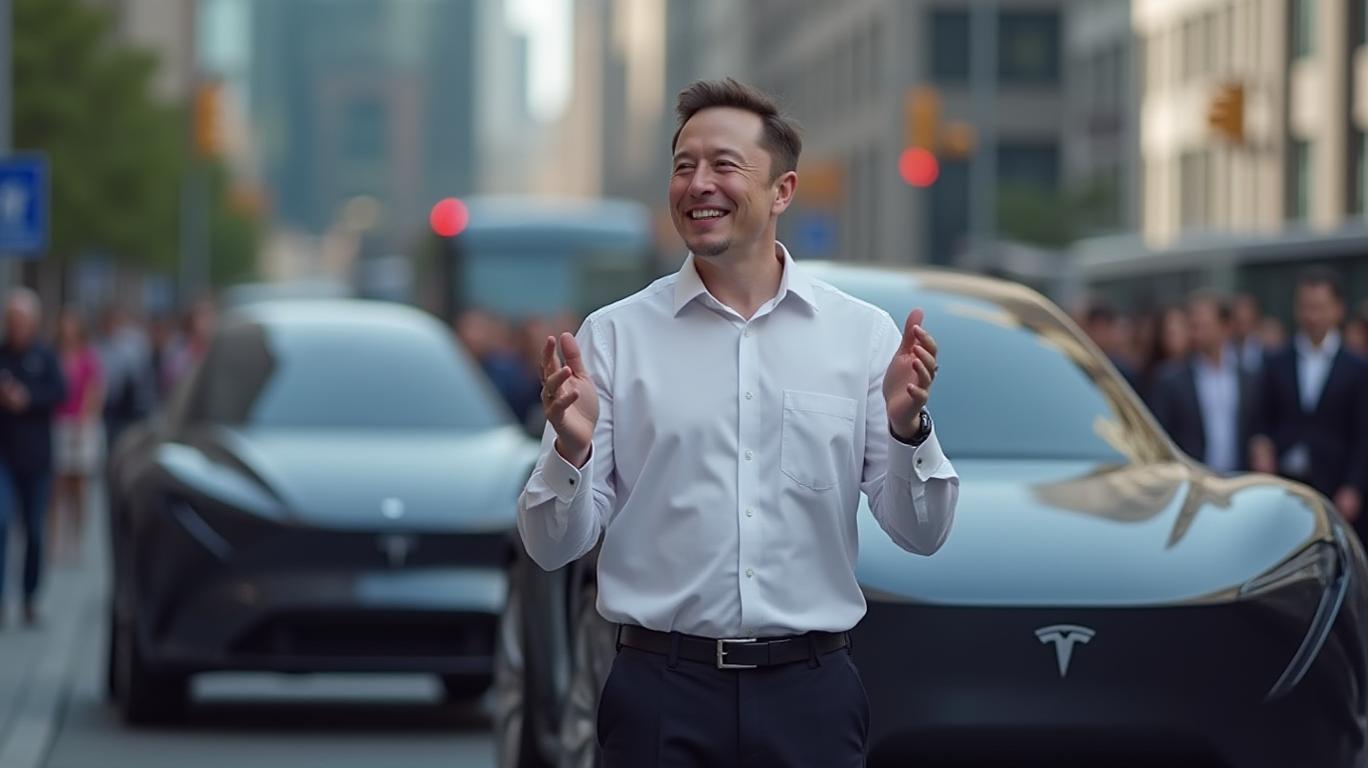
Tesla's high valuation implies that the market has high expectations for the company's long-term growth prospects. To maintain this valuation, Tesla must deliver on its growth expectations by continuing to innovate, expanding its production capacity, and improving its operational efficiency. Additionally, the company must navigate potential challenges, such as increased competition, regulatory hurdles, and supply chain disruptions, to sustain its long-term growth prospects.
In conclusion, Tesla's 13% decline in 2025 is a result of market anticipation and disappointment, regulatory hurdles, competition from the Chinese market, valuation concerns, economic fluctuations, and political meddling. Despite these challenges, Tesla's long-term growth prospects remain strong, driven by its leadership in AI and autonomous driving technology. To maintain its high valuation, Tesla must deliver on its growth expectations and navigate potential challenges. As an investor, it's essential to stay informed about these factors and make informed decisions based on the company's long-term growth prospects.
As of February 10, 2025, Tesla (TSLA) stock has taken a breather, down 13% year-to-date. This dip has investors wondering if the electric vehicle (EV) giant is still a long-term buy. Let's dive into the factors contributing to this decline and explore the potential for Tesla's long-term growth.
Factors Contributing to Tesla's Decline in 2025
1. Market Anticipation and Disappointment: The market had high expectations for Tesla to build on its late 2024 rally, but the stock struggled to maintain its price above the $400 support mark. This anticipation and subsequent disappointment may have contributed to the stock's decline.
2. Regulatory Hurdles: Tesla faces regulatory challenges, such as the National Highway Traffic Safety Administration (NHTSA) investigation into Tesla vehicles with the "Smart Summon" feature. These regulatory issues can negatively impact the company's reputation and sales, potentially affecting the stock's long-term performance.
3. Competition from the Chinese Market: Q4 deliveries fell short of consensus analyst estimates, which could be attributed to increased competition from Chinese EV manufacturers. This competition may continue to impact Tesla's market share and stock performance in the long run.
4. Valuation Concerns: Tesla's stock valuation is high, with a price-to-earnings-to-growth (PEG) ratio of 19. Some analysts are skeptical about the company's ability to satisfy its current valuation, which could lead to a correction in the stock price.
5. Economic Fluctuations: Higher interest rates and inflationary pressures can make cars less affordable, hurting demand for Tesla's premium electric vehicles. These macroeconomic factors may continue to impact Tesla's sales and stock performance.
6. Political Meddling: Musk's political meddling may slow sales further, as some consumers may be hesitant to purchase a vehicle from a company with a controversial CEO. This could impact the stock's long-term performance.
Tesla's Long-Term Growth Prospects
Despite the recent decline, Tesla's long-term growth prospects remain strong. The company's leadership in AI and autonomous driving technology is expected to drive its growth and valuation in the coming years. However, the company must overcome technical, regulatory, consumer acceptance, and competitive challenges to fully realize the potential of these innovations.
Tesla's high valuation implies that the market has high expectations for the company's long-term growth prospects. To maintain this valuation, Tesla must deliver on its growth expectations by continuing to innovate, expanding its production capacity, and improving its operational efficiency. Additionally, the company must navigate potential challenges, such as increased competition, regulatory hurdles, and supply chain disruptions, to sustain its long-term growth prospects.
In conclusion, Tesla's 13% decline in 2025 is a result of market anticipation and disappointment, regulatory hurdles, competition from the Chinese market, valuation concerns, economic fluctuations, and political meddling. Despite these challenges, Tesla's long-term growth prospects remain strong, driven by its leadership in AI and autonomous driving technology. To maintain its high valuation, Tesla must deliver on its growth expectations and navigate potential challenges. As an investor, it's essential to stay informed about these factors and make informed decisions based on the company's long-term growth prospects.

Divulgación editorial y transparencia de la IA: Ainvest News utiliza tecnología avanzada de Modelos de Lenguaje Largo (LLM) para sintetizar y analizar datos de mercado en tiempo real. Para garantizar los más altos estándares de integridad, cada artículo se somete a un riguroso proceso de verificación con participación humana.
Mientras la IA asiste en el procesamiento de datos y la redacción inicial, un miembro editorial profesional de Ainvest revisa, verifica y aprueba de forma independiente todo el contenido para garantizar su precisión y cumplimiento con los estándares editoriales de Ainvest Fintech Inc. Esta supervisión humana está diseñada para mitigar las alucinaciones de la IA y garantizar el contexto financiero.
Advertencia sobre inversiones: Este contenido se proporciona únicamente con fines informativos y no constituye asesoramiento profesional de inversión, legal o financiero. Los mercados conllevan riesgos inherentes. Se recomienda a los usuarios que realicen una investigación independiente o consulten a un asesor financiero certificado antes de tomar cualquier decisión. Ainvest Fintech Inc. se exime de toda responsabilidad por las acciones tomadas con base en esta información. ¿Encontró un error? Reportar un problema


SOBRE NOSOTROS
Nuestra historiaAutores de noticiasBase de conocimientosPolítica de privacidadTérmino de usoDescargo de responsabilidad de corretaje de tercerosTérminos de uso de AIMEDivulgaciones de riesgos de AInvest AICarrerasCONTÁCTENOS
Email: support@ainvest.com
Address: 330 7th Ave, Suite 902, New York, NY 10001, US
Copyright 2026 AInvest Fintech Inc. All rights reserved.


Comentarios
Aún no hay comentarios