
Tesla's Slip: A Blip or a Trend?
Generado por agente de IAWesley Park
jueves, 2 de enero de 2025, 9:31 am ET2 min de lectura
GM--
Tesla (TSLA) shares took a tumble recently after the company reported its first-ever drop in annual deliveries. The electric vehicle (EV) giant delivered 1.79 million vehicles in 2024, a 1.1% decrease from the previous year. This news sent shockwaves through the market, with investors wondering if this is a temporary setback or a sign of things to come.
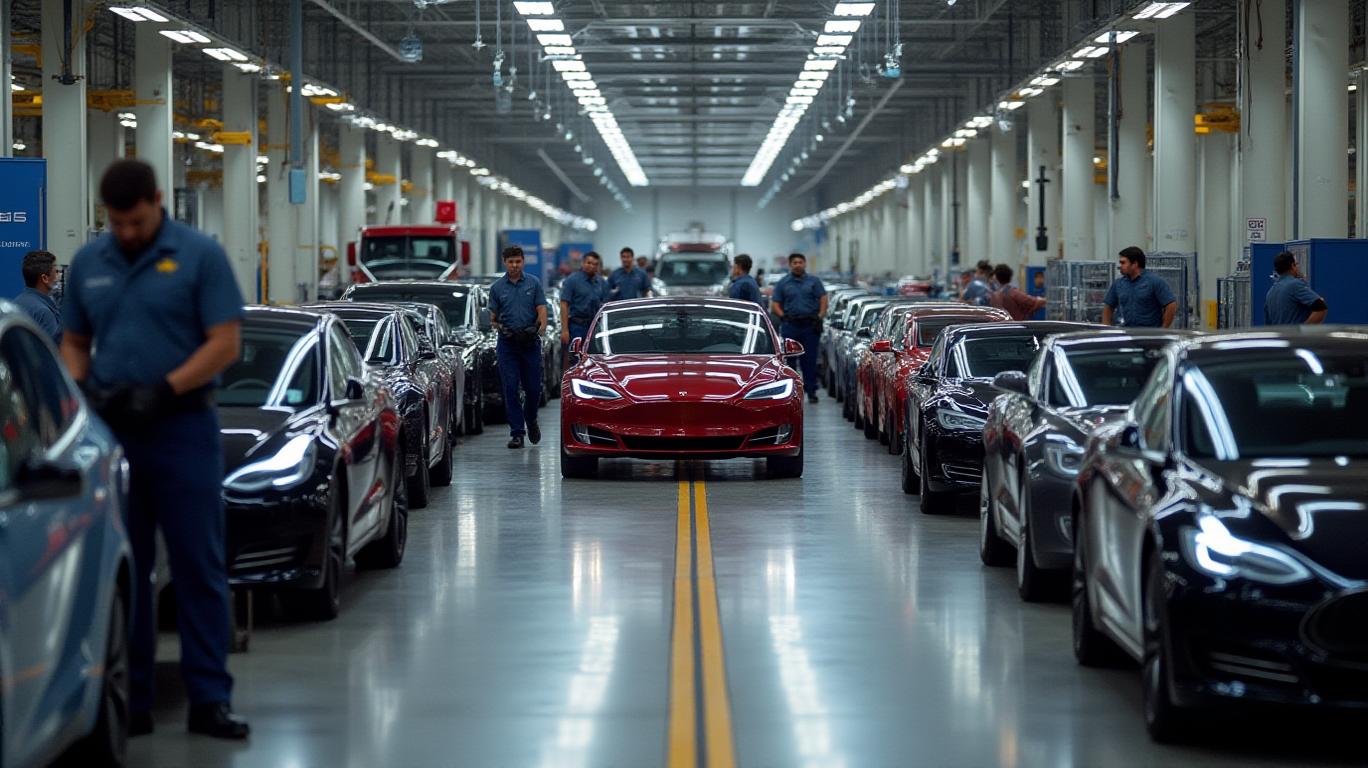
Tesla's delivery numbers have been a key metric for investors, and the recent dip has raised concerns about the company's growth prospects. However, it's essential to put this into context. Tesla is still the world's leading EV manufacturer, with a market share of around 50% (Source: Article 1). The company has faced increasing competition from legacy automakers and other EV startups, which has contributed to the decline in its market share.
One of the primary reasons for the decline in deliveries is the growing competition in the EV market. Legacy automakers, such as General Motors (GM) and Ford (F), have been ramping up their EV offerings, while new players like Rivian (RIVN) and Lucid Motors (LCID) have entered the market with innovative and appealing products. This increased competition has made it more challenging for Tesla to maintain its market share and sales growth.

Another factor contributing to the decline in deliveries is the aging lineup of Tesla's vehicles. The company's Model 3 and Model Y, which account for over 90% of its sales, have been on the market for several years without significant updates. This has led to a slowdown in demand as customers wait for newer, more advanced models. The upcoming Cybertruck, although polarizing, is expected to reignite interest in the brand.
Despite the recent setback, Tesla remains a strong player in the EV market. The company's aggressive pricing strategy, which includes significant discounts and price cuts, has helped it maintain sales momentum. However, this strategy has also led to a decline in auto gross margins, which peaked at 30% in Q4 2021 and have since plunged well below 20% (Source: Bernstein analyst Toni Sacconaghi).
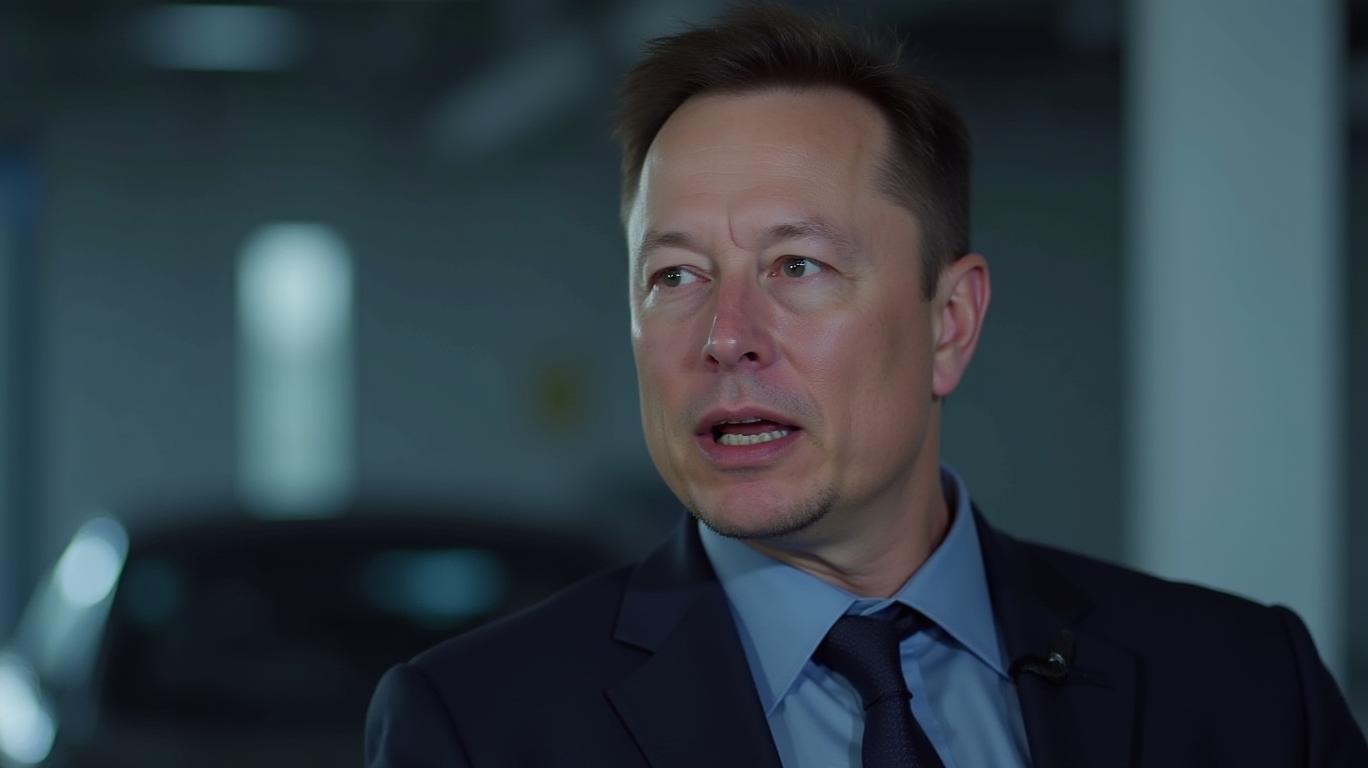
Tesla's cost-cutting measures and operational improvements can help mitigate the impact of lower gross margins in 2024. By optimizing pricing and discounts, improving operational efficiency, expanding into new markets, and investing in technology and innovation, Tesla can work to offset the challenges it may face in the coming year.
In conclusion, Tesla's recent drop in annual deliveries is a cause for concern, but it's essential to view this setback in the context of the broader EV market and the company's long-term prospects. With increasing competition and an aging vehicle lineup, Tesla faces challenges that it must address to maintain its market share and sales growth. However, the company's aggressive pricing strategy and cost-cutting measures can help it navigate these challenges and continue to be a dominant player in the EV market. As an investor, it's crucial to monitor Tesla's progress and assess the potential long-term effects of its pricing strategy on its brand perception and customer loyalty.
TSLA--
Tesla (TSLA) shares took a tumble recently after the company reported its first-ever drop in annual deliveries. The electric vehicle (EV) giant delivered 1.79 million vehicles in 2024, a 1.1% decrease from the previous year. This news sent shockwaves through the market, with investors wondering if this is a temporary setback or a sign of things to come.
Tesla's delivery numbers have been a key metric for investors, and the recent dip has raised concerns about the company's growth prospects. However, it's essential to put this into context. Tesla is still the world's leading EV manufacturer, with a market share of around 50% (Source: Article 1). The company has faced increasing competition from legacy automakers and other EV startups, which has contributed to the decline in its market share.
One of the primary reasons for the decline in deliveries is the growing competition in the EV market. Legacy automakers, such as General Motors (GM) and Ford (F), have been ramping up their EV offerings, while new players like Rivian (RIVN) and Lucid Motors (LCID) have entered the market with innovative and appealing products. This increased competition has made it more challenging for Tesla to maintain its market share and sales growth.
Another factor contributing to the decline in deliveries is the aging lineup of Tesla's vehicles. The company's Model 3 and Model Y, which account for over 90% of its sales, have been on the market for several years without significant updates. This has led to a slowdown in demand as customers wait for newer, more advanced models. The upcoming Cybertruck, although polarizing, is expected to reignite interest in the brand.
Despite the recent setback, Tesla remains a strong player in the EV market. The company's aggressive pricing strategy, which includes significant discounts and price cuts, has helped it maintain sales momentum. However, this strategy has also led to a decline in auto gross margins, which peaked at 30% in Q4 2021 and have since plunged well below 20% (Source: Bernstein analyst Toni Sacconaghi).
Tesla's cost-cutting measures and operational improvements can help mitigate the impact of lower gross margins in 2024. By optimizing pricing and discounts, improving operational efficiency, expanding into new markets, and investing in technology and innovation, Tesla can work to offset the challenges it may face in the coming year.
In conclusion, Tesla's recent drop in annual deliveries is a cause for concern, but it's essential to view this setback in the context of the broader EV market and the company's long-term prospects. With increasing competition and an aging vehicle lineup, Tesla faces challenges that it must address to maintain its market share and sales growth. However, the company's aggressive pricing strategy and cost-cutting measures can help it navigate these challenges and continue to be a dominant player in the EV market. As an investor, it's crucial to monitor Tesla's progress and assess the potential long-term effects of its pricing strategy on its brand perception and customer loyalty.

Divulgación editorial y transparencia de la IA: Ainvest News utiliza tecnología avanzada de Modelos de Lenguaje Largo (LLM) para sintetizar y analizar datos de mercado en tiempo real. Para garantizar los más altos estándares de integridad, cada artículo se somete a un riguroso proceso de verificación con participación humana.
Mientras la IA asiste en el procesamiento de datos y la redacción inicial, un miembro editorial profesional de Ainvest revisa, verifica y aprueba de forma independiente todo el contenido para garantizar su precisión y cumplimiento con los estándares editoriales de Ainvest Fintech Inc. Esta supervisión humana está diseñada para mitigar las alucinaciones de la IA y garantizar el contexto financiero.
Advertencia sobre inversiones: Este contenido se proporciona únicamente con fines informativos y no constituye asesoramiento profesional de inversión, legal o financiero. Los mercados conllevan riesgos inherentes. Se recomienda a los usuarios que realicen una investigación independiente o consulten a un asesor financiero certificado antes de tomar cualquier decisión. Ainvest Fintech Inc. se exime de toda responsabilidad por las acciones tomadas con base en esta información. ¿Encontró un error? Reportar un problema




Comentarios
Aún no hay comentarios