
Tesla shares plummet 4.14% as Q4 EV deliveries drop 16% and competition intensifies
Tesla shares fell 4.14% in pre-market trading on January 7, 2026, signaling investor concerns over recent developments. The decline follows a string of headwinds, including a historic drop in fourth-quarter electric vehicle (EV) deliveries and intensifying competition from rivals like BYD. TeslaTSLA-- reported 418,227 vehicles delivered in Q4, a 16% year-over-year decline, marking the second consecutive year of shrinking sales. This brought 2025 full-year deliveries to 1.63 million, an 8.5% drop compared to 2024.
Market share erosion in key regions such as Europe and China has further pressured the stock. Tesla’s European EV share fell to 1.7% in 2025 from 2.4%, as budget-friendly alternatives like BYD’s Dolphin Surf gained traction. Meanwhile, U.S. EV market share dipped below 40% for the first time in eight years, with competitors capitalizing on Tesla’s waning pricing power and regulatory uncertainties. Analysts highlight that the expiration of U.S. federal EV tax credits and shifting consumer preferences have compounded challenges for the automaker.
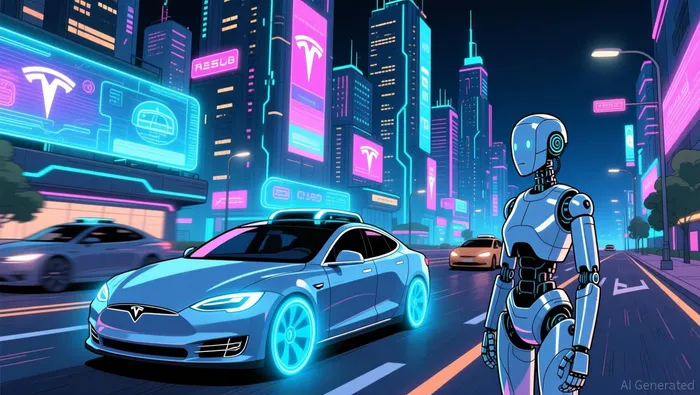
Investor sentiment is also weighed down by the delayed commercialization of high-visibility projects like the Cybercab and Optimus humanoid robot. While these ventures could unlock trillions in long-term value, their current unavailability leaves Tesla reliant on a declining core EV business. The stock’s elevated valuation—trading at a price-to-earnings ratio of 292—heightens downside risks if near-term financial performance fails to meet expectations. With no immediate revenue streams to offset weak EV sales, the stock remains vulnerable to further volatility in 2026.
Despite the bearish near-term outlook, Tesla’s long-term potential continues to attract speculation. Analysts project that a successful rollout of the Cybercab, capable of providing scalable autonomous ride-hailing services, could represent a multi-billion-dollar revenue stream. However, these optimistic forecasts remain speculative, and the stock's current performance reflects the lack of tangible progress on these projects. Meanwhile, investors are closely watching for any signs of stabilization in EV production and pricing strategies.
With the stock already having fallen more than 60% from its peak in mid-2024, many are questioning whether the selloff has bottomed or if further declines are likely. Analysts caution that until Tesla can demonstrate a consistent path to profitability or deliver on its high-stakes innovation promises, the stock will remain a high-risk, high-reward proposition for investors.







Comentarios
Aún no hay comentarios