
Tesla Seeks Ride-Hailing Access at Bay Area Airports
PorAinvest
martes, 9 de septiembre de 2025, 2:20 pm ET2 min de lectura
TSLA--
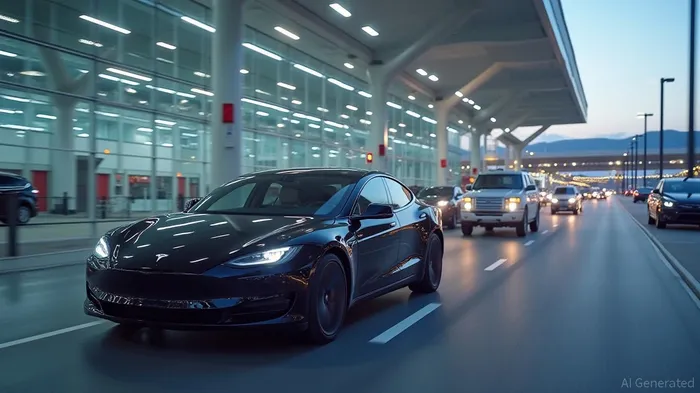
Tesla's senior regulatory counsel, Casey Blaine, informed California regulators over the summer that the company is engaging with these airports to secure necessary approvals for its ride-hailing service. The company's strategy involves signing up customers while navigating the state's multi-step regulatory pathway for autonomous vehicles.
While Tesla has launched its ride-hailing service in the Bay Area with limited permits since July, the company is still pursuing broader approvals to fully realize its vision of an entirely self-driving fleet. Musk has forecasted deploying millions of autonomous taxis within the next year, positioning Tesla as a key player in the emerging robotaxi industry.
The San Francisco Bay Area's airports have been a key arena of policy disputes and negotiations for companies like Waymo, which has made significant progress in securing airport operations. Tesla's move to secure access to these airports could potentially challenge Waymo's dominance and further the ongoing debate between the nascent industry and organized labor.
Tesla's ride-hailing service, branded as "Robotaxi," operates in a "gray area," as the current Tesla cars are equipped with assistive features requiring a human driver to stay alert. The company is gathering data from its privately owned vehicles and the Uber-like Robotaxi fleet to train its software before applying for driverless vehicle permits.
The California Public Utilities Commission (CPUC) has been monitoring Tesla's operations, with staff visiting the company's Palo Alto offices to learn more about its ride-hail service. Despite the Robotaxi branding, Tesla has privately assured state regulators that it knows additional permits are necessary for autonomous ride-hailing operations.
Airports may have different approval processes for conventional ride-hail providers like Uber and Lyft versus autonomous ones like Waymo. Tesla has already secured multiple active business licenses from the city of San Jose, but additional permits and reporting requirements may be necessary for autonomous operations.
As Tesla continues to expand its ride-hailing service, the company's ability to secure airport access and navigate regulatory hurdles will be crucial to its success in the Bay Area and beyond.
References:
[1] https://www.politico.com/news/2025/09/09/tesla-rides-san-francisco-san-jose-airports-00551469
Tesla has approached Bay Area airports to secure access for pickups and drop-offs, expanding its ride-hailing footprint in California. The company has contacted San Francisco International, San Jose Mineta, and Oakland International airports seeking permits required for terminal access. This move would put Tesla's service in front of one of the state's most valuable travel markets. Tesla has been signing up riders in the Bay Area since July under limited permissions while pursuing broader approvals.
Tesla has initiated contact with the three busiest airports in the San Francisco Bay Area to secure permits for pickups and drop-offs, expanding its ride-hailing footprint in California. The company has reached out to San Francisco International Airport, San Jose Mineta International Airport, and Oakland International Airport, aiming to tap into one of the state's most lucrative travel markets.Tesla's senior regulatory counsel, Casey Blaine, informed California regulators over the summer that the company is engaging with these airports to secure necessary approvals for its ride-hailing service. The company's strategy involves signing up customers while navigating the state's multi-step regulatory pathway for autonomous vehicles.
While Tesla has launched its ride-hailing service in the Bay Area with limited permits since July, the company is still pursuing broader approvals to fully realize its vision of an entirely self-driving fleet. Musk has forecasted deploying millions of autonomous taxis within the next year, positioning Tesla as a key player in the emerging robotaxi industry.
The San Francisco Bay Area's airports have been a key arena of policy disputes and negotiations for companies like Waymo, which has made significant progress in securing airport operations. Tesla's move to secure access to these airports could potentially challenge Waymo's dominance and further the ongoing debate between the nascent industry and organized labor.
Tesla's ride-hailing service, branded as "Robotaxi," operates in a "gray area," as the current Tesla cars are equipped with assistive features requiring a human driver to stay alert. The company is gathering data from its privately owned vehicles and the Uber-like Robotaxi fleet to train its software before applying for driverless vehicle permits.
The California Public Utilities Commission (CPUC) has been monitoring Tesla's operations, with staff visiting the company's Palo Alto offices to learn more about its ride-hail service. Despite the Robotaxi branding, Tesla has privately assured state regulators that it knows additional permits are necessary for autonomous ride-hailing operations.
Airports may have different approval processes for conventional ride-hail providers like Uber and Lyft versus autonomous ones like Waymo. Tesla has already secured multiple active business licenses from the city of San Jose, but additional permits and reporting requirements may be necessary for autonomous operations.
As Tesla continues to expand its ride-hailing service, the company's ability to secure airport access and navigate regulatory hurdles will be crucial to its success in the Bay Area and beyond.
References:
[1] https://www.politico.com/news/2025/09/09/tesla-rides-san-francisco-san-jose-airports-00551469


Divulgación editorial y transparencia de la IA: Ainvest News utiliza tecnología avanzada de Modelos de Lenguaje Largo (LLM) para sintetizar y analizar datos de mercado en tiempo real. Para garantizar los más altos estándares de integridad, cada artículo se somete a un riguroso proceso de verificación con participación humana.
Mientras la IA asiste en el procesamiento de datos y la redacción inicial, un miembro editorial profesional de Ainvest revisa, verifica y aprueba de forma independiente todo el contenido para garantizar su precisión y cumplimiento con los estándares editoriales de Ainvest Fintech Inc. Esta supervisión humana está diseñada para mitigar las alucinaciones de la IA y garantizar el contexto financiero.
Advertencia sobre inversiones: Este contenido se proporciona únicamente con fines informativos y no constituye asesoramiento profesional de inversión, legal o financiero. Los mercados conllevan riesgos inherentes. Se recomienda a los usuarios que realicen una investigación independiente o consulten a un asesor financiero certificado antes de tomar cualquier decisión. Ainvest Fintech Inc. se exime de toda responsabilidad por las acciones tomadas con base en esta información. ¿Encontró un error? Reportar un problema


SOBRE NOSOTROS
Nuestra historiaAutores de noticiasBase de conocimientosPolítica de privacidadTérmino de usoDescargo de responsabilidad de corretaje de tercerosTérminos de uso de AIMEDivulgaciones de riesgos de AInvest AICarrerasCONTÁCTENOS
Email: support@ainvest.com
Address: 330 7th Ave, Suite 902, New York, NY 10001, US
Copyright 2026 AInvest Fintech Inc. All rights reserved.


Comentarios
Aún no hay comentarios