
Tesla's Pricing Puzzle: Navigating the EV Tax Credit Crossroads
Generado por agente de IAWesley Park
lunes, 25 de noviembre de 2024, 1:32 pm ET2 min de lectura
TSLA--
The electric vehicle (EV) market is at a crossroads, with the potential elimination of the $7,500 federal tax credit for EV purchases looming on the horizon. For Tesla, the world's leading EV manufacturer, this change could have significant implications for its pricing strategy and market competitiveness. UBS analysts warn that Tesla may need to lower prices to sustain sales in a post-tax credit environment, but this move could also provide an opportunity for the company to solidify its market position.
The elimination of the EV tax credit could be a double-edged sword for Tesla. On the one hand, the tax credit has been a key driver of EV adoption and a competitive advantage for Tesla. Without it, Tesla's pricing strategy will face significant pressure. UBS estimates that Tesla's sales could decline by up to 17% without the credit, as buyers may opt for competing EVs that still qualify for the subsidy.
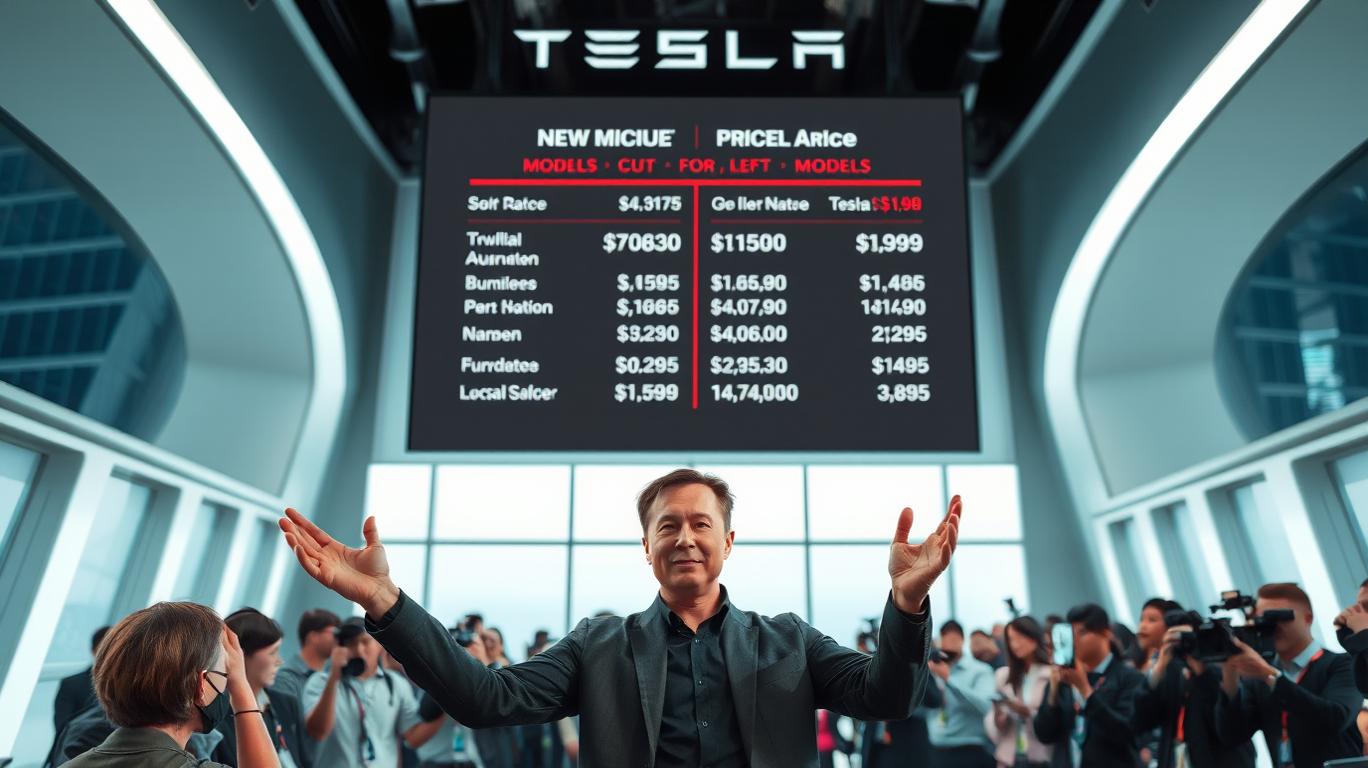
To maintain sales, Tesla may need to reduce prices by up to 10% across its Model 3 and Model Y lineup, as suggested by UBS. This strategic move could help Tesla retain its market share and remain competitive in the EV market. However, it's crucial for Tesla to balance this price reduction with its margins and overall profitability. Tesla's unmatched scale and profitability in EVs could provide a competitive advantage in a non-subsidy environment, according to Wedbush analysts.
On the other hand, the elimination of the EV tax credit could slow down Detroit's shift to EVs, as noted by Wedbush analysts. This removal could discourage competitors like General Motors and Ford from continuing to invest heavily in EVs, leaving the door open for Tesla to grow its already sizable market share. However, this move may not be as detrimental to Tesla as initially thought, as the company can build electric cars at a lower cost than domestic competitors, enabling it to undercut them on pricing in a market without subsidies.
Tesla's long-term growth prospects could also be influenced by the Trump administration's plans for autonomous vehicles. With its robotaxi ambitions, Tesla stands to benefit from a federal framework that accelerates the adoption of self-driving cars. This strategic alliance between Tesla and the Trump administration could help clear the path for Tesla's autonomous vehicle dreams, further strengthening its long-term growth prospects.
In conclusion, the elimination of the EV tax credit poses both challenges and opportunities for Tesla. While the company may need to lower prices to maintain sales, it could also capitalize on the situation by undercutting competitors and growing its market share. As the EV market continues to evolve, Tesla's pricing strategy will be crucial in determining its competitiveness and long-term success. Investors should closely monitor Tesla's pricing adjustments and their impact on the company's market position and financial performance.
The elimination of the EV tax credit could be a double-edged sword for Tesla. On the one hand, the tax credit has been a key driver of EV adoption and a competitive advantage for Tesla. Without it, Tesla's pricing strategy will face significant pressure. UBS estimates that Tesla's sales could decline by up to 17% without the credit, as buyers may opt for competing EVs that still qualify for the subsidy.
To maintain sales, Tesla may need to reduce prices by up to 10% across its Model 3 and Model Y lineup, as suggested by UBS. This strategic move could help Tesla retain its market share and remain competitive in the EV market. However, it's crucial for Tesla to balance this price reduction with its margins and overall profitability. Tesla's unmatched scale and profitability in EVs could provide a competitive advantage in a non-subsidy environment, according to Wedbush analysts.
On the other hand, the elimination of the EV tax credit could slow down Detroit's shift to EVs, as noted by Wedbush analysts. This removal could discourage competitors like General Motors and Ford from continuing to invest heavily in EVs, leaving the door open for Tesla to grow its already sizable market share. However, this move may not be as detrimental to Tesla as initially thought, as the company can build electric cars at a lower cost than domestic competitors, enabling it to undercut them on pricing in a market without subsidies.
Tesla's long-term growth prospects could also be influenced by the Trump administration's plans for autonomous vehicles. With its robotaxi ambitions, Tesla stands to benefit from a federal framework that accelerates the adoption of self-driving cars. This strategic alliance between Tesla and the Trump administration could help clear the path for Tesla's autonomous vehicle dreams, further strengthening its long-term growth prospects.
In conclusion, the elimination of the EV tax credit poses both challenges and opportunities for Tesla. While the company may need to lower prices to maintain sales, it could also capitalize on the situation by undercutting competitors and growing its market share. As the EV market continues to evolve, Tesla's pricing strategy will be crucial in determining its competitiveness and long-term success. Investors should closely monitor Tesla's pricing adjustments and their impact on the company's market position and financial performance.

Divulgación editorial y transparencia de la IA: Ainvest News utiliza tecnología avanzada de Modelos de Lenguaje Largo (LLM) para sintetizar y analizar datos de mercado en tiempo real. Para garantizar los más altos estándares de integridad, cada artículo se somete a un riguroso proceso de verificación con participación humana.
Mientras la IA asiste en el procesamiento de datos y la redacción inicial, un miembro editorial profesional de Ainvest revisa, verifica y aprueba de forma independiente todo el contenido para garantizar su precisión y cumplimiento con los estándares editoriales de Ainvest Fintech Inc. Esta supervisión humana está diseñada para mitigar las alucinaciones de la IA y garantizar el contexto financiero.
Advertencia sobre inversiones: Este contenido se proporciona únicamente con fines informativos y no constituye asesoramiento profesional de inversión, legal o financiero. Los mercados conllevan riesgos inherentes. Se recomienda a los usuarios que realicen una investigación independiente o consulten a un asesor financiero certificado antes de tomar cualquier decisión. Ainvest Fintech Inc. se exime de toda responsabilidad por las acciones tomadas con base en esta información. ¿Encontró un error? Reportar un problema


SOBRE NOSOTROS
Nuestra historiaAutores de noticiasBase de conocimientosPolítica de privacidadTérmino de usoDescargo de responsabilidad de corretaje de tercerosTérminos de uso de AIMEDivulgaciones de riesgos de AInvest AICarrerasCONTÁCTENOS
Email: support@ainvest.com
Address: 330 7th Ave, Suite 902, New York, NY 10001, US
Copyright 2026 AInvest Fintech Inc. All rights reserved.


Comentarios
Aún no hay comentarios