
Tesla's Crash-Reporting Conundrum: A Looming Safety Concern
Generado por agente de IAWesley Park
viernes, 13 de diciembre de 2024, 6:16 am ET1 min de lectura
TSLA--
The automotive industry is at a crossroads, with the Trump transition team's recommendation to scrap the car-crash reporting requirement opposed by Tesla raising significant concerns about consumer safety and public trust. This article delves into the implications of this proposal and its potential impact on the future of automated-driving systems.
The National Highway Traffic Safety Administration (NHTSA) established the crash-reporting requirement in 2021, mandating that automakers report crashes involving advanced driver-assistance or autonomous-driving technologies. This data is crucial for evaluating the safety of emerging automated-driving technologies and has influenced several investigations and recalls, including those involving Tesla.
Tesla, which accounts for 40 out of 45 fatal crashes reported to NHTSA through Oct. 15, has been targeted in NHTSA investigations stemming from the data. The company's Autopilot and "Full Self-Driving" systems have come under intense scrutiny in lawsuits and a DOJ criminal probe, examining whether Tesla exaggerated its vehicles' self-driving capabilities.
The Trump transition team's recommendation to kill the crash-reporting rule came from a transition team tasked with producing a 100-day strategy for automotive policy. The group called the measure a mandate for "excessive" data collection, according to a document seen by Reuters. The recommendation, if enacted, could cripple the government's ability to investigate and regulate the safety of vehicles with automated-driving systems.
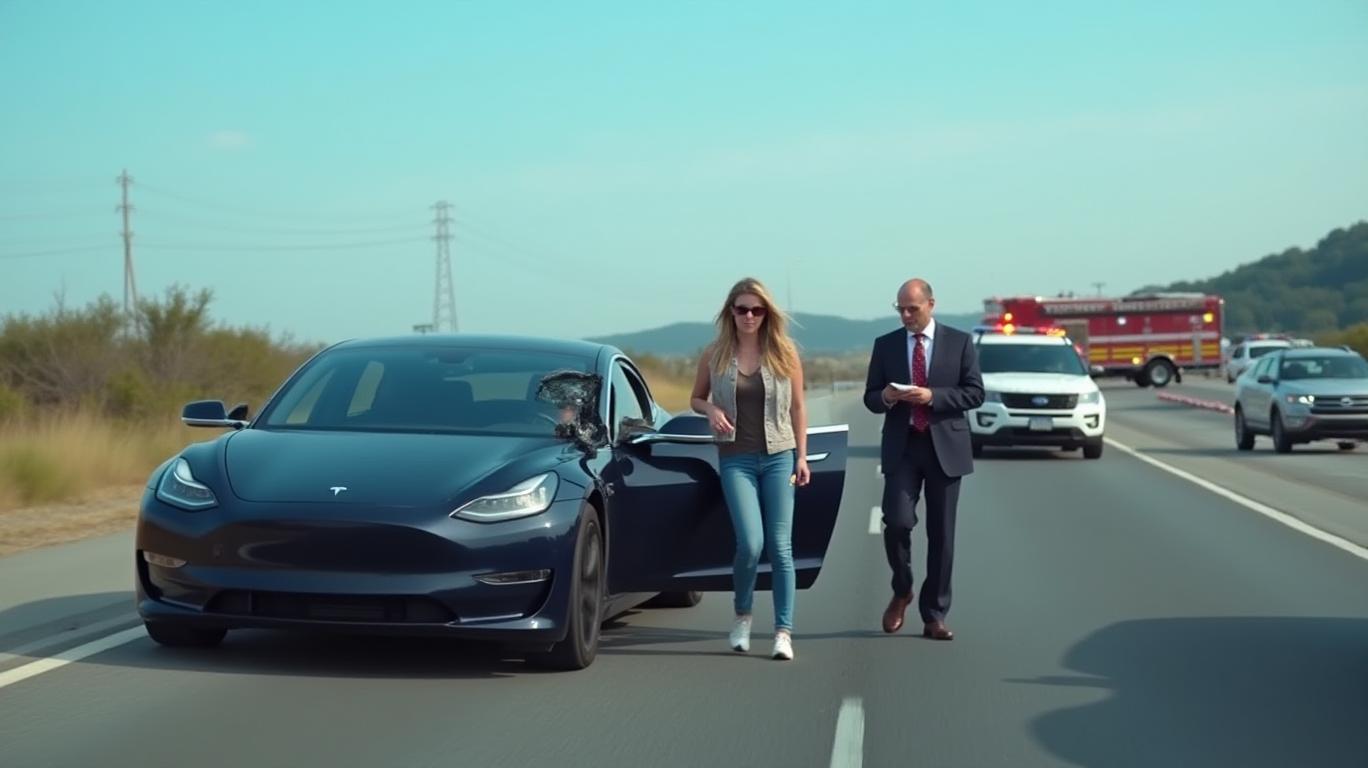
Without the crash-reporting requirement, the NHTSA's ability to identify and address safety issues in vehicles with automated-driving systems would be significantly hindered. The absence of crash data would make it difficult for the agency to detect crash patterns that highlight safety problems, as seen in its investigations into Tesla's driver-assistance features that led to recalls.
The potential consequences for consumer safety and public trust in Tesla are severe. The crash-reporting requirement is essential for maintaining transparency and accountability in the automotive industry, particularly in the realm of safety-critical technologies. Without this data, consumers may be put at risk, and public trust in Tesla and the broader automotive industry could be eroded.
Tesla's executives have expressed concerns that the NHTSA presents crash data in ways that mislead consumers about the automaker's safety. However, the agency cautions that the data should not be used to compare one automaker's safety to another because different companies collect information on crashes in different ways.
In conclusion, the Trump transition team's recommendation to scrap the car-crash reporting requirement opposed by Tesla raises serious concerns about consumer safety and public trust in the company. The absence of crash data would hinder the NHTSA's ability to identify and address safety issues in vehicles with automated-driving systems, potentially putting drivers and passengers at risk. Tesla and other automakers must prioritize transparency and accountability in the interest of public safety.
The automotive industry is at a crossroads, with the Trump transition team's recommendation to scrap the car-crash reporting requirement opposed by Tesla raising significant concerns about consumer safety and public trust. This article delves into the implications of this proposal and its potential impact on the future of automated-driving systems.
The National Highway Traffic Safety Administration (NHTSA) established the crash-reporting requirement in 2021, mandating that automakers report crashes involving advanced driver-assistance or autonomous-driving technologies. This data is crucial for evaluating the safety of emerging automated-driving technologies and has influenced several investigations and recalls, including those involving Tesla.
Tesla, which accounts for 40 out of 45 fatal crashes reported to NHTSA through Oct. 15, has been targeted in NHTSA investigations stemming from the data. The company's Autopilot and "Full Self-Driving" systems have come under intense scrutiny in lawsuits and a DOJ criminal probe, examining whether Tesla exaggerated its vehicles' self-driving capabilities.
The Trump transition team's recommendation to kill the crash-reporting rule came from a transition team tasked with producing a 100-day strategy for automotive policy. The group called the measure a mandate for "excessive" data collection, according to a document seen by Reuters. The recommendation, if enacted, could cripple the government's ability to investigate and regulate the safety of vehicles with automated-driving systems.
Without the crash-reporting requirement, the NHTSA's ability to identify and address safety issues in vehicles with automated-driving systems would be significantly hindered. The absence of crash data would make it difficult for the agency to detect crash patterns that highlight safety problems, as seen in its investigations into Tesla's driver-assistance features that led to recalls.
The potential consequences for consumer safety and public trust in Tesla are severe. The crash-reporting requirement is essential for maintaining transparency and accountability in the automotive industry, particularly in the realm of safety-critical technologies. Without this data, consumers may be put at risk, and public trust in Tesla and the broader automotive industry could be eroded.
Tesla's executives have expressed concerns that the NHTSA presents crash data in ways that mislead consumers about the automaker's safety. However, the agency cautions that the data should not be used to compare one automaker's safety to another because different companies collect information on crashes in different ways.
In conclusion, the Trump transition team's recommendation to scrap the car-crash reporting requirement opposed by Tesla raises serious concerns about consumer safety and public trust in the company. The absence of crash data would hinder the NHTSA's ability to identify and address safety issues in vehicles with automated-driving systems, potentially putting drivers and passengers at risk. Tesla and other automakers must prioritize transparency and accountability in the interest of public safety.

Divulgación editorial y transparencia de la IA: Ainvest News utiliza tecnología avanzada de Modelos de Lenguaje Largo (LLM) para sintetizar y analizar datos de mercado en tiempo real. Para garantizar los más altos estándares de integridad, cada artículo se somete a un riguroso proceso de verificación con participación humana.
Mientras la IA asiste en el procesamiento de datos y la redacción inicial, un miembro editorial profesional de Ainvest revisa, verifica y aprueba de forma independiente todo el contenido para garantizar su precisión y cumplimiento con los estándares editoriales de Ainvest Fintech Inc. Esta supervisión humana está diseñada para mitigar las alucinaciones de la IA y garantizar el contexto financiero.
Advertencia sobre inversiones: Este contenido se proporciona únicamente con fines informativos y no constituye asesoramiento profesional de inversión, legal o financiero. Los mercados conllevan riesgos inherentes. Se recomienda a los usuarios que realicen una investigación independiente o consulten a un asesor financiero certificado antes de tomar cualquier decisión. Ainvest Fintech Inc. se exime de toda responsabilidad por las acciones tomadas con base en esta información. ¿Encontró un error? Reportar un problema


SOBRE NOSOTROS
Nuestra historiaAutores de noticiasBase de conocimientosPolítica de privacidadTérmino de usoDescargo de responsabilidad de corretaje de tercerosTérminos de uso de AIMEDivulgaciones de riesgos de AInvest AICarrerasCONTÁCTENOS
Email: support@ainvest.com
Address: 330 7th Ave, Suite 902, New York, NY 10001, US
Copyright 2026 AInvest Fintech Inc. All rights reserved.


Comentarios
Aún no hay comentarios