
Tesla's China Sales Slump: Navigating the EV Market's Shifts
Generado por agente de IAWesley Park
martes, 3 de diciembre de 2024, 3:59 am ET1 min de lectura
BYD--
Tesla's China-made electric vehicle (EV) sales have seen a significant decline, dropping 4.3% year-over-year in November. This slowdown raises questions about the company's market position and the broader EV market trends in China. As an investor, it's crucial to understand the driving factors behind this shift and evaluate the potential impact on Tesla's long-term prospects.
The Chinese EV market has been booming, with local players like BYD, Nio, and XPeng reporting strong growth in 2024 (Jan-Nov). BYD, Tesla's archrival, reported a record 520,000 EV sales in November, up 72% year-over-year, driven by aggressive pricing strategies. In contrast, Tesla's sales have stagnated, reflecting the intense competition in the market.
Tesla's higher prices, due to reduced subsidies and tariffs, have made its vehicles less competitive in the price-sensitive Chinese market. Additionally, the ongoing trade tensions between the United States and China have contributed to a shift in consumer sentiment, favoring locally produced EVs. This trend has disproportionately affected Tesla, as it imports most of its vehicles from the United States.
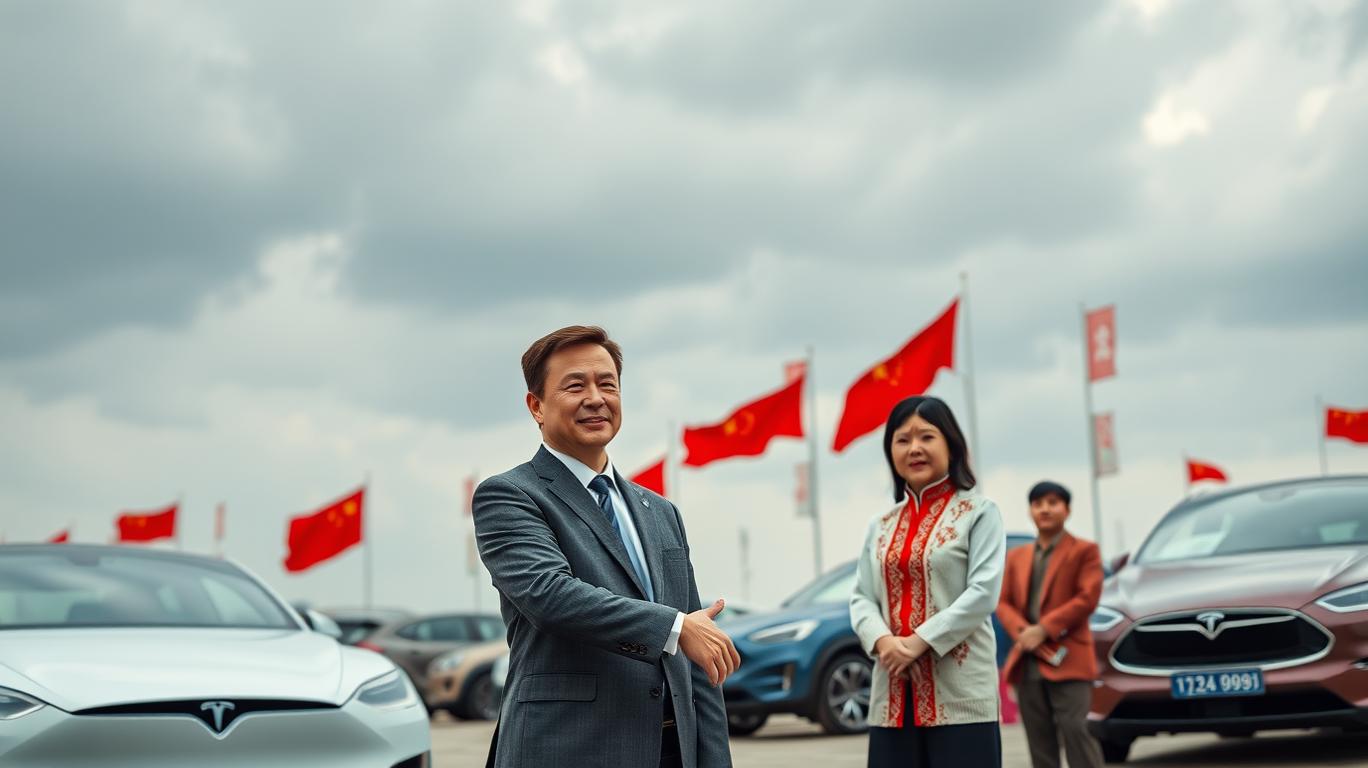
To maintain a competitive edge, Tesla has implemented price cuts and incentives, but these measures have not been enough to match the aggressive pricing of local rivals. As the competition intensifies, Tesla may need to reevaluate its pricing strategy and consider more aggressive discounting or innovative offerings to regain market share.
The geopolitical landscape and labor market dynamics are also playing a role in Tesla's China sales. The escalating trade war between the United States and China has led to increased tariffs on imported vehicles, making Tesla's China-made offerings less competitive. Moreover, wage inflation and geopolitical tensions are affecting semiconductor supply chains, further challenging Tesla's production and sales.
Despite these challenges, Tesla remains a formidable player in the global EV market, with a 14% share of worldwide sales in 2023. The company's strong brand and innovative technology position it well for long-term growth. However, investors should be mindful of the competitive pressures and geopolitical risks that may impact Tesla's sales in the Chinese market.
In conclusion, Tesla's China-made EV sales drop in November highlights the intense competition in the Chinese EV market. As local players like BYD, Nio, and XPeng continue to grow, Tesla must adapt its pricing strategy and consider the impact of geopolitical tensions on consumer sentiment. Despite these challenges, Tesla's enduring brand and innovative technology bode well for its long-term prospects. Investors should remain vigilant, monitor market trends, and evaluate Tesla's strategic decisions to make informed investment choices in the dynamic EV market.
NIO--
TSLA--
XPEV--
Tesla's China-made electric vehicle (EV) sales have seen a significant decline, dropping 4.3% year-over-year in November. This slowdown raises questions about the company's market position and the broader EV market trends in China. As an investor, it's crucial to understand the driving factors behind this shift and evaluate the potential impact on Tesla's long-term prospects.
The Chinese EV market has been booming, with local players like BYD, Nio, and XPeng reporting strong growth in 2024 (Jan-Nov). BYD, Tesla's archrival, reported a record 520,000 EV sales in November, up 72% year-over-year, driven by aggressive pricing strategies. In contrast, Tesla's sales have stagnated, reflecting the intense competition in the market.
Tesla's higher prices, due to reduced subsidies and tariffs, have made its vehicles less competitive in the price-sensitive Chinese market. Additionally, the ongoing trade tensions between the United States and China have contributed to a shift in consumer sentiment, favoring locally produced EVs. This trend has disproportionately affected Tesla, as it imports most of its vehicles from the United States.
To maintain a competitive edge, Tesla has implemented price cuts and incentives, but these measures have not been enough to match the aggressive pricing of local rivals. As the competition intensifies, Tesla may need to reevaluate its pricing strategy and consider more aggressive discounting or innovative offerings to regain market share.
The geopolitical landscape and labor market dynamics are also playing a role in Tesla's China sales. The escalating trade war between the United States and China has led to increased tariffs on imported vehicles, making Tesla's China-made offerings less competitive. Moreover, wage inflation and geopolitical tensions are affecting semiconductor supply chains, further challenging Tesla's production and sales.
Despite these challenges, Tesla remains a formidable player in the global EV market, with a 14% share of worldwide sales in 2023. The company's strong brand and innovative technology position it well for long-term growth. However, investors should be mindful of the competitive pressures and geopolitical risks that may impact Tesla's sales in the Chinese market.
In conclusion, Tesla's China-made EV sales drop in November highlights the intense competition in the Chinese EV market. As local players like BYD, Nio, and XPeng continue to grow, Tesla must adapt its pricing strategy and consider the impact of geopolitical tensions on consumer sentiment. Despite these challenges, Tesla's enduring brand and innovative technology bode well for its long-term prospects. Investors should remain vigilant, monitor market trends, and evaluate Tesla's strategic decisions to make informed investment choices in the dynamic EV market.

Divulgación editorial y transparencia de la IA: Ainvest News utiliza tecnología avanzada de Modelos de Lenguaje Largo (LLM) para sintetizar y analizar datos de mercado en tiempo real. Para garantizar los más altos estándares de integridad, cada artículo se somete a un riguroso proceso de verificación con participación humana.
Mientras la IA asiste en el procesamiento de datos y la redacción inicial, un miembro editorial profesional de Ainvest revisa, verifica y aprueba de forma independiente todo el contenido para garantizar su precisión y cumplimiento con los estándares editoriales de Ainvest Fintech Inc. Esta supervisión humana está diseñada para mitigar las alucinaciones de la IA y garantizar el contexto financiero.
Advertencia sobre inversiones: Este contenido se proporciona únicamente con fines informativos y no constituye asesoramiento profesional de inversión, legal o financiero. Los mercados conllevan riesgos inherentes. Se recomienda a los usuarios que realicen una investigación independiente o consulten a un asesor financiero certificado antes de tomar cualquier decisión. Ainvest Fintech Inc. se exime de toda responsabilidad por las acciones tomadas con base en esta información. ¿Encontró un error? Reportar un problema


SOBRE NOSOTROS
Nuestra historiaAutores de noticiasBase de conocimientosPolítica de privacidadTérmino de usoDescargo de responsabilidad de corretaje de tercerosTérminos de uso de AIMEDivulgaciones de riesgos de AInvest AICarrerasCONTÁCTENOS
Email: support@ainvest.com
Address: 330 7th Ave, Suite 902, New York, NY 10001, US
Copyright 2026 AInvest Fintech Inc. All rights reserved.


Comentarios
Aún no hay comentarios