
Tesla's China Sales Slump as BYD Soars
Generado por agente de IAWesley Park
miércoles, 4 de diciembre de 2024, 8:33 am ET1 min de lectura
BYD--
Tesla's once-dominant position in the Chinese electric vehicle (EV) market seems to be under threat. In November 2024, the company's China wholesale sales dropped by 4.3% year-on-year, reaching 78,856 units. This decline comes as BYD, Tesla's main Chinese competitor, hit a new monthly record of 504,000 units, up 67.2% year-on-year.
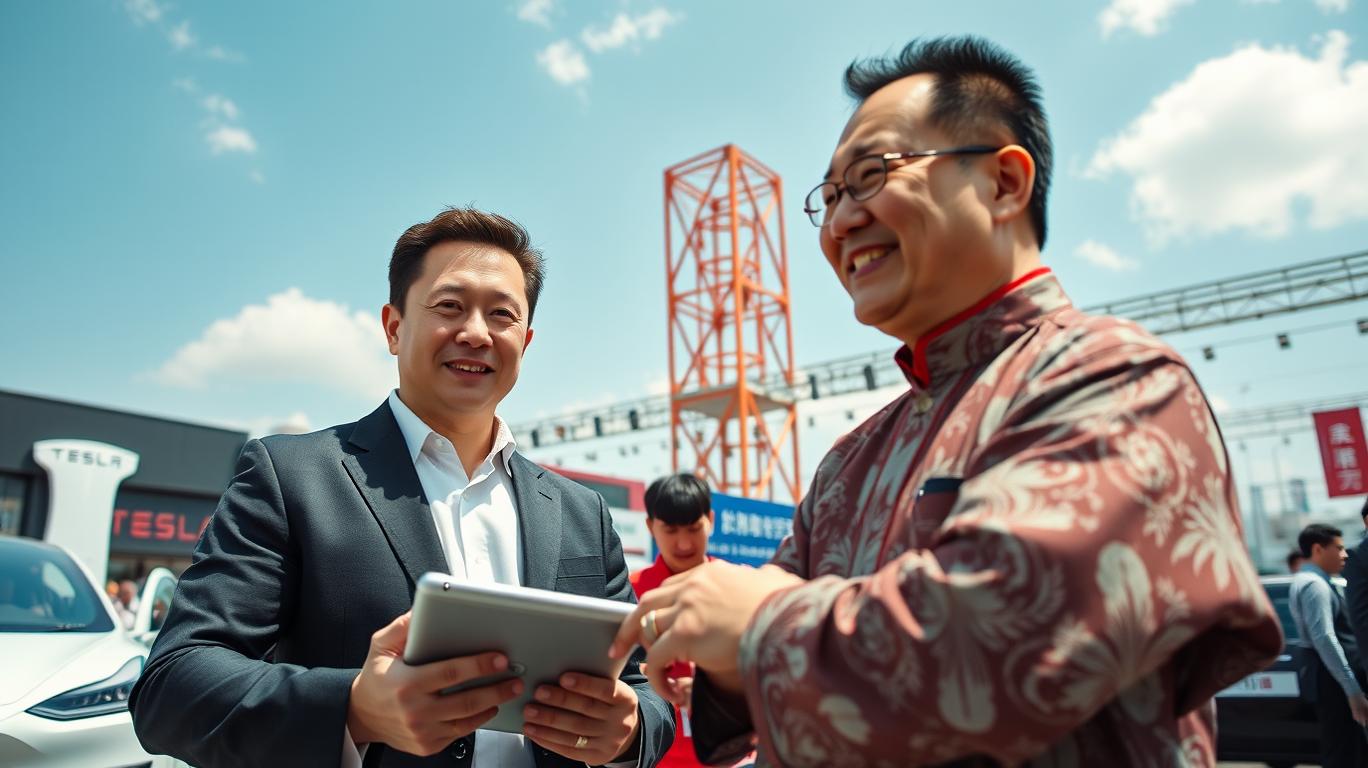
Tesla's focus on the domestic market in November 2024, with 73,000 of the 78,856 vehicles sold locally, could be a strategic move to boost sales and maintain market share. However, this shift may also indicate challenges in maintaining export figures. In contrast, BYD's aggressive pricing and expansion into new market segments, such as affordable EVs and luxury models, have driven its impressive growth.
To regain its competitive edge, Tesla must adapt its pricing strategy, differentiate its products and services, and leverage its brand recognition and innovation. The company's battery technology, charging infrastructure, and vertical integration provide a competitive advantage that can attract Chinese consumers despite BYD's strong presence and lower prices.
Tesla's upcoming refresh of the Model Y, codenamed "Juniper," is expected to boost sales and help the company maintain its position in the competitive Chinese market. Additionally, strategic acquisitions and organic growth initiatives can help Tesla stay ahead of the curve in the rapidly evolving EV landscape.
In conclusion, Tesla's November China EV sales drop serves as a wake-up call for the company to reassess its strategy and adapt to the changing market dynamics. BYD's strong performance highlights the importance of affordability, innovation, and market diversification. As the Chinese EV market continues to grow, Tesla must innovate and adapt to maintain its market share and continue its mission to accelerate the world's transition to sustainable energy.
TSLA--
Tesla's once-dominant position in the Chinese electric vehicle (EV) market seems to be under threat. In November 2024, the company's China wholesale sales dropped by 4.3% year-on-year, reaching 78,856 units. This decline comes as BYD, Tesla's main Chinese competitor, hit a new monthly record of 504,000 units, up 67.2% year-on-year.
Tesla's focus on the domestic market in November 2024, with 73,000 of the 78,856 vehicles sold locally, could be a strategic move to boost sales and maintain market share. However, this shift may also indicate challenges in maintaining export figures. In contrast, BYD's aggressive pricing and expansion into new market segments, such as affordable EVs and luxury models, have driven its impressive growth.
To regain its competitive edge, Tesla must adapt its pricing strategy, differentiate its products and services, and leverage its brand recognition and innovation. The company's battery technology, charging infrastructure, and vertical integration provide a competitive advantage that can attract Chinese consumers despite BYD's strong presence and lower prices.
Tesla's upcoming refresh of the Model Y, codenamed "Juniper," is expected to boost sales and help the company maintain its position in the competitive Chinese market. Additionally, strategic acquisitions and organic growth initiatives can help Tesla stay ahead of the curve in the rapidly evolving EV landscape.
In conclusion, Tesla's November China EV sales drop serves as a wake-up call for the company to reassess its strategy and adapt to the changing market dynamics. BYD's strong performance highlights the importance of affordability, innovation, and market diversification. As the Chinese EV market continues to grow, Tesla must innovate and adapt to maintain its market share and continue its mission to accelerate the world's transition to sustainable energy.

Divulgación editorial y transparencia de la IA: Ainvest News utiliza tecnología avanzada de Modelos de Lenguaje Largo (LLM) para sintetizar y analizar datos de mercado en tiempo real. Para garantizar los más altos estándares de integridad, cada artículo se somete a un riguroso proceso de verificación con participación humana.
Mientras la IA asiste en el procesamiento de datos y la redacción inicial, un miembro editorial profesional de Ainvest revisa, verifica y aprueba de forma independiente todo el contenido para garantizar su precisión y cumplimiento con los estándares editoriales de Ainvest Fintech Inc. Esta supervisión humana está diseñada para mitigar las alucinaciones de la IA y garantizar el contexto financiero.
Advertencia sobre inversiones: Este contenido se proporciona únicamente con fines informativos y no constituye asesoramiento profesional de inversión, legal o financiero. Los mercados conllevan riesgos inherentes. Se recomienda a los usuarios que realicen una investigación independiente o consulten a un asesor financiero certificado antes de tomar cualquier decisión. Ainvest Fintech Inc. se exime de toda responsabilidad por las acciones tomadas con base en esta información. ¿Encontró un error? Reportar un problema


SOBRE NOSOTROS
Nuestra historiaAutores de noticiasBase de conocimientosPolítica de privacidadTérmino de usoDescargo de responsabilidad de corretaje de tercerosTérminos de uso de AIMEDivulgaciones de riesgos de AInvest AICarrerasCONTÁCTENOS
Email: support@ainvest.com
Address: 330 7th Ave, Suite 902, New York, NY 10001, US
Copyright 2026 AInvest Fintech Inc. All rights reserved.


Comentarios
Aún no hay comentarios