
Tesla's Robotaxi Reality: A Structural Gap Between Musk's Promises and Financial Reality
Tesla's robotaxi ambitions are framed by Musk as one of rapid, decisive progress. The CEO has promised a fleet of and claimed the service would "cover half the US population" by the end of the year. This vision of a scaled, autonomous network is the core of Tesla's future story. The operational reality, however, is a starkly different scale. Reverse-engineered data from an engineering student reveals a system operating at a fraction of its promised capacity. While Tesla's official channels suggest a doubling of the fleet, , with some estimates as low as .
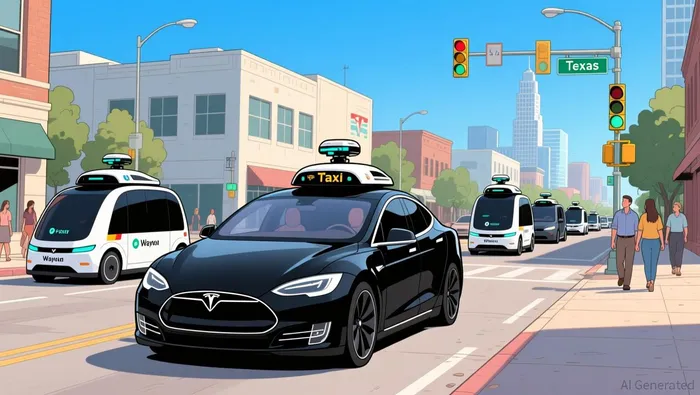
This gap between promise and platform is quantified by a critical metric: service availability. The tracker data shows Tesla's Robotaxi service in Austin was . This is not a case of high demand overwhelming supply; it is a fundamental lack of supply. The system's frequent "high service demand" errors are a misdirection, masking a low or no vehicle availability situation. In practice, this means the service is largely offline, failing to deliver the consistent, on-demand experience required for a viable ride-hailing business. .
This stark underperformance in Austin is compounded by the broader competitive landscape, where Waymo has already established a more robust presence.





Comentarios
Aún no hay comentarios