
Tesla Rivals: The Race to Phase Out EV Tax Credits
Generado por agente de IAWesley Park
miércoles, 12 de febrero de 2025, 2:39 am ET1 min de lectura
F--
As the electric vehicle (EV) revolution gains momentum, automakers are grappling with the potential repeal or reduction of federal tax credits for EVs. Tesla's competitors, such as General Motors (GM) and Ford (F), are calling for a gradual elimination of these incentives, citing concerns about job losses and the impact on the EV market. But what does this mean for Tesla, and how will investors react to these shifts in government policy?
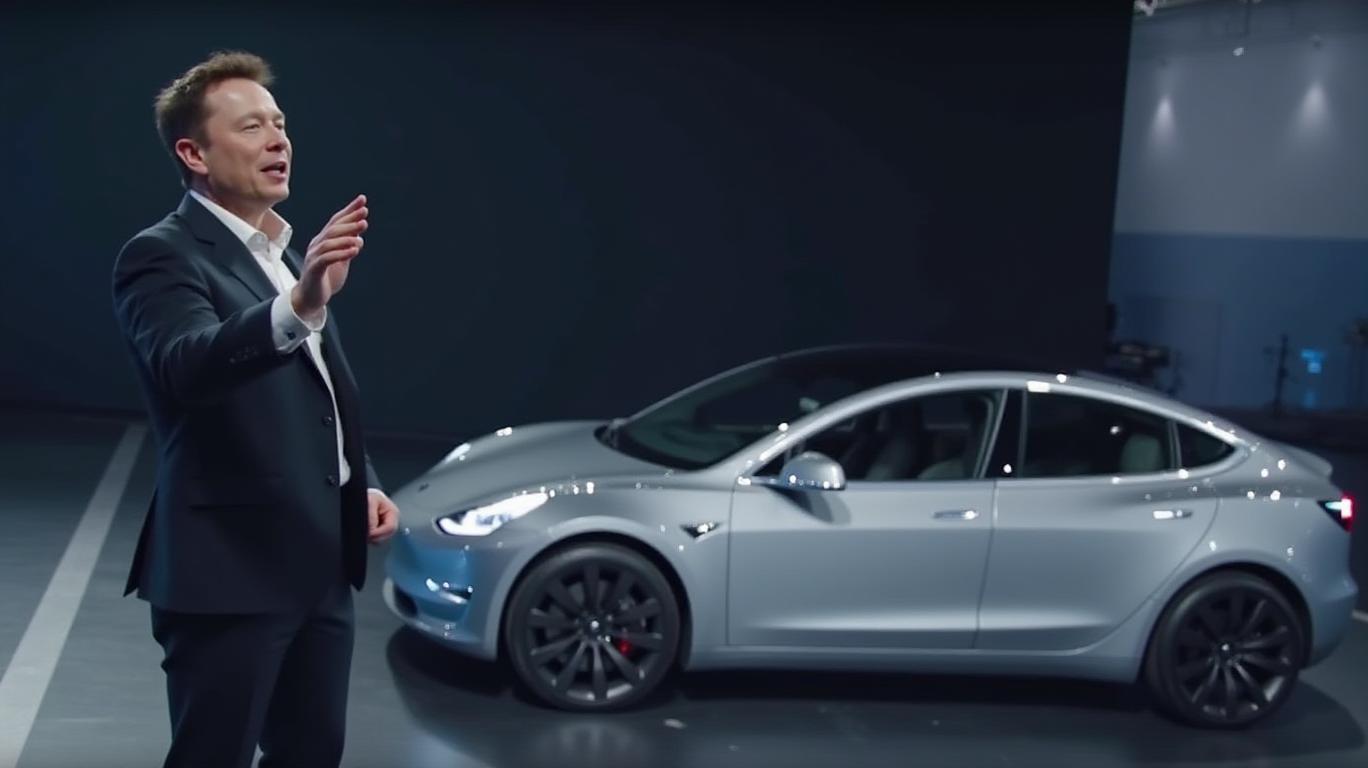
Tesla's competitors argue that an abrupt end to EV tax credits could cost the U.S. thousands of jobs and billions of dollars, while also putting the country at a disadvantage in the global EV race. They are pushing for a multi-year phase-out to give the industry time to adapt and reduce EV costs. However, Tesla's unique position in the market may allow it to weather the storm more effectively than its competitors.
Tesla's strong brand, innovative technology, and extensive charging infrastructure could help mitigate the impact of reduced tax credits on its sales and market share. Additionally, Tesla's lower production costs and higher margins on its EVs could help offset any profitability decline. In contrast, competitors like GM and Ford might struggle to maintain market share and profitability if they rely more heavily on subsidies to make their EVs competitive.

Investors should consider the potential impact of a shift in government policy on Tesla's stock price and investor sentiment. If Tesla can maintain or even grow its market share despite reduced subsidies, investors might view the company more favorably. However, if Tesla's sales and profitability suffer due to reduced subsidies, investor sentiment could turn negative, leading to a decrease in the stock price.
In conclusion, the gradual elimination of EV tax credits could have both positive and negative effects on Tesla's stock price and investor sentiment. The ultimate impact would depend on how Tesla and its competitors adapt to the changes, as well as the broader market demand for EVs. As the EV revolution continues to unfold, investors should keep a close eye on the evolving landscape and the strategic moves made by Tesla and its competitors to maintain their competitive edge.
FORD--
GM--
TSLA--
As the electric vehicle (EV) revolution gains momentum, automakers are grappling with the potential repeal or reduction of federal tax credits for EVs. Tesla's competitors, such as General Motors (GM) and Ford (F), are calling for a gradual elimination of these incentives, citing concerns about job losses and the impact on the EV market. But what does this mean for Tesla, and how will investors react to these shifts in government policy?
Tesla's competitors argue that an abrupt end to EV tax credits could cost the U.S. thousands of jobs and billions of dollars, while also putting the country at a disadvantage in the global EV race. They are pushing for a multi-year phase-out to give the industry time to adapt and reduce EV costs. However, Tesla's unique position in the market may allow it to weather the storm more effectively than its competitors.
Tesla's strong brand, innovative technology, and extensive charging infrastructure could help mitigate the impact of reduced tax credits on its sales and market share. Additionally, Tesla's lower production costs and higher margins on its EVs could help offset any profitability decline. In contrast, competitors like GM and Ford might struggle to maintain market share and profitability if they rely more heavily on subsidies to make their EVs competitive.
Investors should consider the potential impact of a shift in government policy on Tesla's stock price and investor sentiment. If Tesla can maintain or even grow its market share despite reduced subsidies, investors might view the company more favorably. However, if Tesla's sales and profitability suffer due to reduced subsidies, investor sentiment could turn negative, leading to a decrease in the stock price.
In conclusion, the gradual elimination of EV tax credits could have both positive and negative effects on Tesla's stock price and investor sentiment. The ultimate impact would depend on how Tesla and its competitors adapt to the changes, as well as the broader market demand for EVs. As the EV revolution continues to unfold, investors should keep a close eye on the evolving landscape and the strategic moves made by Tesla and its competitors to maintain their competitive edge.

Divulgación editorial y transparencia de la IA: Ainvest News utiliza tecnología avanzada de Modelos de Lenguaje Largo (LLM) para sintetizar y analizar datos de mercado en tiempo real. Para garantizar los más altos estándares de integridad, cada artículo se somete a un riguroso proceso de verificación con participación humana.
Mientras la IA asiste en el procesamiento de datos y la redacción inicial, un miembro editorial profesional de Ainvest revisa, verifica y aprueba de forma independiente todo el contenido para garantizar su precisión y cumplimiento con los estándares editoriales de Ainvest Fintech Inc. Esta supervisión humana está diseñada para mitigar las alucinaciones de la IA y garantizar el contexto financiero.
Advertencia sobre inversiones: Este contenido se proporciona únicamente con fines informativos y no constituye asesoramiento profesional de inversión, legal o financiero. Los mercados conllevan riesgos inherentes. Se recomienda a los usuarios que realicen una investigación independiente o consulten a un asesor financiero certificado antes de tomar cualquier decisión. Ainvest Fintech Inc. se exime de toda responsabilidad por las acciones tomadas con base en esta información. ¿Encontró un error? Reportar un problema


SOBRE NOSOTROS
Nuestra historiaAutores de noticiasBase de conocimientosPolítica de privacidadTérmino de usoDescargo de responsabilidad de corretaje de tercerosTérminos de uso de AIMEDivulgaciones de riesgos de AInvest AICarrerasCONTÁCTENOS
Email: support@ainvest.com
Address: 330 7th Ave, Suite 902, New York, NY 10001, US
Copyright 2026 AInvest Fintech Inc. All rights reserved.


Comentarios
Aún no hay comentarios