
Tesla and the Renewable Energy Crossroads: Navigating Trump's Megabill
The Trump administration's “Megabill” has thrust TeslaTSLA-- and the renewable energy sector into a high-stakes political and financial battle. As the bill advances through Congress, its proposed cuts to clean energy subsidies, taxes on foreign-made components, and restrictions on federal funding have sparked fierce backlash from Tesla CEO Elon Musk and industry leaders. For investors, the legislation presents both risks and opportunities in a sector already navigating geopolitical tensions and supply chain challenges. Here's how to assess the stakes—and where to look for value.
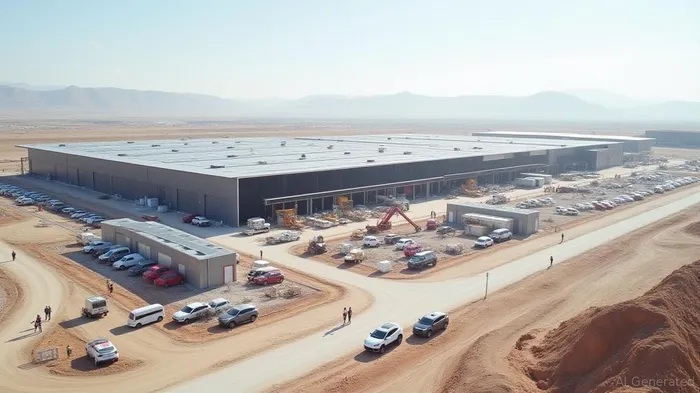
The Regulatory Crosshairs: How the Megabill Threatens Tesla's Growth
The bill's energy provisions are a direct assault on Tesla's core business model. Key provisions include:
- Termination of EV Tax Credits: The $7,500 consumer rebate for electric vehicles (EVs) would expire within 180 days of enactment, eliminating a critical incentive for buyers. Tesla's sales, which rely heavily on such incentives, could face a near-term drop.
- Phase-Out of Production Credits: Tax breaks for manufacturing EVs, batteries, and solar panels are set to end by 2026, raising production costs for Tesla's Gigafactories.
- Taxes on Chinese Components: A new 25% tax on renewable energy projects using equipment from “foreign entities of concern” (read: China) would hit Tesla's supply chain. Over 80% of its battery materials currently come from Chinese manufacturers, raising costs unless it accelerates domestic sourcing.
The Congressional Budget Office estimates these changes could reduce U.S. clean energy investment by $179 billion over a decade—a blow to Tesla's expansion plans. Musk's public feud with the bill—calling it “insane”—has already rattled markets, with Tesla's stock plunging 14% in early June amid his criticisms.
Market Dynamics: Volatility and Strategic Shifts
The Megabill's passage would reshape the renewable energy landscape in three key ways:
1. Consumer Demand Shock: The loss of EV tax credits could reduce U.S. EV sales by 30–40% in 2026, according to analysts at Goldman SachsGS--. Tesla's pricing power—already under pressure from Chinese rivals like BYD—could erode further.
2. Supply Chain Reconfiguration: Tesla must pivot to U.S.-made or non-Chinese components, a costly and time-intensive process. Competitors with more diversified supply chains, such as Ford or RivianRIVN--, might gain an edge.
3. Global Competitiveness Risks: While the U.S. scales back subsidies, China's “new energy” sector is booming. Beijing's $4 trillion state-backed plan for renewables could cement its dominance in batteries and solar tech, forcing Tesla to cede market share unless it adapts quickly.
Investment Implications: Navigating the Policy Storm
For investors, the Megabill's passage is a double-edged sword. Here's how to position portfolios:
Near-Term Risks
- Tesla's Valuation: The stock could remain volatile as the bill's fateFATE-- unfolds. A “no-deal” outcome (if the bill fails) might spark a rebound, while passage could test support levels.
- Sector ETFs: Clean energy ETFs like ICLN (Invesco Solar ETF) or FCG (First Trust Global Wind Energy ETF) may underperform if subsidies vanish.
Long-Term Opportunities
- U.S. Manufacturing Plays: Companies with domestic battery or solar production capabilities, such as Enphase Energy (ENPH) or First Solar (FSLR), could benefit from reduced competition and rising demand for “Made in America” components.
- Geopolitical Arbitrage: Invest in firms insulated from U.S. policy shifts, such as China's CATL (battery tech) or Europe's Vestas Wind Systems, which operate in subsidy-friendly markets.
- Tesla's Resilience: If Tesla can pivot its supply chain and leverage its brand dominance, its stock could rebound post-bill passage. Monitor its Q3 2025 earnings for signs of adaptation.
Strategic Takeaways for Investors
- Avoid Overreacting: Tesla's long-term growth in EVs and energy storage remains intact. The Megabill's impact will depend on its final form and enforcement.
- Diversify Geographically: Allocate to clean energy firms in regions with stable policies (e.g., EU's Fit for 55 plan) to hedge against U.S. volatility.
- Watch the Senate's “Vote-a-Rama”: Provisions like Medicaid cuts or tax breaks could be amended, softening the bill's blow to renewables.
Conclusion: A Crossroads for Innovation
The Megabill represents a pivotal test for Tesla and the renewable energy sector. While short-term headwinds are clear, the legislation could accelerate a painful but necessary evolution—driving companies to innovate around policy constraints and geopolitical realities. For investors, the key is to balance caution with opportunism: sell into Tesla's near-term dips, but reserve capital for companies poised to thrive in a subsidy-starved, China-dominated landscape. The clean energy revolution isn't dead—it's just getting harder.





Comentarios
Aún no hay comentarios