
Tesla Ordered to Pay $243 Million in Autopilot-Related Damages Verdict
PorAinvest
martes, 26 de agosto de 2025, 10:59 am ET1 min de lectura
TSLA--
The lawsuit, filed by the victim's family, alleged that Tesla misrepresented the capabilities of its Autopilot system, leading to the fatal crash. The jury found Tesla 33% liable for the accident, with the remaining 67% attributed to the driver. This verdict marks the first trial verdict against Tesla, as previous lawsuits involving Autopilot-related crashes have typically been settled out of court [1].
The ruling has significant implications for Tesla's self-driving ambitions and broader autonomous vehicle sector. Legal experts believe this case could "open the floodgates" to further litigation, with emboldened plaintiffs pursuing claims rather than accepting out-of-court settlements [2]. The verdict also highlights the potential financial and operational consequences Tesla may face due to its certified class action lawsuit in California.
Tesla has a history of settling Autopilot-related lawsuits, but the recent Key Largo case suggests that the company may face increased scrutiny and potential legal challenges in the future [2]. Additionally, a shareholder lawsuit accused Elon Musk of inflating the company's stock by exaggerating the readiness of its robotaxi program, further complicating Tesla's efforts to turn around its business [3].
The legal and regulatory challenges facing Tesla are not isolated incidents. The company faces similar proceedings globally, including fines for deceptive advertising in France and a class-action coalition over "phantom braking" incidents in Australia [2]. These cases focus on allegations that Tesla misled consumers about the nature and reliability of its self-driving technology, with some citing accidents and injuries caused while the system was engaged.
The recent verdict and ongoing legal challenges are significantly impacting Tesla's driverless car expansion plans. The company faces legal and reputational setbacks, shareholder concerns, and blurred lines of responsibility regarding liability for autonomous vehicle crashes. The $243 million verdict signals a paradigm shift that could set a legal precedent for manufacturer liability in autonomous technology-related collisions.
References:
[1] https://www.globenewswire.com/news-release/2025/08/12/3132080/9788/en/TSLA-INVESTOR-ALERT-Bronstein-Gewirtz-Grossman-LLC-Announces-that-Tesla-Investors-with-Substantial-Losses-Have-Opportunity-to-Lead-Class-Action-Lawsuit.html
[2] https://lasvegassun.com/news/2025/aug/21/tesla-autopilot-legal-issues-add-to-challenges-for/
[3] https://www.latimes.com/business/story/2025-08-19/tesla-robotaxi-shareholder-lawsuit
Tesla has been ordered to pay $243 million in damages after a Miami jury found the company largely responsible for a fatal 2019 crash involving its Autopilot system. The verdict follows Tesla's rejection of a $60 million settlement offer. The legal and regulatory challenges surrounding autonomous driving technology have been highlighted by this case.
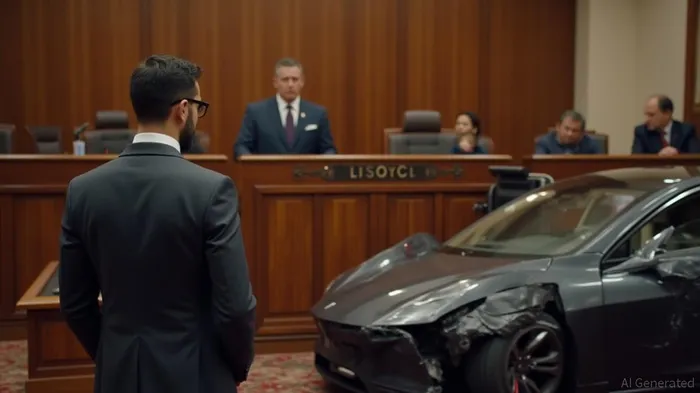
A Miami jury has ordered Tesla to pay $243 million in damages following a 2019 fatal crash involving the company's Autopilot system. The verdict, which comes after Tesla rejected a $60 million settlement offer, underscores the growing legal and regulatory scrutiny surrounding autonomous driving technology.The lawsuit, filed by the victim's family, alleged that Tesla misrepresented the capabilities of its Autopilot system, leading to the fatal crash. The jury found Tesla 33% liable for the accident, with the remaining 67% attributed to the driver. This verdict marks the first trial verdict against Tesla, as previous lawsuits involving Autopilot-related crashes have typically been settled out of court [1].
The ruling has significant implications for Tesla's self-driving ambitions and broader autonomous vehicle sector. Legal experts believe this case could "open the floodgates" to further litigation, with emboldened plaintiffs pursuing claims rather than accepting out-of-court settlements [2]. The verdict also highlights the potential financial and operational consequences Tesla may face due to its certified class action lawsuit in California.
Tesla has a history of settling Autopilot-related lawsuits, but the recent Key Largo case suggests that the company may face increased scrutiny and potential legal challenges in the future [2]. Additionally, a shareholder lawsuit accused Elon Musk of inflating the company's stock by exaggerating the readiness of its robotaxi program, further complicating Tesla's efforts to turn around its business [3].
The legal and regulatory challenges facing Tesla are not isolated incidents. The company faces similar proceedings globally, including fines for deceptive advertising in France and a class-action coalition over "phantom braking" incidents in Australia [2]. These cases focus on allegations that Tesla misled consumers about the nature and reliability of its self-driving technology, with some citing accidents and injuries caused while the system was engaged.
The recent verdict and ongoing legal challenges are significantly impacting Tesla's driverless car expansion plans. The company faces legal and reputational setbacks, shareholder concerns, and blurred lines of responsibility regarding liability for autonomous vehicle crashes. The $243 million verdict signals a paradigm shift that could set a legal precedent for manufacturer liability in autonomous technology-related collisions.
References:
[1] https://www.globenewswire.com/news-release/2025/08/12/3132080/9788/en/TSLA-INVESTOR-ALERT-Bronstein-Gewirtz-Grossman-LLC-Announces-that-Tesla-Investors-with-Substantial-Losses-Have-Opportunity-to-Lead-Class-Action-Lawsuit.html
[2] https://lasvegassun.com/news/2025/aug/21/tesla-autopilot-legal-issues-add-to-challenges-for/
[3] https://www.latimes.com/business/story/2025-08-19/tesla-robotaxi-shareholder-lawsuit
Divulgación editorial y transparencia de la IA: Ainvest News utiliza tecnología avanzada de Modelos de Lenguaje Largo (LLM) para sintetizar y analizar datos de mercado en tiempo real. Para garantizar los más altos estándares de integridad, cada artículo se somete a un riguroso proceso de verificación con participación humana.
Mientras la IA asiste en el procesamiento de datos y la redacción inicial, un miembro editorial profesional de Ainvest revisa, verifica y aprueba de forma independiente todo el contenido para garantizar su precisión y cumplimiento con los estándares editoriales de Ainvest Fintech Inc. Esta supervisión humana está diseñada para mitigar las alucinaciones de la IA y garantizar el contexto financiero.
Advertencia sobre inversiones: Este contenido se proporciona únicamente con fines informativos y no constituye asesoramiento profesional de inversión, legal o financiero. Los mercados conllevan riesgos inherentes. Se recomienda a los usuarios que realicen una investigación independiente o consulten a un asesor financiero certificado antes de tomar cualquier decisión. Ainvest Fintech Inc. se exime de toda responsabilidad por las acciones tomadas con base en esta información. ¿Encontró un error? Reportar un problema


SOBRE NOSOTROS
Nuestra historiaAutores de noticiasBase de conocimientosPolítica de privacidadTérmino de usoDescargo de responsabilidad de corretaje de tercerosTérminos de uso de AIMEDivulgaciones de riesgos de AInvest AICarrerasCONTÁCTENOS
Email: support@ainvest.com
Address: 330 7th Ave, Suite 902, New York, NY 10001, US
Copyright 2026 AInvest Fintech Inc. All rights reserved.


Comentarios
Aún no hay comentarios