
Tesla's Market Cap Drops Below $1 Trillion: What Went Wrong?
Generado por agente de IAWesley Park
martes, 25 de febrero de 2025, 4:00 pm ET1 min de lectura
TSLA--
Tesla's (TSLA) stock has taken a nosedive, with the company's market capitalization sinking below $1 trillion for the first time in three months. The electric vehicle (EV) giant's shares plummeted by more than 9% on Tuesday, February 25, 2025, pushing its valuation down to its lowest level since November 2024. So, what went wrong for the once-highflying EV maker?
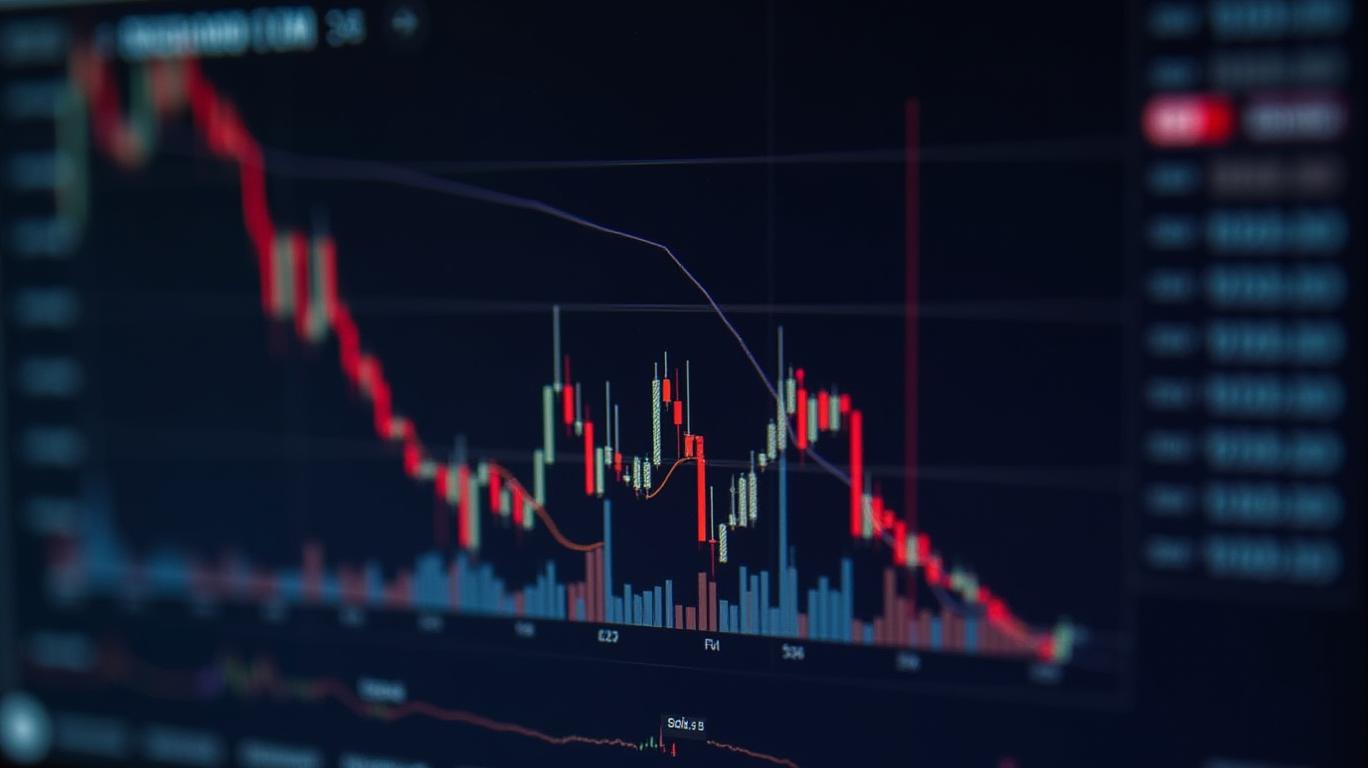
Firstly, Tesla's European sales have been struggling. In January 2025, the company's sales in Europe dropped by 45% compared to the same period last year, while overall EV sales in Europe increased by 37%. This stark contrast highlights the growing risk to Tesla's core car-selling business from CEO Elon Musk's political forays and increasing competition in the EV market.
Secondly, Musk's growing involvement in politics has been a concern for investors. His extremist political rhetoric and activism have led opponents in various markets to organize protests, including at Tesla stores and service centers. This negative publicity has likely contributed to the decline in Tesla's sales and stock price.
Thirdly, quality concerns and recall issues have also impacted Tesla's image and sales. In 2024, Tesla recalled over 362,000 vehicles in the U.S. due to various issues, including seat belt and parking brake problems. These recalls have eroded consumer confidence and negatively impacted the stock.
Lastly, competition from other EV makers has put pressure on Tesla's market share and stock price. Established automakers and new EV startups have been increasingly competitive, offering more affordable and feature-rich electric vehicles. This competition has made it more challenging for Tesla to maintain its dominance in the EV market.
In conclusion, Tesla's market cap sinking below $1 trillion is a result of a combination of factors, including weak European sales, Elon Musk's political involvement, quality concerns, and increasing competition in the EV market. To reverse this trend, Tesla must address these issues and focus on innovating and improving its products, strengthening its brand image, and expanding its market reach. Only time will tell if Tesla can bounce back from this setback and regain its position as the leading EV maker.
Tesla's (TSLA) stock has taken a nosedive, with the company's market capitalization sinking below $1 trillion for the first time in three months. The electric vehicle (EV) giant's shares plummeted by more than 9% on Tuesday, February 25, 2025, pushing its valuation down to its lowest level since November 2024. So, what went wrong for the once-highflying EV maker?
Firstly, Tesla's European sales have been struggling. In January 2025, the company's sales in Europe dropped by 45% compared to the same period last year, while overall EV sales in Europe increased by 37%. This stark contrast highlights the growing risk to Tesla's core car-selling business from CEO Elon Musk's political forays and increasing competition in the EV market.
Secondly, Musk's growing involvement in politics has been a concern for investors. His extremist political rhetoric and activism have led opponents in various markets to organize protests, including at Tesla stores and service centers. This negative publicity has likely contributed to the decline in Tesla's sales and stock price.
Thirdly, quality concerns and recall issues have also impacted Tesla's image and sales. In 2024, Tesla recalled over 362,000 vehicles in the U.S. due to various issues, including seat belt and parking brake problems. These recalls have eroded consumer confidence and negatively impacted the stock.
Lastly, competition from other EV makers has put pressure on Tesla's market share and stock price. Established automakers and new EV startups have been increasingly competitive, offering more affordable and feature-rich electric vehicles. This competition has made it more challenging for Tesla to maintain its dominance in the EV market.
In conclusion, Tesla's market cap sinking below $1 trillion is a result of a combination of factors, including weak European sales, Elon Musk's political involvement, quality concerns, and increasing competition in the EV market. To reverse this trend, Tesla must address these issues and focus on innovating and improving its products, strengthening its brand image, and expanding its market reach. Only time will tell if Tesla can bounce back from this setback and regain its position as the leading EV maker.



Divulgación editorial y transparencia de la IA: Ainvest News utiliza tecnología avanzada de Modelos de Lenguaje Largo (LLM) para sintetizar y analizar datos de mercado en tiempo real. Para garantizar los más altos estándares de integridad, cada artículo se somete a un riguroso proceso de verificación con participación humana.
Mientras la IA asiste en el procesamiento de datos y la redacción inicial, un miembro editorial profesional de Ainvest revisa, verifica y aprueba de forma independiente todo el contenido para garantizar su precisión y cumplimiento con los estándares editoriales de Ainvest Fintech Inc. Esta supervisión humana está diseñada para mitigar las alucinaciones de la IA y garantizar el contexto financiero.
Advertencia sobre inversiones: Este contenido se proporciona únicamente con fines informativos y no constituye asesoramiento profesional de inversión, legal o financiero. Los mercados conllevan riesgos inherentes. Se recomienda a los usuarios que realicen una investigación independiente o consulten a un asesor financiero certificado antes de tomar cualquier decisión. Ainvest Fintech Inc. se exime de toda responsabilidad por las acciones tomadas con base en esta información. ¿Encontró un error? Reportar un problema


SOBRE NOSOTROS
Nuestra historiaAutores de noticiasBase de conocimientosPolítica de privacidadTérmino de usoDescargo de responsabilidad de corretaje de tercerosTérminos de uso de AIMEDivulgaciones de riesgos de AInvest AICarrerasCONTÁCTENOS
Email: support@ainvest.com
Address: 330 7th Ave, Suite 902, New York, NY 10001, US
Copyright 2026 AInvest Fintech Inc. All rights reserved.


Comentarios
Aún no hay comentarios