
Tesla's Latest Recall: A Blip or a Sign of Bigger Issues?
Generado por agente de IAWesley Park
viernes, 10 de enero de 2025, 11:22 am ET1 min de lectura
TSLA--
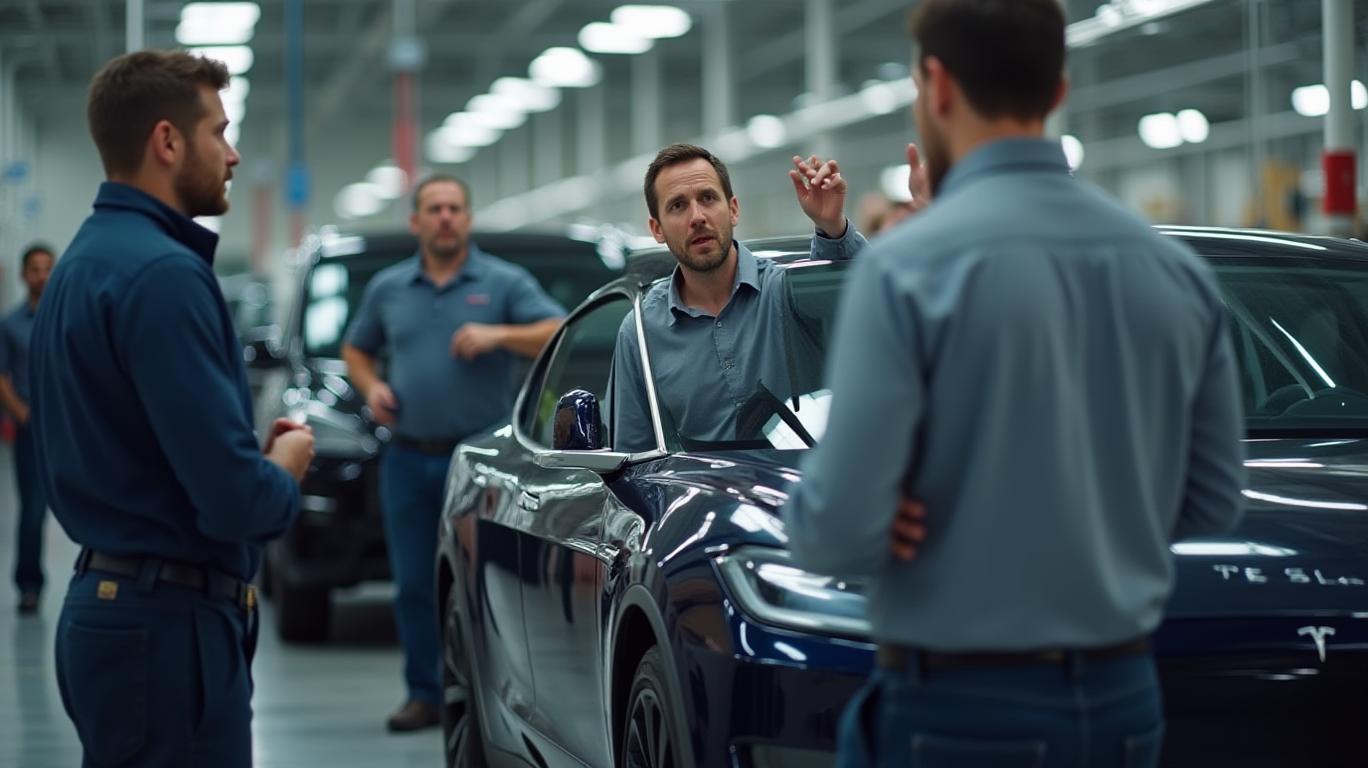
Tesla, the electric vehicle (EV) giant, has found itself in the spotlight once again, this time due to a recall affecting nearly 239,000 cars in the U.S. The issue at hand? A rear-view camera fault that could potentially leave drivers in the dark, both literally and figuratively. But is this just a minor hiccup, or is it a sign of bigger problems brewing under the hood?
First, let's take a look at the numbers. The recall, which was announced on March 15, 2024, affects various models, including the 2023-25 Model X and Model Y, as well as the 2024-25 Model 3 and Model S. The problem lies in a short circuit in the computer board of the car, which might stop the camera from operating during power-up, particularly in cooler temperatures and specific hardware and software setups. Tesla has since released a software update to reduce the short circuit danger and will replace impacted computer boards in vehicles where hardware problems persist.
Now, let's address the elephant in the room. This isn't Tesla's first rodeo when it comes to recalls. In fact, the company has had over 60 recalls in its history, with the Model S alone accounting for 32 of them. This begs the question: Is Tesla's focus on getting cars to market rather than ensuring they're perfect for consumers at release coming back to bite them?
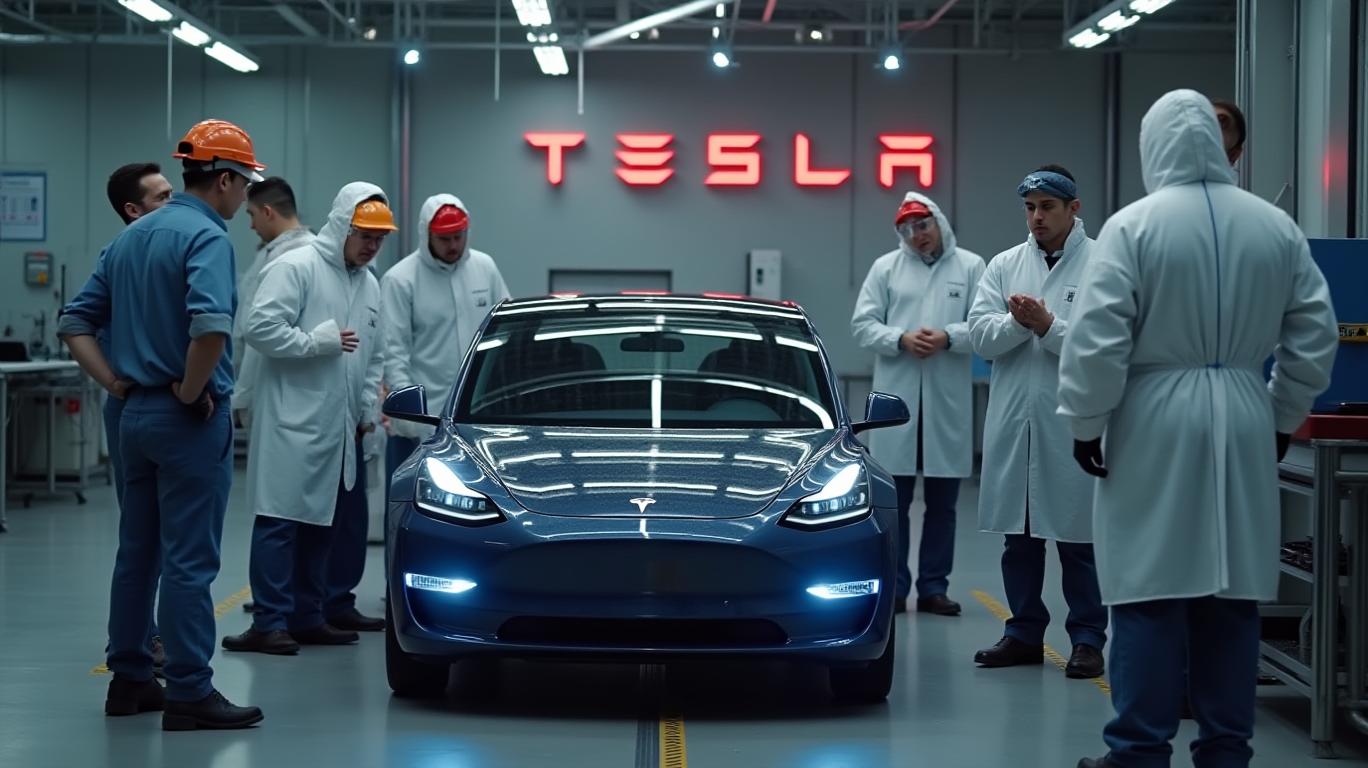
On one hand, Tesla's innovative approach to the EV market has been nothing short of revolutionary. The company has consistently pushed the boundaries of what's possible, both in terms of technology and sustainability. On the other hand, the sheer number of recalls suggests that quality control might not be Tesla's strongest suit.
As investors, we must weigh the potential impact of this recall on Tesla's short-term financial performance and long-term brand reputation. While the recall is estimated to cost around $600 million, Tesla's ability to address these issues through over-the-air software updates and remote upgrades may mitigate some of the financial impact. However, the repeated recalls and safety issues could lead to a decrease in consumer confidence, both in China and globally, potentially impacting sales.
In conclusion, Tesla's latest recall is a reminder that even the most innovative companies can face challenges when it comes to quality control. As investors, we must stay vigilant and monitor the company's ability to manage these issues and maintain consumer trust. While this recall may be just a blip in the grand scheme of things, it's essential to keep an eye on the bigger picture and consider the potential long-term effects on Tesla's brand reputation and consumer confidence.
Stay informed, stay invested, and always remember to do your own research.
X--
Tesla, the electric vehicle (EV) giant, has found itself in the spotlight once again, this time due to a recall affecting nearly 239,000 cars in the U.S. The issue at hand? A rear-view camera fault that could potentially leave drivers in the dark, both literally and figuratively. But is this just a minor hiccup, or is it a sign of bigger problems brewing under the hood?
First, let's take a look at the numbers. The recall, which was announced on March 15, 2024, affects various models, including the 2023-25 Model X and Model Y, as well as the 2024-25 Model 3 and Model S. The problem lies in a short circuit in the computer board of the car, which might stop the camera from operating during power-up, particularly in cooler temperatures and specific hardware and software setups. Tesla has since released a software update to reduce the short circuit danger and will replace impacted computer boards in vehicles where hardware problems persist.
Now, let's address the elephant in the room. This isn't Tesla's first rodeo when it comes to recalls. In fact, the company has had over 60 recalls in its history, with the Model S alone accounting for 32 of them. This begs the question: Is Tesla's focus on getting cars to market rather than ensuring they're perfect for consumers at release coming back to bite them?
On one hand, Tesla's innovative approach to the EV market has been nothing short of revolutionary. The company has consistently pushed the boundaries of what's possible, both in terms of technology and sustainability. On the other hand, the sheer number of recalls suggests that quality control might not be Tesla's strongest suit.
As investors, we must weigh the potential impact of this recall on Tesla's short-term financial performance and long-term brand reputation. While the recall is estimated to cost around $600 million, Tesla's ability to address these issues through over-the-air software updates and remote upgrades may mitigate some of the financial impact. However, the repeated recalls and safety issues could lead to a decrease in consumer confidence, both in China and globally, potentially impacting sales.
In conclusion, Tesla's latest recall is a reminder that even the most innovative companies can face challenges when it comes to quality control. As investors, we must stay vigilant and monitor the company's ability to manage these issues and maintain consumer trust. While this recall may be just a blip in the grand scheme of things, it's essential to keep an eye on the bigger picture and consider the potential long-term effects on Tesla's brand reputation and consumer confidence.
Stay informed, stay invested, and always remember to do your own research.

Divulgación editorial y transparencia de la IA: Ainvest News utiliza tecnología avanzada de Modelos de Lenguaje Largo (LLM) para sintetizar y analizar datos de mercado en tiempo real. Para garantizar los más altos estándares de integridad, cada artículo se somete a un riguroso proceso de verificación con participación humana.
Mientras la IA asiste en el procesamiento de datos y la redacción inicial, un miembro editorial profesional de Ainvest revisa, verifica y aprueba de forma independiente todo el contenido para garantizar su precisión y cumplimiento con los estándares editoriales de Ainvest Fintech Inc. Esta supervisión humana está diseñada para mitigar las alucinaciones de la IA y garantizar el contexto financiero.
Advertencia sobre inversiones: Este contenido se proporciona únicamente con fines informativos y no constituye asesoramiento profesional de inversión, legal o financiero. Los mercados conllevan riesgos inherentes. Se recomienda a los usuarios que realicen una investigación independiente o consulten a un asesor financiero certificado antes de tomar cualquier decisión. Ainvest Fintech Inc. se exime de toda responsabilidad por las acciones tomadas con base en esta información. ¿Encontró un error? Reportar un problema




Comentarios
Aún no hay comentarios