
Tesla Halts Orders in China: A Game-Changer or a Strategic Shift?
Generado por agente de IAWesley Park
viernes, 11 de abril de 2025, 7:48 am ET2 min de lectura
TSLA--
Ladies and gentlemen, buckleBKE-- up! TeslaTSLA-- has just pulled a major move in the electric vehicle (EV) market. The company has stopped taking orders for its high-end Model S sedan and Model X SUV in China. This isn't just a blip on the radar; it's a seismic shift that could reshape the EV landscape. Let's dive in and see what this means for Tesla and the market as a whole.
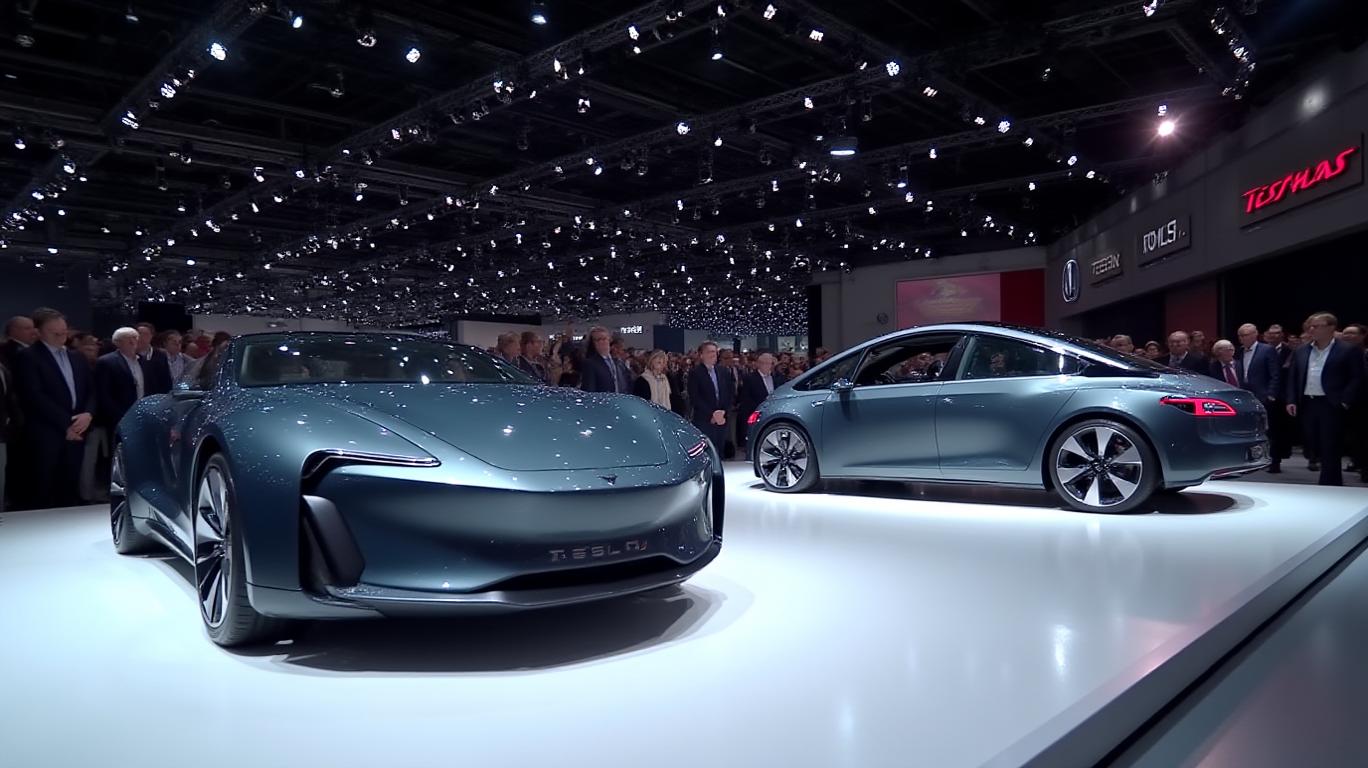
First things first, why is Tesla doing this? The answer lies in the ongoing trade dispute between the United States and China. China has slapped an 84% tariff on American imports, making the Model S and Model X prohibitively expensive for Chinese buyers. This is a game-changer, folks! Tesla's high-end models are now out of reach for many in the Chinese market, and this could have significant implications for the company's market share and revenue in the region.
But here's the thing: Tesla's decision to stop taking orders for these models in China is not just about the tariffs. It's also about strategy. The Model S and Model X contribute a smaller portion to Tesla's overall sales figures. In the first quarter of 2025, Tesla delivered a total of 336,681 vehicles worldwide, with the more affordable Model 3 and Model Y accounting for 96% of these deliveries. The combined deliveries of the Model S, Model X, and the Cybertruck electric pickup amounted to just 12,881 vehicles during the same period. This indicates that the Model S and Model X are not significant contributors to Tesla's overall sales, and their absence from the Chinese market is unlikely to have a drastic impact on Tesla's global revenue.
So, what's next for Tesla? The company could consider several strategic alternatives to mitigate the effects of the trade dispute and maintain its presence in the Chinese market. One option is to increase local production in China. By producing more vehicles locally, Tesla can avoid the high import tariffs that have made the Model S and Model X prohibitively expensive for Chinese buyers. Another option is to adjust its pricing strategies to make the Model S and Model X more affordable for Chinese consumers. Tesla could also introduce more affordable models or variants of the Model S and Model X that are specifically designed for the Chinese market. This could help attract a broader range of consumers who are price-sensitive.
But here's the kicker: Tesla's decision to stop taking orders for the Model S and Model X in China could also be a sign of a broader strategic shift for these particular EV models. The company has also stopped taking orders for new Model S and Model X vehicles in Japan starting on March 31. This simultaneous action in another major Asian market suggests that Tesla might be rethinking its strategy for these models.
So, what does this mean for investors? Tesla's stock price has been on a rollercoaster ride in recent months, and this latest development could add to the volatility. But here's the thing: Tesla is still the king of the EV market, and its more affordable models, like the Model 3 and Model Y, continue to be popular with consumers. The company's decision to stop taking orders for the Model S and Model X in China is a strategic move, and it could pay off in the long run.
In conclusion, Tesla's decision to stop taking orders for the Model S and Model X in China is a game-changer, but it's also a strategic move. The company is rethinking its strategy for these models, and it could pay off in the long run. So, stay tuned, folks! The EV market is heating up, and Tesla is at the center of it all.
Ladies and gentlemen, buckleBKE-- up! TeslaTSLA-- has just pulled a major move in the electric vehicle (EV) market. The company has stopped taking orders for its high-end Model S sedan and Model X SUV in China. This isn't just a blip on the radar; it's a seismic shift that could reshape the EV landscape. Let's dive in and see what this means for Tesla and the market as a whole.
First things first, why is Tesla doing this? The answer lies in the ongoing trade dispute between the United States and China. China has slapped an 84% tariff on American imports, making the Model S and Model X prohibitively expensive for Chinese buyers. This is a game-changer, folks! Tesla's high-end models are now out of reach for many in the Chinese market, and this could have significant implications for the company's market share and revenue in the region.
But here's the thing: Tesla's decision to stop taking orders for these models in China is not just about the tariffs. It's also about strategy. The Model S and Model X contribute a smaller portion to Tesla's overall sales figures. In the first quarter of 2025, Tesla delivered a total of 336,681 vehicles worldwide, with the more affordable Model 3 and Model Y accounting for 96% of these deliveries. The combined deliveries of the Model S, Model X, and the Cybertruck electric pickup amounted to just 12,881 vehicles during the same period. This indicates that the Model S and Model X are not significant contributors to Tesla's overall sales, and their absence from the Chinese market is unlikely to have a drastic impact on Tesla's global revenue.
So, what's next for Tesla? The company could consider several strategic alternatives to mitigate the effects of the trade dispute and maintain its presence in the Chinese market. One option is to increase local production in China. By producing more vehicles locally, Tesla can avoid the high import tariffs that have made the Model S and Model X prohibitively expensive for Chinese buyers. Another option is to adjust its pricing strategies to make the Model S and Model X more affordable for Chinese consumers. Tesla could also introduce more affordable models or variants of the Model S and Model X that are specifically designed for the Chinese market. This could help attract a broader range of consumers who are price-sensitive.
But here's the kicker: Tesla's decision to stop taking orders for the Model S and Model X in China could also be a sign of a broader strategic shift for these particular EV models. The company has also stopped taking orders for new Model S and Model X vehicles in Japan starting on March 31. This simultaneous action in another major Asian market suggests that Tesla might be rethinking its strategy for these models.
So, what does this mean for investors? Tesla's stock price has been on a rollercoaster ride in recent months, and this latest development could add to the volatility. But here's the thing: Tesla is still the king of the EV market, and its more affordable models, like the Model 3 and Model Y, continue to be popular with consumers. The company's decision to stop taking orders for the Model S and Model X in China is a strategic move, and it could pay off in the long run.
In conclusion, Tesla's decision to stop taking orders for the Model S and Model X in China is a game-changer, but it's also a strategic move. The company is rethinking its strategy for these models, and it could pay off in the long run. So, stay tuned, folks! The EV market is heating up, and Tesla is at the center of it all.

Divulgación editorial y transparencia de la IA: Ainvest News utiliza tecnología avanzada de Modelos de Lenguaje Largo (LLM) para sintetizar y analizar datos de mercado en tiempo real. Para garantizar los más altos estándares de integridad, cada artículo se somete a un riguroso proceso de verificación con participación humana.
Mientras la IA asiste en el procesamiento de datos y la redacción inicial, un miembro editorial profesional de Ainvest revisa, verifica y aprueba de forma independiente todo el contenido para garantizar su precisión y cumplimiento con los estándares editoriales de Ainvest Fintech Inc. Esta supervisión humana está diseñada para mitigar las alucinaciones de la IA y garantizar el contexto financiero.
Advertencia sobre inversiones: Este contenido se proporciona únicamente con fines informativos y no constituye asesoramiento profesional de inversión, legal o financiero. Los mercados conllevan riesgos inherentes. Se recomienda a los usuarios que realicen una investigación independiente o consulten a un asesor financiero certificado antes de tomar cualquier decisión. Ainvest Fintech Inc. se exime de toda responsabilidad por las acciones tomadas con base en esta información. ¿Encontró un error? Reportar un problema




Comentarios
Aún no hay comentarios