
Tesla's Future Under Trump: Weighing AI Potential Against Slowing EV Demand
Generado por agente de IAWesley Park
domingo, 26 de enero de 2025, 10:23 am ET2 min de lectura
TSLA--
As the dust settles on the 2024 U.S. presidential election, the automotive world is abuzz with speculation about the impact of President Trump's return to the White House on electric vehicle (EV) market leader Tesla (TSLA). While Trump's policies on environmental regulations and trade could have both positive and negative effects on Tesla's production costs and sales, the company's significant investment in AI and autonomous vehicle technology could also influence its competitive position in the market. In this article, we will explore the potential impacts of Trump's presidency on Tesla's future, focusing on the company's AI initiatives and the potential slowdown in EV demand.
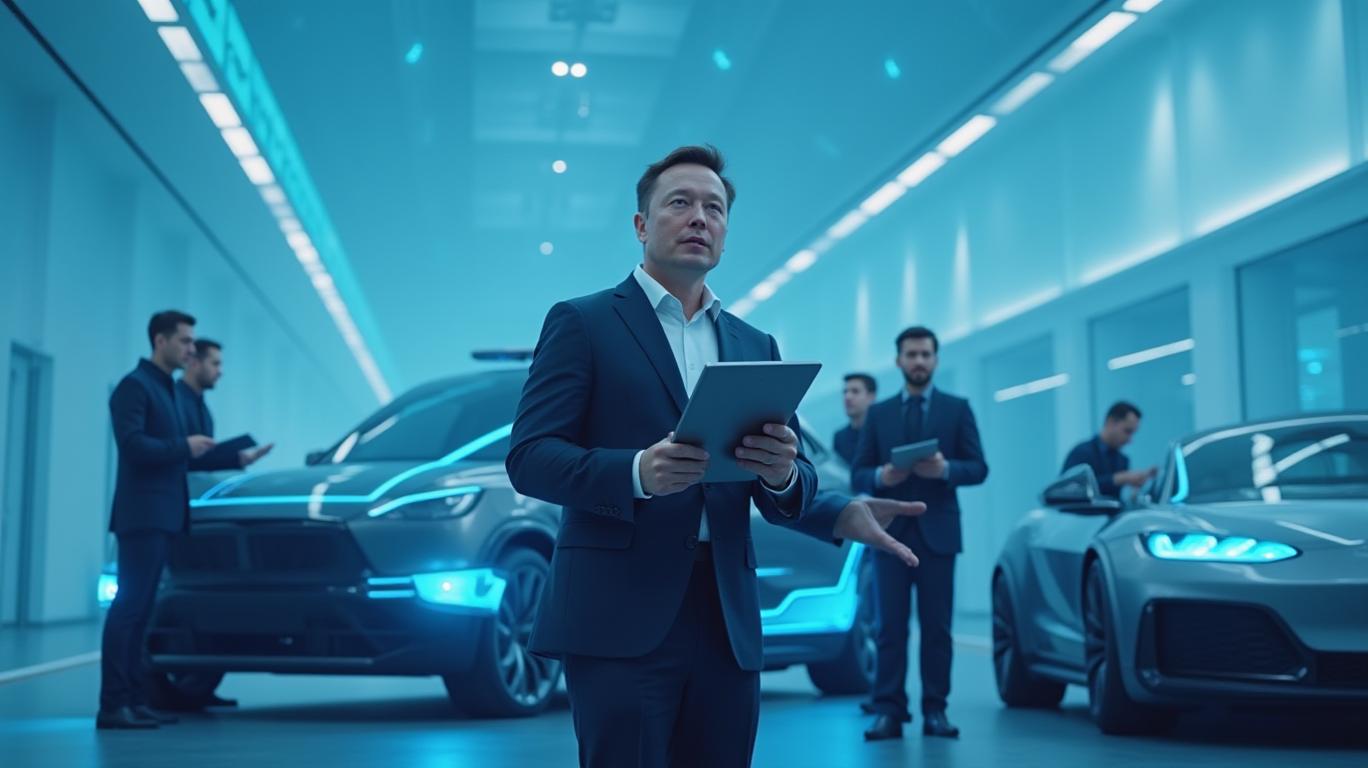
Tesla's AI and autonomous vehicle initiatives have been a significant driver of the company's success and innovation. The company's Full Self-Driving (FSD) technology, which is currently available in a supervised capacity, is expected to transition to unsupervised operation in select states by next year. Musk has promised ride-hailing robotaxis in Texas and California, and a few other states by next year, pending regulatory approval. The Cybercab, a $30,000 two-seater devoid of steering wheels and pedals, is expected to be launched in 2026, further cementing Tesla's entry into the autonomous vehicle market.
Trump's push for a streamlined federal framework for autonomous vehicles could remove significant hurdles that have hampered Tesla's rollout of FSD technology. Musk's appointment as co-leader of the Department of Government Efficiency (DOGE) could secure a pathway for Tesla's innovative goals without excessive regulatory red tape. However, Trump's pro-tariff stance could hit Tesla's sales in China, which is a major market for the company. Additionally, Trump's less green-focused initiatives could potentially slow down the overall adoption of electric vehicles and autonomous technology, which could indirectly impact Tesla's competitive position.
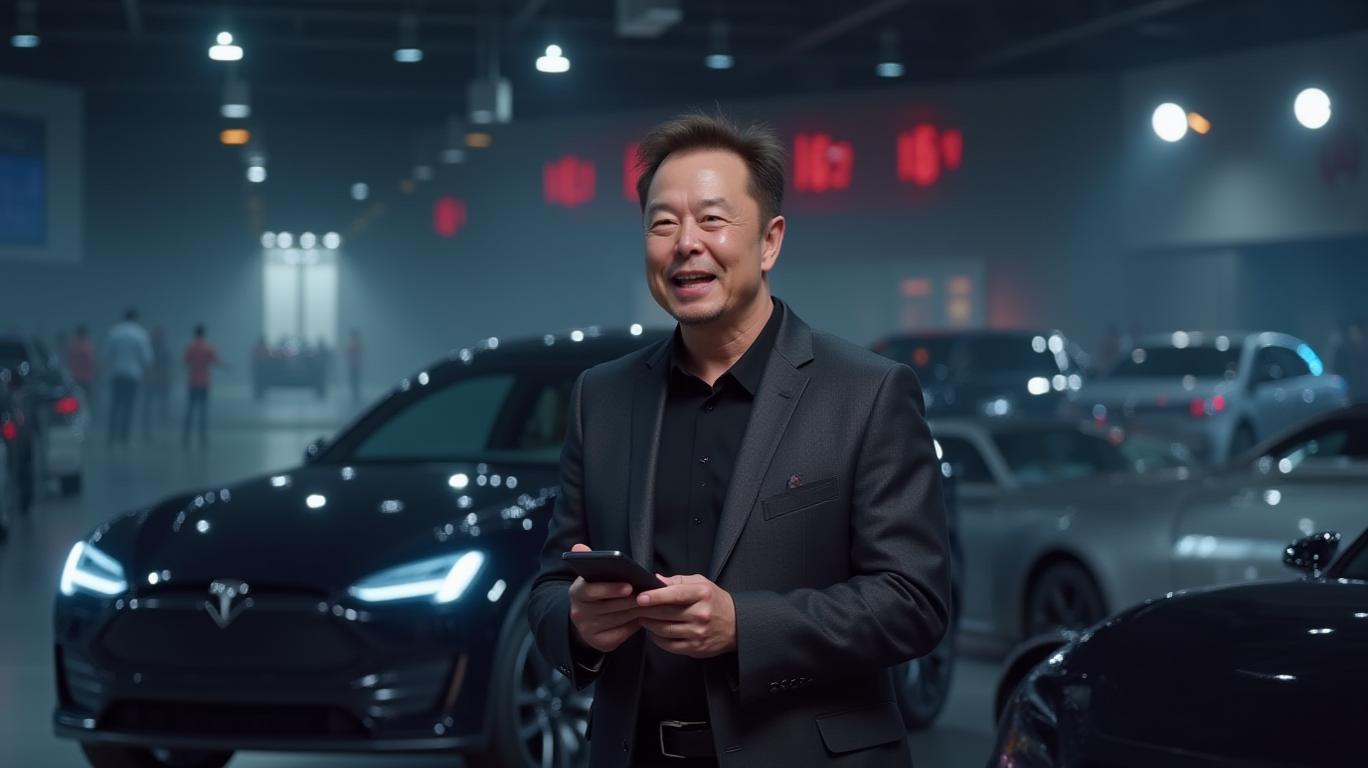
To mitigate the potential slowdown in EV demand under a Trump administration, Tesla can consider several strategic moves. Diversifying its product portfolio by introducing new, more affordable models like the Model 2 can help the company tap into the growing demand for entry-level EVs and maintain its market share. Expanding its global presence in international markets, particularly in Europe and Asia, can help Tesla reduce its dependence on the U.S. market and offset any potential slowdown in U.S. EV demand due to Trump's policies. Investing in battery technology and cost reduction can help Tesla maintain its competitive edge in the EV market and make its vehicles more affordable, thereby attracting more customers.
In conclusion, President Trump's return to the White House could have both positive and negative impacts on Tesla's future, particularly in the realm of AI development and regulation. While Trump's policies could remove regulatory hurdles and accelerate the deployment of Tesla's robotaxi network, they could also slow down the overall adoption of electric vehicles and autonomous technology, impacting Tesla's competitive position. To mitigate the potential slowdown in EV demand under a Trump administration, Tesla can consider diversifying its product portfolio, expanding its global presence, and investing in battery technology and cost reduction. By implementing these strategic moves, Tesla can maintain its market share and growth trajectory in the face of potential challenges posed by Trump's presidency.
As the dust settles on the 2024 U.S. presidential election, the automotive world is abuzz with speculation about the impact of President Trump's return to the White House on electric vehicle (EV) market leader Tesla (TSLA). While Trump's policies on environmental regulations and trade could have both positive and negative effects on Tesla's production costs and sales, the company's significant investment in AI and autonomous vehicle technology could also influence its competitive position in the market. In this article, we will explore the potential impacts of Trump's presidency on Tesla's future, focusing on the company's AI initiatives and the potential slowdown in EV demand.
Tesla's AI and autonomous vehicle initiatives have been a significant driver of the company's success and innovation. The company's Full Self-Driving (FSD) technology, which is currently available in a supervised capacity, is expected to transition to unsupervised operation in select states by next year. Musk has promised ride-hailing robotaxis in Texas and California, and a few other states by next year, pending regulatory approval. The Cybercab, a $30,000 two-seater devoid of steering wheels and pedals, is expected to be launched in 2026, further cementing Tesla's entry into the autonomous vehicle market.
Trump's push for a streamlined federal framework for autonomous vehicles could remove significant hurdles that have hampered Tesla's rollout of FSD technology. Musk's appointment as co-leader of the Department of Government Efficiency (DOGE) could secure a pathway for Tesla's innovative goals without excessive regulatory red tape. However, Trump's pro-tariff stance could hit Tesla's sales in China, which is a major market for the company. Additionally, Trump's less green-focused initiatives could potentially slow down the overall adoption of electric vehicles and autonomous technology, which could indirectly impact Tesla's competitive position.
To mitigate the potential slowdown in EV demand under a Trump administration, Tesla can consider several strategic moves. Diversifying its product portfolio by introducing new, more affordable models like the Model 2 can help the company tap into the growing demand for entry-level EVs and maintain its market share. Expanding its global presence in international markets, particularly in Europe and Asia, can help Tesla reduce its dependence on the U.S. market and offset any potential slowdown in U.S. EV demand due to Trump's policies. Investing in battery technology and cost reduction can help Tesla maintain its competitive edge in the EV market and make its vehicles more affordable, thereby attracting more customers.
In conclusion, President Trump's return to the White House could have both positive and negative impacts on Tesla's future, particularly in the realm of AI development and regulation. While Trump's policies could remove regulatory hurdles and accelerate the deployment of Tesla's robotaxi network, they could also slow down the overall adoption of electric vehicles and autonomous technology, impacting Tesla's competitive position. To mitigate the potential slowdown in EV demand under a Trump administration, Tesla can consider diversifying its product portfolio, expanding its global presence, and investing in battery technology and cost reduction. By implementing these strategic moves, Tesla can maintain its market share and growth trajectory in the face of potential challenges posed by Trump's presidency.

Divulgación editorial y transparencia de la IA: Ainvest News utiliza tecnología avanzada de Modelos de Lenguaje Largo (LLM) para sintetizar y analizar datos de mercado en tiempo real. Para garantizar los más altos estándares de integridad, cada artículo se somete a un riguroso proceso de verificación con participación humana.
Mientras la IA asiste en el procesamiento de datos y la redacción inicial, un miembro editorial profesional de Ainvest revisa, verifica y aprueba de forma independiente todo el contenido para garantizar su precisión y cumplimiento con los estándares editoriales de Ainvest Fintech Inc. Esta supervisión humana está diseñada para mitigar las alucinaciones de la IA y garantizar el contexto financiero.
Advertencia sobre inversiones: Este contenido se proporciona únicamente con fines informativos y no constituye asesoramiento profesional de inversión, legal o financiero. Los mercados conllevan riesgos inherentes. Se recomienda a los usuarios que realicen una investigación independiente o consulten a un asesor financiero certificado antes de tomar cualquier decisión. Ainvest Fintech Inc. se exime de toda responsabilidad por las acciones tomadas con base en esta información. ¿Encontró un error? Reportar un problema


SOBRE NOSOTROS
Nuestra historiaAutores de noticiasBase de conocimientosPolítica de privacidadTérmino de usoDescargo de responsabilidad de corretaje de tercerosTérminos de uso de AIMEDivulgaciones de riesgos de AInvest AICarrerasCONTÁCTENOS
Email: support@ainvest.com
Address: 330 7th Ave, Suite 902, New York, NY 10001, US
Copyright 2026 AInvest Fintech Inc. All rights reserved.


Comentarios
Aún no hay comentarios