
Tesla's Self-Driving Ambitions in China: A Trade War Quandary
Generado por agente de IAWesley Park
martes, 18 de febrero de 2025, 4:02 am ET2 min de lectura
TSLA--
Elon Musk, the visionary CEO of Tesla, has always been bullish on the company's self-driving capabilities. However, the ongoing US-China trade war has thrown a wrench into Tesla's plans for China, with Musk himself admitting that the situation is "a bit of a quandary." As the trade war heats up, Tesla's self-driving ambitions in China are at risk, and investors should take note of the potential implications.
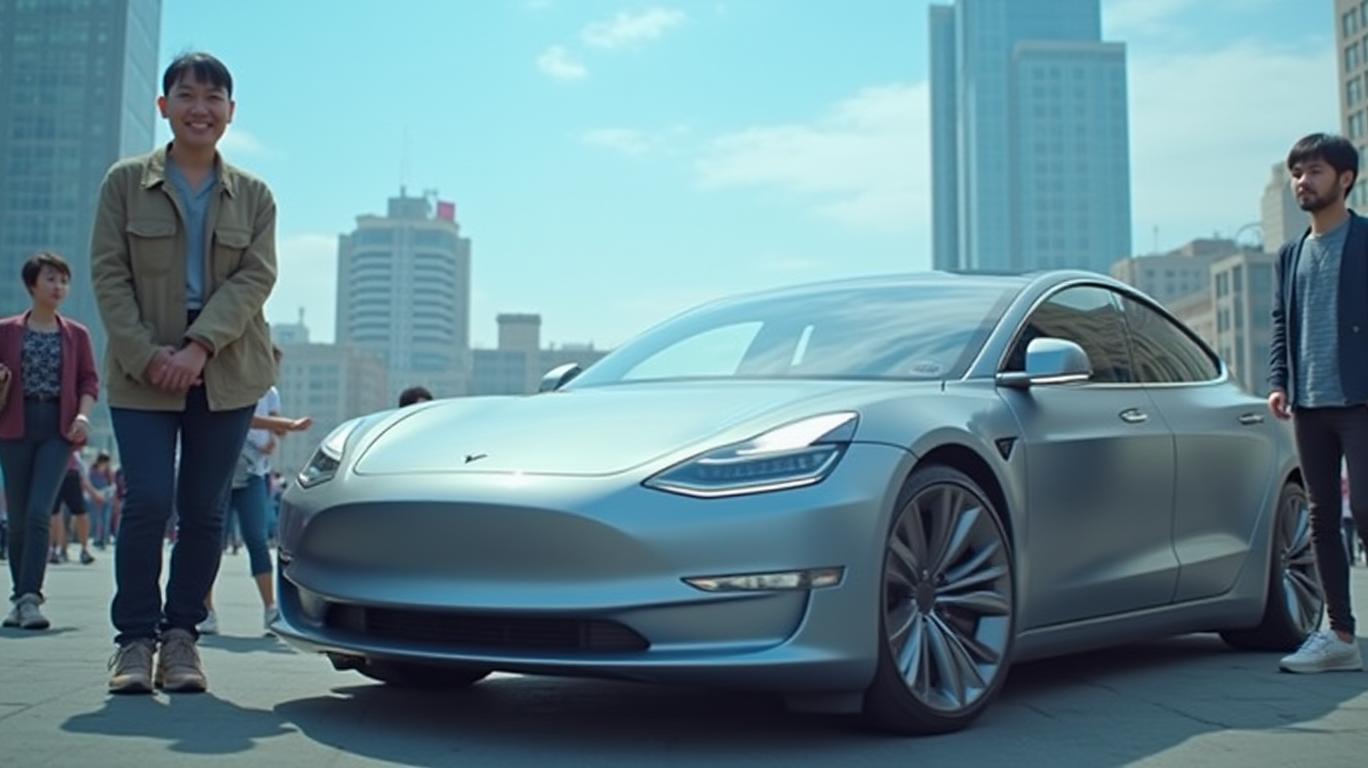
The US-China trade war has been a contentious issue for several years now, with both countries imposing tariffs on each other's goods. In 2025, President Trump announced a 25% tariff on imports from Mexico and Canada, a 10% tariff on energy resources from Canada, and an additional 10% tariff on imports from China. In response, Canada imposed a 25% tariff on $30 billion worth of goods imported from the US, with plans to levy further tariffs on $85 billion worth of US imports.
Tesla, with its significant presence in China, is not immune to the effects of the trade war. The company's Shanghai Gigafactory, which accounts for more than half of Tesla's global deliveries, is at risk of being caught in the crossfire. In addition, the proposed 100% tariff on Tesla cars by Canadian officials, led by Chrystia Freeland, could further hinder the company's sales in the region.
Musk has been vocal about his concerns regarding the trade war's impact on Tesla's operations in China. During Tesla's earnings call in 2024, he stated that data transfer restrictions between the two nations were hindering the company's ability to develop and deploy its Full Self-Driving (FSD) system in China. He also mentioned that the US government was not allowing Tesla to train its system in China, creating a "quandary" for the company.
Tesla's competitors, such as BYD, could capitalize on any setbacks in Tesla's FSD approval process in China. BYD has already made significant strides in the electric vehicle (EV) market, with its "God's Eye" advanced driver assistance system rolled out across all its models in 2023. If Tesla's FSD approval is further delayed or denied, BYD could gain a competitive edge in the Chinese market.
To maintain its competitive edge, Tesla could consider several strategic moves. First, the company could lobby for favorable regulations regarding FSD approval in China. Musk's close ties with the Trump administration could be an asset in this regard. Additionally, Tesla could invest in local partnerships with Chinese companies to ensure a steady supply of components and gain insights into the local market. Expanding its product offerings to cater to the unique preferences of Chinese consumers could also help Tesla maintain its market share.
In conclusion, the ongoing US-China trade war has created a "quandary" for Tesla's self-driving ambitions in China. As the trade war heats up, investors should be aware of the potential implications for Tesla's global operations and stock price. While Tesla's competitors, such as BYD, could capitalize on any setbacks in Tesla's FSD approval process, the company could also take strategic moves to maintain its competitive edge in the Chinese market. As the situation unfolds, investors should keep a close eye on the developments in the US-China trade war and its impact on Tesla's operations in China.
Elon Musk, the visionary CEO of Tesla, has always been bullish on the company's self-driving capabilities. However, the ongoing US-China trade war has thrown a wrench into Tesla's plans for China, with Musk himself admitting that the situation is "a bit of a quandary." As the trade war heats up, Tesla's self-driving ambitions in China are at risk, and investors should take note of the potential implications.
The US-China trade war has been a contentious issue for several years now, with both countries imposing tariffs on each other's goods. In 2025, President Trump announced a 25% tariff on imports from Mexico and Canada, a 10% tariff on energy resources from Canada, and an additional 10% tariff on imports from China. In response, Canada imposed a 25% tariff on $30 billion worth of goods imported from the US, with plans to levy further tariffs on $85 billion worth of US imports.
Tesla, with its significant presence in China, is not immune to the effects of the trade war. The company's Shanghai Gigafactory, which accounts for more than half of Tesla's global deliveries, is at risk of being caught in the crossfire. In addition, the proposed 100% tariff on Tesla cars by Canadian officials, led by Chrystia Freeland, could further hinder the company's sales in the region.
Musk has been vocal about his concerns regarding the trade war's impact on Tesla's operations in China. During Tesla's earnings call in 2024, he stated that data transfer restrictions between the two nations were hindering the company's ability to develop and deploy its Full Self-Driving (FSD) system in China. He also mentioned that the US government was not allowing Tesla to train its system in China, creating a "quandary" for the company.
Tesla's competitors, such as BYD, could capitalize on any setbacks in Tesla's FSD approval process in China. BYD has already made significant strides in the electric vehicle (EV) market, with its "God's Eye" advanced driver assistance system rolled out across all its models in 2023. If Tesla's FSD approval is further delayed or denied, BYD could gain a competitive edge in the Chinese market.
To maintain its competitive edge, Tesla could consider several strategic moves. First, the company could lobby for favorable regulations regarding FSD approval in China. Musk's close ties with the Trump administration could be an asset in this regard. Additionally, Tesla could invest in local partnerships with Chinese companies to ensure a steady supply of components and gain insights into the local market. Expanding its product offerings to cater to the unique preferences of Chinese consumers could also help Tesla maintain its market share.
In conclusion, the ongoing US-China trade war has created a "quandary" for Tesla's self-driving ambitions in China. As the trade war heats up, investors should be aware of the potential implications for Tesla's global operations and stock price. While Tesla's competitors, such as BYD, could capitalize on any setbacks in Tesla's FSD approval process, the company could also take strategic moves to maintain its competitive edge in the Chinese market. As the situation unfolds, investors should keep a close eye on the developments in the US-China trade war and its impact on Tesla's operations in China.



Divulgación editorial y transparencia de la IA: Ainvest News utiliza tecnología avanzada de Modelos de Lenguaje Largo (LLM) para sintetizar y analizar datos de mercado en tiempo real. Para garantizar los más altos estándares de integridad, cada artículo se somete a un riguroso proceso de verificación con participación humana.
Mientras la IA asiste en el procesamiento de datos y la redacción inicial, un miembro editorial profesional de Ainvest revisa, verifica y aprueba de forma independiente todo el contenido para garantizar su precisión y cumplimiento con los estándares editoriales de Ainvest Fintech Inc. Esta supervisión humana está diseñada para mitigar las alucinaciones de la IA y garantizar el contexto financiero.
Advertencia sobre inversiones: Este contenido se proporciona únicamente con fines informativos y no constituye asesoramiento profesional de inversión, legal o financiero. Los mercados conllevan riesgos inherentes. Se recomienda a los usuarios que realicen una investigación independiente o consulten a un asesor financiero certificado antes de tomar cualquier decisión. Ainvest Fintech Inc. se exime de toda responsabilidad por las acciones tomadas con base en esta información. ¿Encontró un error? Reportar un problema


SOBRE NOSOTROS
Nuestra historiaAutores de noticiasBase de conocimientosPolítica de privacidadTérmino de usoDescargo de responsabilidad de corretaje de tercerosTérminos de uso de AIMEDivulgaciones de riesgos de AInvest AICarrerasCONTÁCTENOS
Email: support@ainvest.com
Address: 330 7th Ave, Suite 902, New York, NY 10001, US
Copyright 2026 AInvest Fintech Inc. All rights reserved.


Comentarios
Aún no hay comentarios