
Tesla's Door Design Flaws: A Growing Threat to Safety, Regulatory Compliance, and Investor Confidence
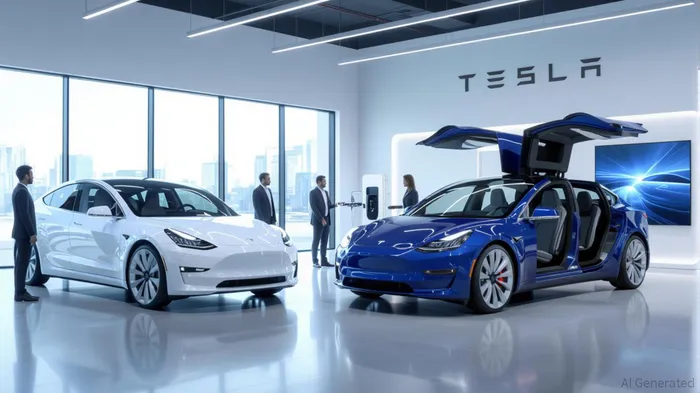
In the realm of electric vehicle (EV) innovation, TeslaTSLA-- has long been a trailblazer, but recent scrutiny of its door design has exposed a critical vulnerability: the intersection of safety, regulatory risk, and investor sentiment. While the company's sleek, futuristic aesthetics have captivated consumers, the reliance on fully electric or retractable door mechanisms has raised alarms. According to a report by Bloomberg, over 140 consumer complaints have been filed in the past year alone, citing door malfunctions that prevented occupants from escaping during or after crashes. Tragic cases, such as the Virginia incident in December 2023, underscore the life-threatening consequences of non-functional doors when power is lost[1].
The regulatory landscape is shifting in response. Chinese auto regulators, for instance, are reportedly planning a full ban on fully retractable door handles by 2027, citing safety risks and functional shortcomings[2]. This move reflects a broader industry trend toward prioritizing manual release mechanisms in emergency scenarios. Meanwhile, the U.S. National Highway Traffic Safety Administration (NHTSA) has acknowledged similar concerns but has yet to impose binding changes, leaving Tesla to address the issue through over-the-air updates and owner manuals—a reactive approach that critics argue is insufficient[1].
From an investor perspective, these design flaws are compounding existing pressures on Tesla's valuation. The company's U.S. market share has plummeted to 38%, its lowest since 2017, as competitors like RivianRIVN-- and Lucid MotorsLCID-- gain traction with more conventional yet reliable designs[3]. A Seeking Alpha analysis titled Tesla: Missed Promises Failing To Justify The Price argues that persistent quality control issues—ranging from poor paint finishes to Powerwall 3 defects—have eroded trust in Tesla's operational excellence, warranting a “sell” rating until significant improvements are made[4]. While door design flaws are not explicitly cited in this report, they contribute to a broader narrative of product reliability concerns that analysts are increasingly factoring into valuations.
The financial implications are further exacerbated by Tesla's aggressive focus on advanced technologies like robotaxis, which has diverted attention from foundational design improvements. A 19% year-to-date drop in Tesla's stock as of mid-2025 reflects investor unease over these strategic trade-offs[5]. The recent recall of the Cybertruck—eight times since its launch—alongside ongoing Falcon Wing Door issues on the Model X, reinforces perceptions of product instability[6]. These recalls, while not directly tied to door design, signal a pattern of quality control challenges that could amplify regulatory scrutiny and warranty costs.
For investors, the risks are twofold: immediate financial volatility and long-term reputational damage. If regulators in key markets like China enforce stricter design standards, Tesla may face costly redesigns or lose competitive ground to rivals offering more conventional, safer alternatives. Moreover, the reputational toll of high-profile safety incidents could deter both consumers and institutional investors, further pressuring the stock.
In conclusion, Tesla's door design flaws epitomize a broader tension between innovation and practicality. While the company's vision has redefined the EV industry, the growing safety concerns and regulatory headwinds highlight the fragility of its current valuation. Investors must weigh these risks against Tesla's technological leadership, recognizing that a single design oversight could trigger a cascade of financial and regulatory consequences.





Comentarios
Aún no hay comentarios