
Tesla's Chinese Rivals Surge as Trump Revokes Biden's EV Targets
Generado por agente de IAWesley Park
martes, 21 de enero de 2025, 5:58 am ET2 min de lectura
LI--
As President Donald Trump revokes former President Joe Biden's executive order targeting 50% electric vehicle (EV) sales by 2030, the U.S.-listed shares of Chinese EV startups Li Auto Inc. (LI), Nio Inc. (NIO), and Xpeng Inc. (XPEV) surged in pre-market trading on Tuesday. Meanwhile, California-based EV startup Rivian Automotive Inc. (RIVN) fell, highlighting the contrasting fortunes of these companies in the face of Trump's policies.
The Chinese EV manufacturers rose as Trump did not target China in his inauguration speech or impose tariffs on Beijing. Instead, he threatened 25% tariffs on Canada and Mexico on Feb. 1. The rally was further boosted by Nio's strong brand vehicle registrations in China, with a 2800% increase in the week of January 13-19 compared to the previous week. Li Auto and Xpeng also saw significant increases in insurance registrations, up 25% and 27% respectively.
Tesla (TSLA) stock rose 1.85% in pre-market trading on Tuesday, despite Trump's announcements about EVs. Investors likely expect Tesla CEO Elon Musk's close affinity to Trump to aid the company and enable a favorable regulatory environment for its vision of deploying autonomous vehicles on public roads this year. Musk has previously dismissed the impact of a drop in EV tax credit for Tesla, stating that the elimination of subsidies would only be slight for Tesla but devastating for its competitors.
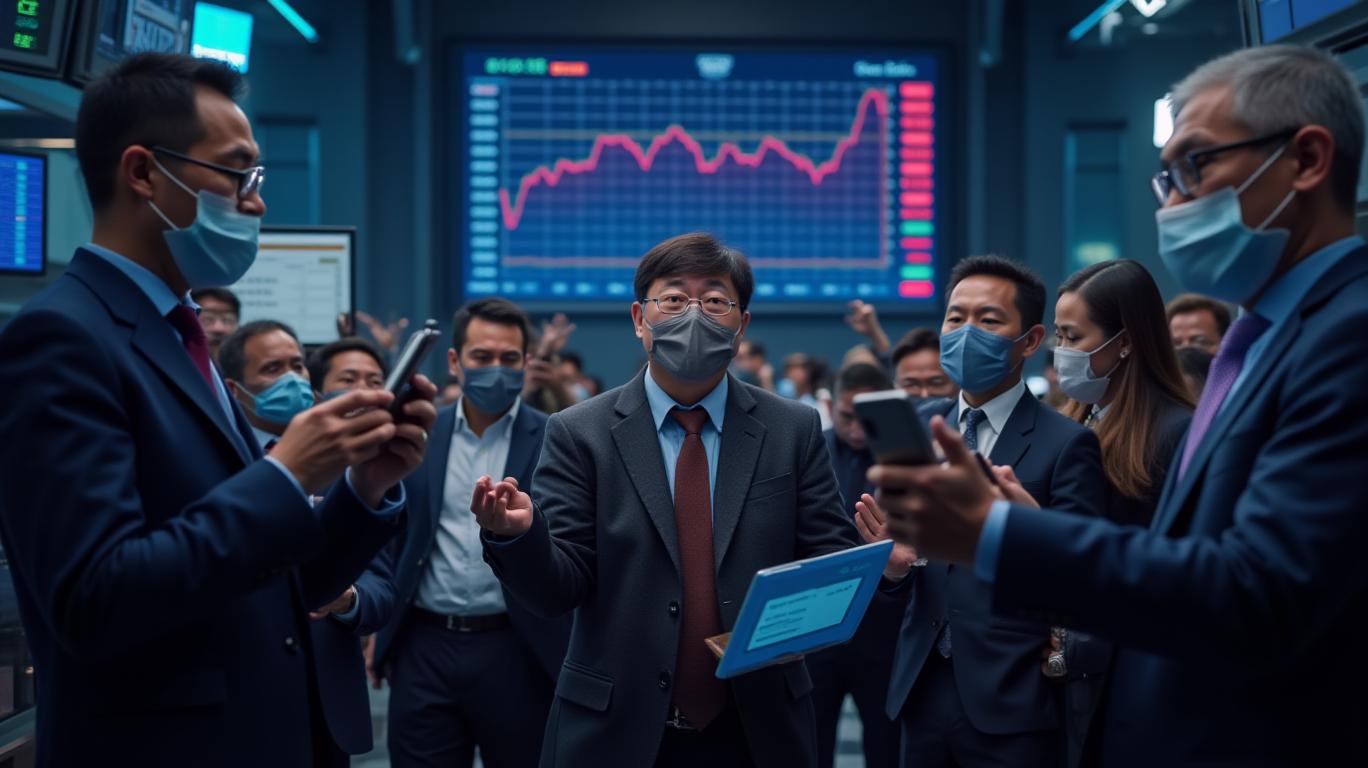
The contrasting performances of these companies highlight the importance of understanding the strategic differences between them and how these differences impact their growth prospects and market positions. Nio, Xpeng, and Li Auto vary in their approaches and development, with Nio focusing on a luxurious customer experience, Xpeng emphasizing self-driving technology, and Li Auto offering extended-range electric vehicles (EREVs) to address range anxiety. These strategic differences have allowed them to target different market segments and maintain strong market positions in the Chinese EV market.
As Trump's policies continue to evolve, these companies may need to adjust their strategies to remain competitive. If Trump imposes tariffs on Chinese goods, these companies might face increased production costs, leading to higher prices for consumers. To mitigate this, they might need to optimize their supply chains or find alternative sources for components. If Trump ends the $7,500 federal tax credit for EVs, these companies might need to adjust their pricing strategies to remain competitive. They could offer more attractive financing options, discounts, or other incentives to make their products more affordable.
In conclusion, the surge in Chinese EV stocks following Trump's revocation of Biden's EV targets highlights the importance of understanding the strategic differences between these companies and how these differences impact their growth prospects and market positions. As Trump's policies continue to evolve, these companies may need to adjust their strategies to remain competitive in the face of potential challenges.
NIO--
XPEV--
As President Donald Trump revokes former President Joe Biden's executive order targeting 50% electric vehicle (EV) sales by 2030, the U.S.-listed shares of Chinese EV startups Li Auto Inc. (LI), Nio Inc. (NIO), and Xpeng Inc. (XPEV) surged in pre-market trading on Tuesday. Meanwhile, California-based EV startup Rivian Automotive Inc. (RIVN) fell, highlighting the contrasting fortunes of these companies in the face of Trump's policies.
The Chinese EV manufacturers rose as Trump did not target China in his inauguration speech or impose tariffs on Beijing. Instead, he threatened 25% tariffs on Canada and Mexico on Feb. 1. The rally was further boosted by Nio's strong brand vehicle registrations in China, with a 2800% increase in the week of January 13-19 compared to the previous week. Li Auto and Xpeng also saw significant increases in insurance registrations, up 25% and 27% respectively.
Tesla (TSLA) stock rose 1.85% in pre-market trading on Tuesday, despite Trump's announcements about EVs. Investors likely expect Tesla CEO Elon Musk's close affinity to Trump to aid the company and enable a favorable regulatory environment for its vision of deploying autonomous vehicles on public roads this year. Musk has previously dismissed the impact of a drop in EV tax credit for Tesla, stating that the elimination of subsidies would only be slight for Tesla but devastating for its competitors.
The contrasting performances of these companies highlight the importance of understanding the strategic differences between them and how these differences impact their growth prospects and market positions. Nio, Xpeng, and Li Auto vary in their approaches and development, with Nio focusing on a luxurious customer experience, Xpeng emphasizing self-driving technology, and Li Auto offering extended-range electric vehicles (EREVs) to address range anxiety. These strategic differences have allowed them to target different market segments and maintain strong market positions in the Chinese EV market.
As Trump's policies continue to evolve, these companies may need to adjust their strategies to remain competitive. If Trump imposes tariffs on Chinese goods, these companies might face increased production costs, leading to higher prices for consumers. To mitigate this, they might need to optimize their supply chains or find alternative sources for components. If Trump ends the $7,500 federal tax credit for EVs, these companies might need to adjust their pricing strategies to remain competitive. They could offer more attractive financing options, discounts, or other incentives to make their products more affordable.
In conclusion, the surge in Chinese EV stocks following Trump's revocation of Biden's EV targets highlights the importance of understanding the strategic differences between these companies and how these differences impact their growth prospects and market positions. As Trump's policies continue to evolve, these companies may need to adjust their strategies to remain competitive in the face of potential challenges.

Divulgación editorial y transparencia de la IA: Ainvest News utiliza tecnología avanzada de Modelos de Lenguaje Largo (LLM) para sintetizar y analizar datos de mercado en tiempo real. Para garantizar los más altos estándares de integridad, cada artículo se somete a un riguroso proceso de verificación con participación humana.
Mientras la IA asiste en el procesamiento de datos y la redacción inicial, un miembro editorial profesional de Ainvest revisa, verifica y aprueba de forma independiente todo el contenido para garantizar su precisión y cumplimiento con los estándares editoriales de Ainvest Fintech Inc. Esta supervisión humana está diseñada para mitigar las alucinaciones de la IA y garantizar el contexto financiero.
Advertencia sobre inversiones: Este contenido se proporciona únicamente con fines informativos y no constituye asesoramiento profesional de inversión, legal o financiero. Los mercados conllevan riesgos inherentes. Se recomienda a los usuarios que realicen una investigación independiente o consulten a un asesor financiero certificado antes de tomar cualquier decisión. Ainvest Fintech Inc. se exime de toda responsabilidad por las acciones tomadas con base en esta información. ¿Encontró un error? Reportar un problema


SOBRE NOSOTROS
Nuestra historiaAutores de noticiasBase de conocimientosPolítica de privacidadTérmino de usoDescargo de responsabilidad de corretaje de tercerosTérminos de uso de AIMEDivulgaciones de riesgos de AInvest AICarrerasCONTÁCTENOS
Email: support@ainvest.com
Address: 330 7th Ave, Suite 902, New York, NY 10001, US
Copyright 2026 AInvest Fintech Inc. All rights reserved.


Comentarios
Aún no hay comentarios