
Teradata's Cloud Client Struggles: A Cautionary Tale for Data Analytics Investors?
The data analytics sector is on a meteoric rise, with the global market projected to balloon from USD 54.37 billion in 2024 to USD 353.86 billion by 2034, driven by cloud adoption, AI integration, and real-time analytics demand, according to a data analytics market report. Yet, for TeradataTDC-- (TDC), a once-dominant player in enterprise data management, the path to capitalizing on this growth has grown treacherous. Despite strategic acquisitions like Stemma in 2023 to bolster AI-driven data governance, a Tracxn acquisitions list shows the company faces mounting challenges in acquiring and retaining cloud clients-a trend that raises critical questions about its long-term viability in a hyper-competitive landscape.
The Cloud Transition Conundrum
Teradata's struggles stem from its prolonged reliance on on-premises solutions, a legacy that now clashes with the cloud-first strategies of rivals like Amazon Web Services, Microsoft, and Google. According to a Stockwave Insights report, the company's billings declined 1.4% year-on-year in recent quarters, with analysts forecasting a 4.1% revenue drop over the next 12 months. This stagnation contrasts sharply with the sector's explosive growth, highlighting a misalignment between Teradata's offerings and evolving client priorities.
The complexity of migrating to cloud-based analytics exacerbates the issue. While 80% of companies report revenue gains from real-time analytics adoption (per the data analytics market report), Teradata's Q3 2025 results revealed an 8% revenue decline, attributed to slow cloud client acquisition and the high costs of transitioning legacy systems. Even as the company touts a 16% year-over-year increase in cloud annual recurring revenue (ARR) in Q1 2025, its Q1 2025 presentation indicates that this growth appears insufficient to offset broader revenue declines, signaling a precarious balancing act.
Market Saturation and Competitive Pressures
Teradata's challenges are compounded by market saturation and aggressive innovation from competitors. Fortune Business Insights notes that 70% of organizations plan to adopt AI and automation in data analytics by 2026, a trend dominated by tech giants offering unified analytics platforms. For instance, AWS and Microsoft have embedded AI-driven data lakes and serverless analytics into their ecosystems, undercutting Teradata's traditional value proposition.
While Teradata's CEO, Steve McMillan, emphasizes the importance of "trusted data" for AI success, the company's ability to differentiate itself remains unproven. A Gartner 2025 report recognized Teradata as a top-five vendor in cloud database capabilities, but such accolades have yet to translate into sustained client growth. Meanwhile, Forrester's 2025 analysis lauds Teradata's flexible deployment options, yet investors remain skeptical about its capacity to scale cloud solutions profitably.
Long-Term Growth Risks
The broader implications for the data analytics sector are twofold. First, Teradata's struggles underscore the structural risks of transitioning from legacy systems to cloud-native models-a challenge that could ripple across the industry. Second, its financial performance highlights the perils of underinvestment in AI and automation. As the market shifts toward AI-driven analytics, companies unable to adapt risk obsolescence.
For investors, the key question is whether Teradata can reverse its trajectory. The company's 2025 strategic pivot toward AI and cloud ARR growth is promising, but with a 4%–7% projected revenue decline for the year (per the data analytics market report), time is running short. The data analytics sector's projected 20.60% CAGR from the same report offers a tailwind, but only for firms agile enough to meet client demands. Teradata's ability to innovate-such as its Stemma acquisition (listed in the Tracxn acquisitions list)-must now be matched by measurable gains in cloud client acquisition and retention.
Conclusion
Teradata's journey reflects the broader tension between legacy infrastructure and cloud innovation. While its technical expertise in data governance remains a strength, the company's financial headwinds and competitive pressures paint a sobering picture. For the data analytics sector, this case serves as a cautionary tale: even established players must continuously evolve to avoid being left behind in a market defined by speed and scalability. Investors would be wise to monitor Teradata's next moves closely, as its success-or failure-could signal broader industry shifts.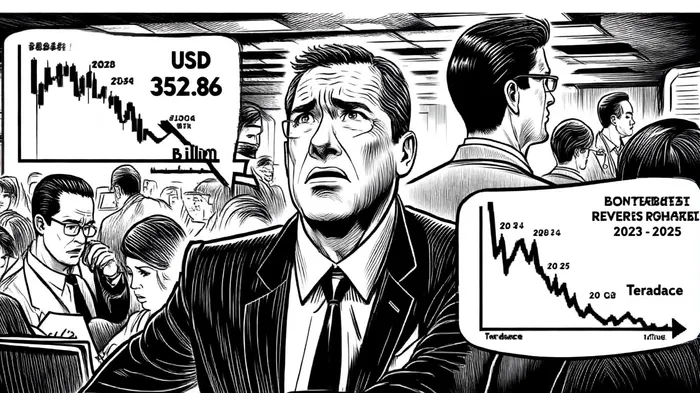







Comentarios
Aún no hay comentarios