
Tencent's Copyright Win: A Turning Point for Chinese Tech in the U.S.?
Generado por agente de IAWesley Park
jueves, 13 de febrero de 2025, 1:10 am ET2 min de lectura
In a significant victory for Chinese tech giant Tencent, a U.S. district court recently ruled in favor of the company in a copyright infringement case involving the dissemination of works through an In-Vehicle Infotainment (IVI) system. This ruling has far-reaching implications for other Chinese tech companies facing similar allegations in the U.S. and could influence Tencent's approach to intellectual property protection and enforcement in the future.
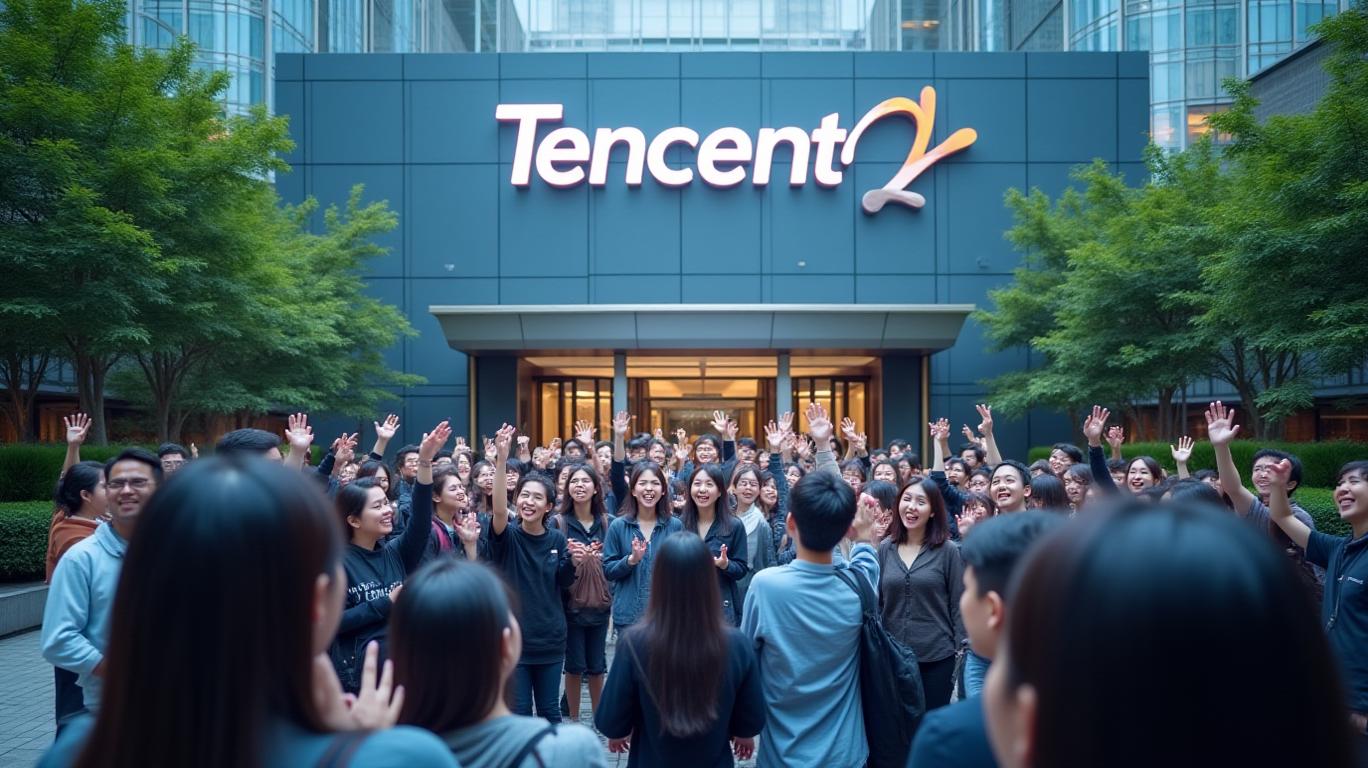
The case, brought by units of Tencent against Unblock Tech and other distributors, accused the defendants of improperly copying, distributing, and importing more than 1,500 of its shows, including family drama "Little Days" and sci-fi blockbuster "Three Body Problem." The U.S. District Court for the Western District of Texas handed down the judgement on Feb. 7, awarding Tencent nearly $85 million in compensation.
This victory for Tencent comes at a time when U.S.-China relations are increasingly strained, with the U.S. Department of Defense recently designating Tencent, along with other Chinese companies, as entities allegedly linked to China's military. This move has raised critical questions for American organizations about cybersecurity, supply chain risks, and international relations. However, Tencent's success in this copyright infringement case demonstrates that Chinese tech companies can still achieve significant victories in the U.S. legal system.
Tencent's victory in this case highlights the importance of proactive measures in protecting intellectual property. In the future, Tencent may enhance its efforts to safeguard its content and technology by investing more resources in IP protection strategies, such as strengthening copyright management systems, implementing robust digital rights management (DRM) solutions, and monitoring and enforcing IP rights across various platforms and markets.
Moreover, Tencent's success in this case may embolden the company to take a more aggressive stance against IP infringers in the future. This could involve swiftly identifying and pursuing suspected infringers, leveraging legal and technological means to enforce IP rights, and seeking damages and injunctions to deter future infringements.
The implications of this case on other Chinese tech companies facing copyright infringement allegations in the U.S. are significant. These companies should be prepared for increased scrutiny, potential restrictions on their operations, and the need to maintain a strong focus on compliance and due diligence. However, Tencent's victory serves as a reminder that Chinese tech companies can still achieve success in the U.S. market, despite the geopolitical challenges and regulatory hurdles they may face.
In conclusion, Tencent's copyright infringement case victory in the U.S. district court has far-reaching implications for Chinese tech companies operating in the U.S. market. This victory demonstrates the importance of proactive IP protection measures and could influence Tencent's approach to intellectual property protection and enforcement in the future. As U.S.-China relations continue to evolve, Chinese tech companies must remain vigilant and adapt to the changing landscape to maintain their competitive edge in the global market.



Divulgación editorial y transparencia de la IA: Ainvest News utiliza tecnología avanzada de Modelos de Lenguaje Largo (LLM) para sintetizar y analizar datos de mercado en tiempo real. Para garantizar los más altos estándares de integridad, cada artículo se somete a un riguroso proceso de verificación con participación humana.
Mientras la IA asiste en el procesamiento de datos y la redacción inicial, un miembro editorial profesional de Ainvest revisa, verifica y aprueba de forma independiente todo el contenido para garantizar su precisión y cumplimiento con los estándares editoriales de Ainvest Fintech Inc. Esta supervisión humana está diseñada para mitigar las alucinaciones de la IA y garantizar el contexto financiero.
Advertencia sobre inversiones: Este contenido se proporciona únicamente con fines informativos y no constituye asesoramiento profesional de inversión, legal o financiero. Los mercados conllevan riesgos inherentes. Se recomienda a los usuarios que realicen una investigación independiente o consulten a un asesor financiero certificado antes de tomar cualquier decisión. Ainvest Fintech Inc. se exime de toda responsabilidad por las acciones tomadas con base en esta información. ¿Encontró un error? Reportar un problema




Comentarios
Aún no hay comentarios