
Ted Cruz's AI Probe: Unveiling European Influence
Generado por agente de IAEli Grant
martes, 3 de diciembre de 2024, 6:19 am ET1 min de lectura
GOOGL--
Senator Ted Cruz recently called for an investigation into European influence on U.S. AI policy, raising concerns about potential regulatory overreach that could hinder American innovation. The Texas lawmaker, who serves as the Ranking Member of the Senate Commerce Committee, fears that Europe's heavy-handed approach to AI regulation could stifle U.S. growth, echoing past bipartisan decisions to avoid heavy government intervention with the internet.
Cruz's concern stems from Europe's General Data Protection Regulation (GDPR) and the proposed Artificial Intelligence Act (AI Act), which emphasize a risk-based approach, mandating ex-ante assessments for high-risk AI systems, and requiring human oversight. Cruz argues that these regulations could stifle innovation, create unnecessary bureaucracy, and hinder the U.S.'s competitive edge in AI. He believes that the U.S. should instead focus on education and research to maintain its lead in AI.
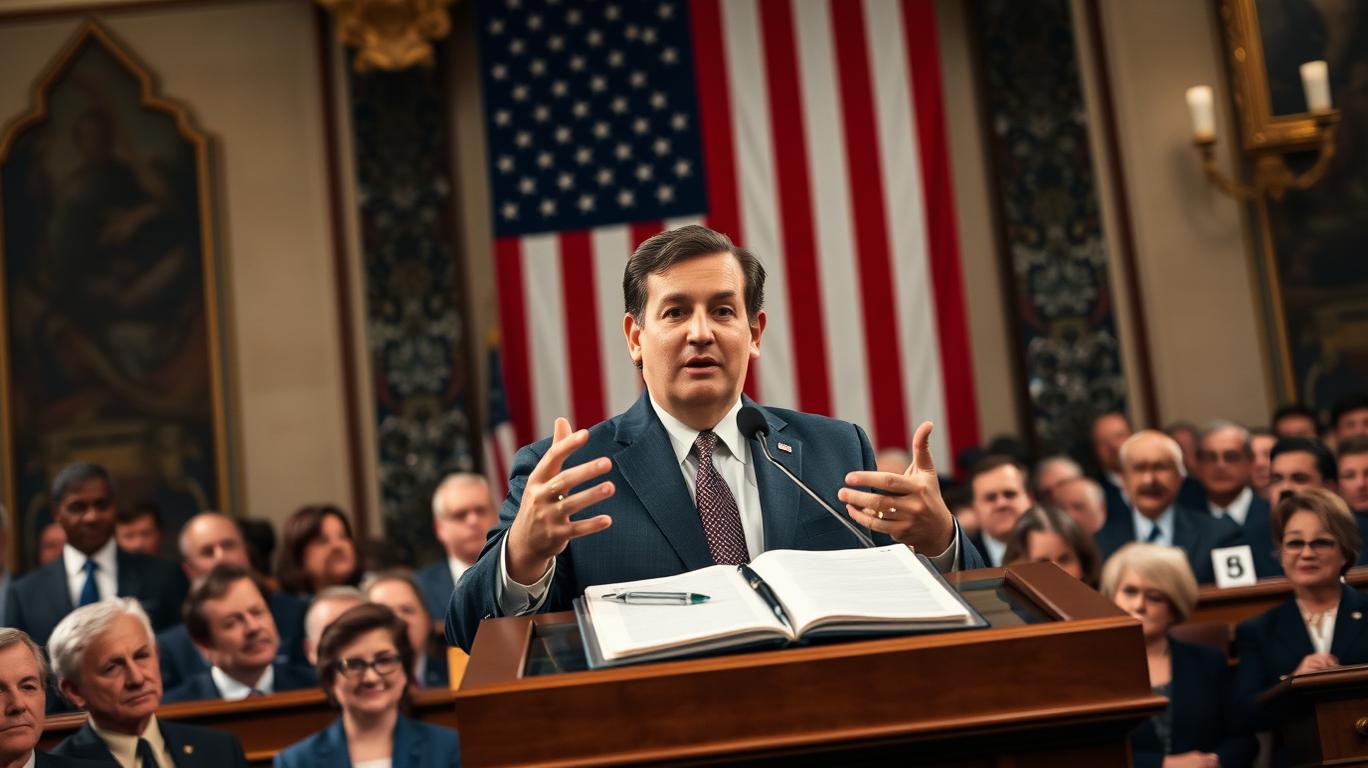
Cruz's criticism aligns with views of other U.S. lawmakers and stakeholders who are critical of excessive regulation, fearing it could hinder AI innovation and competitiveness. In a 2023 Politico interview, Cruz emphasized the need for caution and expert guidance in AI regulation, stating that Congress "doesn’t know what the hell it’s doing" (Number 1).
The potential economic implications of aligning or diverging from European AI policies on U.S. AI companies and investors are significant. Europe's GDPR and proposed AI Act have already impacted tech companies like Google and Facebook (now Meta), with billions in fines. Aligning with Europe could mean increased costs and bureaucracy for U.S. AI companies, potentially impeding innovation. Diverging, however, could lead to competitive advantages, attracting global talent and investments.
Cruz's alternative regulatory framework focuses on pausing before regulating, fully assessing the existing landscape, and faithfully enforcing existing laws. This approach aims to avoid burdening businesses, especially startups, with new legal obligations. Cruz also advocates for precise risk assessment, focusing on genuine challenges like misinformation, discrimination, and security, rather than embracing doomsday scenarios (Commerce Committee, 2023).
In conclusion, Senator Ted Cruz's demand for a probe into European influence on AI policy highlights the potential impact of foreign regulations on domestic AI development. As the U.S. and Europe navigate the complex landscape of AI governance, both regions must consider the economic and competitive implications of their regulatory approaches. A balanced, nuanced dialogue between the U.S. and the EU could foster a more harmonized regulatory framework for AI, promoting innovation and growth on both sides of the Atlantic.
META--
Senator Ted Cruz recently called for an investigation into European influence on U.S. AI policy, raising concerns about potential regulatory overreach that could hinder American innovation. The Texas lawmaker, who serves as the Ranking Member of the Senate Commerce Committee, fears that Europe's heavy-handed approach to AI regulation could stifle U.S. growth, echoing past bipartisan decisions to avoid heavy government intervention with the internet.
Cruz's concern stems from Europe's General Data Protection Regulation (GDPR) and the proposed Artificial Intelligence Act (AI Act), which emphasize a risk-based approach, mandating ex-ante assessments for high-risk AI systems, and requiring human oversight. Cruz argues that these regulations could stifle innovation, create unnecessary bureaucracy, and hinder the U.S.'s competitive edge in AI. He believes that the U.S. should instead focus on education and research to maintain its lead in AI.
Cruz's criticism aligns with views of other U.S. lawmakers and stakeholders who are critical of excessive regulation, fearing it could hinder AI innovation and competitiveness. In a 2023 Politico interview, Cruz emphasized the need for caution and expert guidance in AI regulation, stating that Congress "doesn’t know what the hell it’s doing" (Number 1).
The potential economic implications of aligning or diverging from European AI policies on U.S. AI companies and investors are significant. Europe's GDPR and proposed AI Act have already impacted tech companies like Google and Facebook (now Meta), with billions in fines. Aligning with Europe could mean increased costs and bureaucracy for U.S. AI companies, potentially impeding innovation. Diverging, however, could lead to competitive advantages, attracting global talent and investments.
Cruz's alternative regulatory framework focuses on pausing before regulating, fully assessing the existing landscape, and faithfully enforcing existing laws. This approach aims to avoid burdening businesses, especially startups, with new legal obligations. Cruz also advocates for precise risk assessment, focusing on genuine challenges like misinformation, discrimination, and security, rather than embracing doomsday scenarios (Commerce Committee, 2023).
In conclusion, Senator Ted Cruz's demand for a probe into European influence on AI policy highlights the potential impact of foreign regulations on domestic AI development. As the U.S. and Europe navigate the complex landscape of AI governance, both regions must consider the economic and competitive implications of their regulatory approaches. A balanced, nuanced dialogue between the U.S. and the EU could foster a more harmonized regulatory framework for AI, promoting innovation and growth on both sides of the Atlantic.

Divulgación editorial y transparencia de la IA: Ainvest News utiliza tecnología avanzada de Modelos de Lenguaje Largo (LLM) para sintetizar y analizar datos de mercado en tiempo real. Para garantizar los más altos estándares de integridad, cada artículo se somete a un riguroso proceso de verificación con participación humana.
Mientras la IA asiste en el procesamiento de datos y la redacción inicial, un miembro editorial profesional de Ainvest revisa, verifica y aprueba de forma independiente todo el contenido para garantizar su precisión y cumplimiento con los estándares editoriales de Ainvest Fintech Inc. Esta supervisión humana está diseñada para mitigar las alucinaciones de la IA y garantizar el contexto financiero.
Advertencia sobre inversiones: Este contenido se proporciona únicamente con fines informativos y no constituye asesoramiento profesional de inversión, legal o financiero. Los mercados conllevan riesgos inherentes. Se recomienda a los usuarios que realicen una investigación independiente o consulten a un asesor financiero certificado antes de tomar cualquier decisión. Ainvest Fintech Inc. se exime de toda responsabilidad por las acciones tomadas con base en esta información. ¿Encontró un error? Reportar un problema


SOBRE NOSOTROS
Nuestra historiaAutores de noticiasBase de conocimientosPolítica de privacidadTérmino de usoDescargo de responsabilidad de corretaje de tercerosTérminos de uso de AIMEDivulgaciones de riesgos de AInvest AICarrerasCONTÁCTENOS
Email: support@ainvest.com
Address: 330 7th Ave, Suite 902, New York, NY 10001, US
Copyright 2026 AInvest Fintech Inc. All rights reserved.


Comentarios
Aún no hay comentarios