
Technology and Infrastructure as Key Drivers in the Lithium Industry's Evolution
In recent years, lithium has emerged as a critical resource for modern economies, powering everything from smartphones to electric vehicles (EVs). For investors, understanding how technological advancements and infrastructure development shape the lithium industry is essential. This article explores these drivers, their impact on stock market dynamics, and actionable strategies for investors.
Core Concept: The Twin Engines of Growth Lithium’s role in the energy transition has turned it into a 'white gold,' but its value isn’t just in the metal itself—it’s in the technologies and infrastructure that extract, process, and utilize it. Technology refers to innovations in lithium extraction (e.g., direct lithium extraction or DLE) and battery efficiency, while infrastructure includes mining operations, processing plants, and supply chains. Together, they determine how efficiently lithium moves from the ground to end-use products.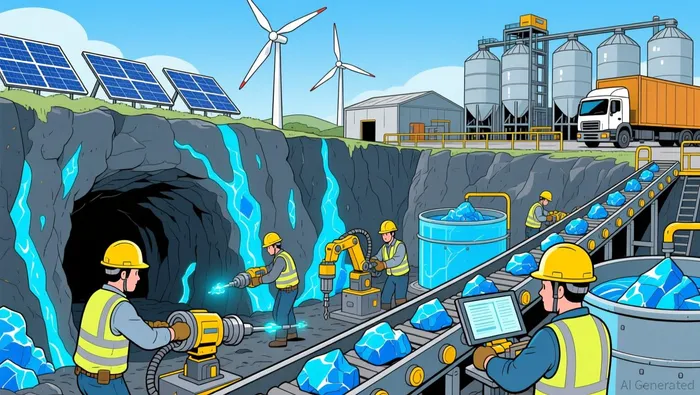
For example, traditional lithium extraction from brine (saltwater) can take months to produce usable lithium, but DLE technology can cut this to weeks. Similarly, infrastructure like high-capacity storage facilities or transportation networks for raw materials directly affects production costs and scalability.
Application and Strategies for Investors Investors can leverage these drivers by identifying companies positioned to benefit from technological or infrastructural progress. For instance: - Technology-focused plays: Companies developing DLE or recycling technologies (e.g., Livent, a spin-off from The Lithium Company, which uses advanced extraction methods). - Infrastructure-focused plays: Mining firms expanding capacity (e.g., AlbemarleALB-- or SQM) or logistics companies enabling lithium transportation. - Diversified strategies: Investing in EV manufacturers or battery producers (e.g., TeslaTSLA-- or Panasonic), which depend on lithium but also drive demand for better supply chains.
A key strategy is to balance exposure: technological innovation reduces costs and environmental impact, while robust infrastructure ensures supply meets rising demand. Investors might also consider ETFs or mutual funds that track the broader energy transition theme.
Case Study: Tesla and the Lithium Supply Chain Tesla’s 2021 partnership with lithium supplier Albemarle highlights the interplay of technology and infrastructure. By securing long-term lithium supply and co-developing extraction methods, Tesla ensured stable input costs while pushing Albemarle to adopt more efficient processes. This collaboration not only boosted Albemarle’s stock (up 45% in 2022) but also allowed Tesla to scale production of its lithium-ion batteries. The case underscores how strategic alignment between tech and infrastructure can create value for both companies and investors.
Risks and Considerations While promising, lithium investments carry risks: 1. Market Volatility: Lithium prices fluctuate with EV adoption rates and geopolitical tensions (e.g., supply chain disruptions in South America). 2. Regulatory Shifts: Environmental regulations could increase costs for extractive companies. 3. Technological Obsolescence: Rapid innovation might render current methods outdated.
To mitigate these, investors should: - Diversify across the lithium value chain (mining, tech, manufacturing). - Prioritize companies with strong R&D pipelines or partnerships. - Monitor macroeconomic trends (e.g., EV subsidies, green energy policies).
Conclusion The lithium industry’s evolution hinges on technological breakthroughs and infrastructure development. For investors, this means opportunities to capitalize on companies driving these changes while navigating risks through diversification and due diligence. By staying informed about advancements in extraction methods, supply chain dynamics, and policy shifts, investors can position themselves to benefit from the next phase of the energy transition. The key takeaway? Lithium isn’t just about the metal—it’s about the ecosystem that brings it to life.





Comentarios
Aún no hay comentarios