
Tech Optimism and Geopolitical Risks: Navigating the 1999 Valuation Paradox
The tech sector's current valuation euphoria—driven by AI breakthroughs, generative models, and hyper-growth narratives—echoes the speculative frenzy of the late 1990s. Yet today's market faces a critical difference: a geopolitical landscape rife with instability, from Russia's war in Ukraine to U.S.-China tech rivalry. To assess whether today's valuations are justified, we must dissect the parallels to 1999's bubble, the risks now magnified by global tensions, and the path forward for investors.
The 1999 Valuation Paradox, Revisited
The dot-com era was defined by irrational exuberance. The Nasdaq 100 surged to a 1999 peak, with tech stocks commanding P/S ratios over 25—levels now seen in today's AI darlings like NVIDIANVDA-- (). Back then, companies like CiscoCSCO-- and QualcommQCOM-- traded at valuations detached from earnings, buoyed by promises of a digital future. The result? A crash that erased $5 trillion in Nasdaq market cap by 2002.

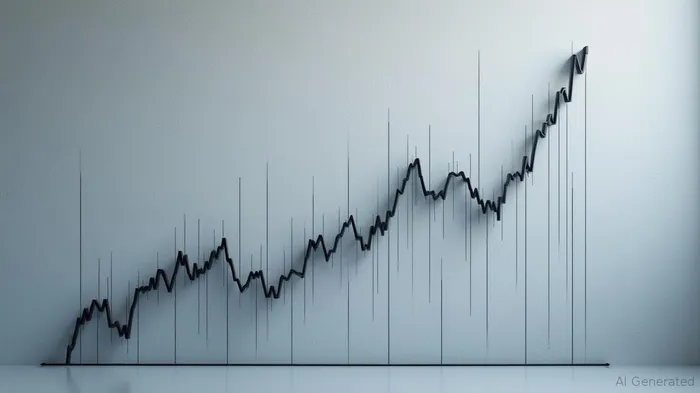
Today's market mirrors this dynamic. The top 10 U.S. tech stocks now command 36% of the S&P 500's market cap—double the 2000 bubble peak—despite contributing only 28% of its earnings. This “concentration premium” has historically been a harbinger of risk. When the top 10 stocks exceed 23% of market cap, the bottom 490 stocks outperform them in 88% of five-year periods.
Why Geopolitical Risks Matter Now
The 1999 bubble unfolded in a geopolitical vacuum. The Cold War had ended, leaving a “peace dividend” that fueled U.S. budget surpluses and low oil prices ($11/barrel in 1998). Today's markets, however, grapple with escalating conflicts:
- Energy Volatility: Russia's invasion of Ukraine has destabilized global energy markets, with oil prices now near $80/barrel—higher than 1999's lows.
- Tech Decoupling: The U.S. and China are racing to dominate AI and semiconductors, with export controls and sanctions threatening supply chains.
- Cyber and Geopolitical Risks: Ransomware attacks, state-sponsored hacking, and the militarization of AI add layers of uncertainty absent in the 2000s.
These risks could amplify market corrections. For instance, a single geopolitical shock—like a Middle East conflict disrupting oil supplies—could trigger a liquidity crunch for overvalued tech stocks reliant on low rates.
The AI Case: Justified or Overhyped?
AI's potential is undeniable. ChatGPT's analysis suggests the tech could add $13 trillion to global GDP by 2030. Yet current valuations assume near-term monetization. NVIDIA's 200% YoY revenue growth in late 2023 was fueled by B2B AI sales to MicrosoftMSFT-- and Meta—not consumer adoption. Historical data warns: companies with P/S ratios >25 underperform the market 80% of the time within five years.


Navigating the Paradox
Investors must balance optimism with caution. Here's how:
- Diversify Beyond Tech: Allocate to sectors like energy, industrials, or consumer staples, which have historically outperformed in concentrated markets.
- Focus on Profitability: Prioritize firms like Microsoft or Alphabet, which blend AI exposure with consistent earnings, over pure-play AI stocks.
- Watch Geopolitical Triggers: Monitor oil prices, semiconductor export bans, and U.S.-China trade data. A sustained geopolitical escalation could accelerate corrections.
Conclusion: The Bubble's New Rules
The 1999 tech bubble's collapse was a lesson in valuation excess. Today's market faces the same risk—but with added geopolitical volatility. While AI's long-term promise is real, investors must prepare for short-term turbulence. The path forward? Pragmatic diversification, a focus on sustainable earnings, and an eye on the geopolitical horizon.
The data is clear: when valuations outpace reality, even revolutions like AI can't prevent a reckoning.
Investment advice: Consider a balanced portfolio with 40% in tech leaders like Microsoft, 30% in defensive sectors, and 30% in commodities/energy to hedge geopolitical risks.





Comentarios
Aún no hay comentarios