
Tech, Bank Stocks Bear the Brunt as China Retaliates to Trump Tariffs
Generado por agente de IATheodore Quinn
viernes, 4 de abril de 2025, 8:45 am ET2 min de lectura
AMZN--
The latest round of tariffs announced by President Donald Trump has sent shockwaves through global markets, with tech and banking stocks feeling the brunt of the impact. The sweeping measures, which include a 34% tariff on imports from China, have raised the total duties on Chinese goods to 54% and prompted swift retaliation from Beijing. This escalation in the US-China trade war has left investors scrambling to assess the fallout and its implications for major US companies.
The immediate impact on the stock market was severe. Major US retailers like TargetTGT--, AmazonAMZN--, and WalmartWMT-- saw their stocks dip by 4% to 6% in pre-market trading on April 3. The retailers, which rely heavily on Asian countries for supplies, are now facing the prospect of increased costs and potential price hikes for consumers. Auto companies were also hit hard, with General MotorsGM-- and TeslaTSLA-- seeing share prices drop by 2% and 5% respectively.
Apple, one of the most exposed companies to the tariffs, saw its stock drop by 6%. With over 90% of its manufacturing based in China, Apple is particularly vulnerable to the new duties. Analysts at Citi estimate that if Apple cannot get exempted from the tariffs and does not pass the costs to consumers, there could be a 9% negative impact on the company's total gross margin. This could lead to reduced profitability and potentially lower growth prospects as Apple may need to adjust its pricing strategies or find alternative manufacturing locations.
Sportswear retailers like Nike and Lululemon also saw significant drops in their stock prices, with Nike down 8.5% and Lululemon down 10.3%. The high duties on Asian suppliers will increase costs, affecting their margins and potentially leading to higher prices for consumers, which could dampen demand and growth.
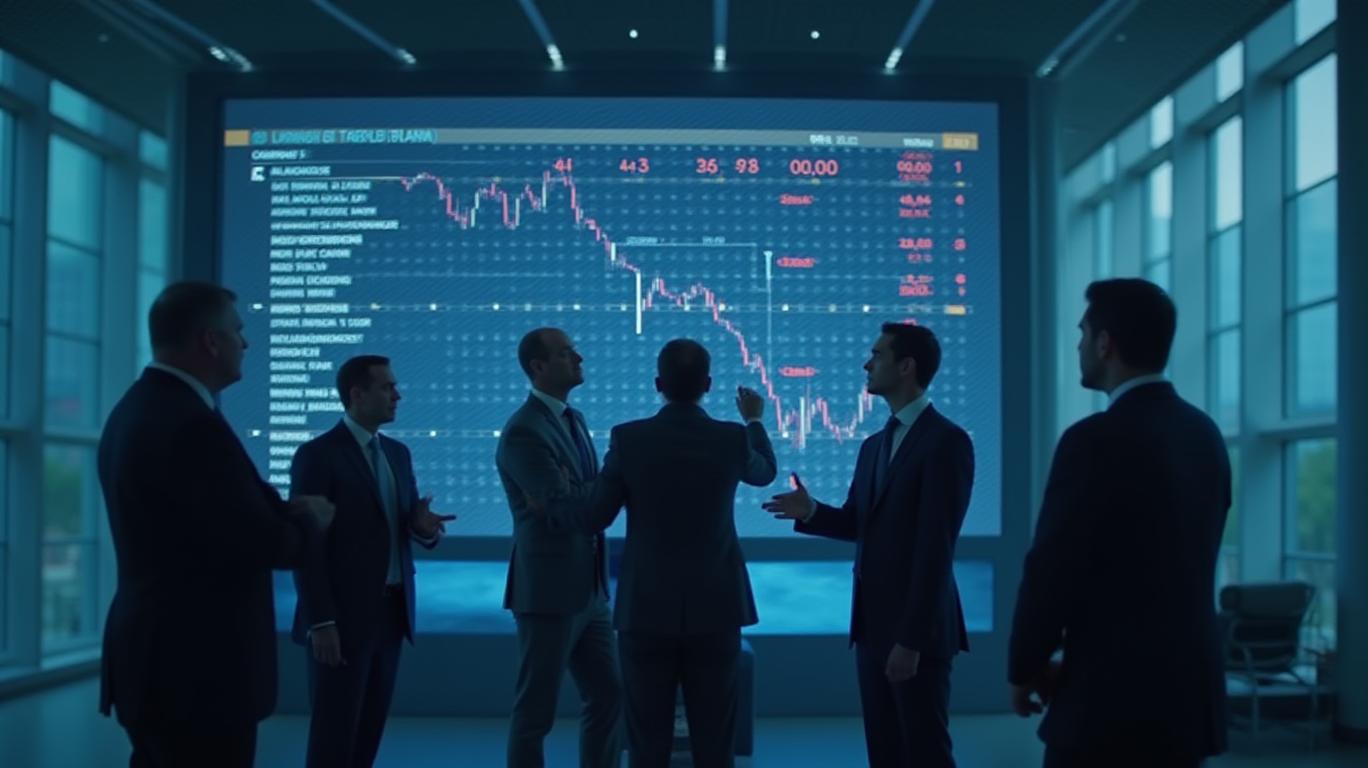
The banking sector was not spared either. Major lenders like Bank of America and JPMorgan Chase dropped by 4% and 3% respectively. The US stock futures also dipped 2.8%, and the CBOE Volatility Index hit the highest score in three weeks as investors moved away from riskier assets. This volatility and risk aversion could lead to reduced lending and investment activities, affecting the long-term profitability of these banks.
China's retaliatory measures are expected to have a significant impact on the long-term profitability and growth prospects of major US tech and banking stocks, particularly those with substantial exposure to the Chinese market. The increased costs, supply chain disruptions, and economic slowdown could lead to reduced profitability and growth prospects for these companies.
In response to the escalating trade war, US tech and banking companies can employ several strategies to mitigate the financial risks. Diversifying supply chains, lobbying for policy changes, and investing in domestic manufacturing are some of the strategies that companies can consider. While the near-term impact of these strategies might involve increased costs and potential stock price volatility, the long-term benefits could include increased resilience, reduced reliance on foreign suppliers, and improved profitability, leading to more stable and potentially higher stock prices.
In conclusion, the retaliatory measures from China are likely to have a negative impact on the long-term profitability and growth prospects of major US tech and banking stocks. However, by adopting strategic measures, companies can mitigate these risks and position themselves for long-term success. Investors should closely monitor the developments in the trade war and adjust their portfolios accordingly to navigate the uncertain market environment.
GM--
TGT--
TSLA--
WMT--
The latest round of tariffs announced by President Donald Trump has sent shockwaves through global markets, with tech and banking stocks feeling the brunt of the impact. The sweeping measures, which include a 34% tariff on imports from China, have raised the total duties on Chinese goods to 54% and prompted swift retaliation from Beijing. This escalation in the US-China trade war has left investors scrambling to assess the fallout and its implications for major US companies.
The immediate impact on the stock market was severe. Major US retailers like TargetTGT--, AmazonAMZN--, and WalmartWMT-- saw their stocks dip by 4% to 6% in pre-market trading on April 3. The retailers, which rely heavily on Asian countries for supplies, are now facing the prospect of increased costs and potential price hikes for consumers. Auto companies were also hit hard, with General MotorsGM-- and TeslaTSLA-- seeing share prices drop by 2% and 5% respectively.
Apple, one of the most exposed companies to the tariffs, saw its stock drop by 6%. With over 90% of its manufacturing based in China, Apple is particularly vulnerable to the new duties. Analysts at Citi estimate that if Apple cannot get exempted from the tariffs and does not pass the costs to consumers, there could be a 9% negative impact on the company's total gross margin. This could lead to reduced profitability and potentially lower growth prospects as Apple may need to adjust its pricing strategies or find alternative manufacturing locations.
Sportswear retailers like Nike and Lululemon also saw significant drops in their stock prices, with Nike down 8.5% and Lululemon down 10.3%. The high duties on Asian suppliers will increase costs, affecting their margins and potentially leading to higher prices for consumers, which could dampen demand and growth.
The banking sector was not spared either. Major lenders like Bank of America and JPMorgan Chase dropped by 4% and 3% respectively. The US stock futures also dipped 2.8%, and the CBOE Volatility Index hit the highest score in three weeks as investors moved away from riskier assets. This volatility and risk aversion could lead to reduced lending and investment activities, affecting the long-term profitability of these banks.
China's retaliatory measures are expected to have a significant impact on the long-term profitability and growth prospects of major US tech and banking stocks, particularly those with substantial exposure to the Chinese market. The increased costs, supply chain disruptions, and economic slowdown could lead to reduced profitability and growth prospects for these companies.
In response to the escalating trade war, US tech and banking companies can employ several strategies to mitigate the financial risks. Diversifying supply chains, lobbying for policy changes, and investing in domestic manufacturing are some of the strategies that companies can consider. While the near-term impact of these strategies might involve increased costs and potential stock price volatility, the long-term benefits could include increased resilience, reduced reliance on foreign suppliers, and improved profitability, leading to more stable and potentially higher stock prices.
In conclusion, the retaliatory measures from China are likely to have a negative impact on the long-term profitability and growth prospects of major US tech and banking stocks. However, by adopting strategic measures, companies can mitigate these risks and position themselves for long-term success. Investors should closely monitor the developments in the trade war and adjust their portfolios accordingly to navigate the uncertain market environment.

Divulgación editorial y transparencia de la IA: Ainvest News utiliza tecnología avanzada de Modelos de Lenguaje Largo (LLM) para sintetizar y analizar datos de mercado en tiempo real. Para garantizar los más altos estándares de integridad, cada artículo se somete a un riguroso proceso de verificación con participación humana.
Mientras la IA asiste en el procesamiento de datos y la redacción inicial, un miembro editorial profesional de Ainvest revisa, verifica y aprueba de forma independiente todo el contenido para garantizar su precisión y cumplimiento con los estándares editoriales de Ainvest Fintech Inc. Esta supervisión humana está diseñada para mitigar las alucinaciones de la IA y garantizar el contexto financiero.
Advertencia sobre inversiones: Este contenido se proporciona únicamente con fines informativos y no constituye asesoramiento profesional de inversión, legal o financiero. Los mercados conllevan riesgos inherentes. Se recomienda a los usuarios que realicen una investigación independiente o consulten a un asesor financiero certificado antes de tomar cualquier decisión. Ainvest Fintech Inc. se exime de toda responsabilidad por las acciones tomadas con base en esta información. ¿Encontró un error? Reportar un problema


SOBRE NOSOTROS
Nuestra historiaAutores de noticiasBase de conocimientosPolítica de privacidadTérmino de usoDescargo de responsabilidad de corretaje de tercerosTérminos de uso de AIMEDivulgaciones de riesgos de AInvest AICarrerasCONTÁCTENOS
Email: support@ainvest.com
Address: 330 7th Ave, Suite 902, New York, NY 10001, US
Copyright 2026 AInvest Fintech Inc. All rights reserved.


Comentarios
Aún no hay comentarios