
Teacher Shortage Worsens as Smartphone Use Distracts Students
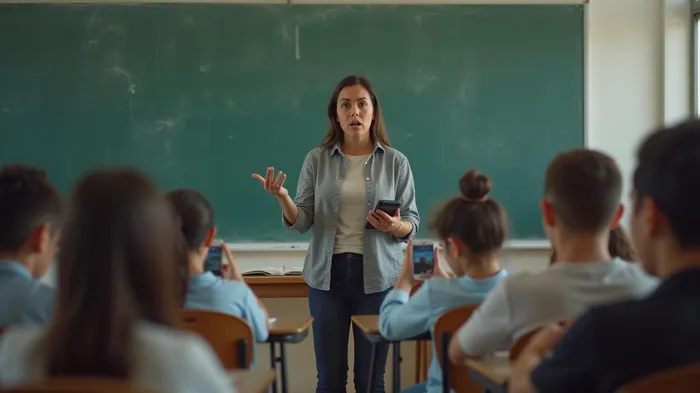
In the United States, the education system is facing a dual crisis: a severe teacher shortage and the pervasive use of smartphones by high school students, which is exacerbating the challenges in classrooms. With over 400,000 unfilled teaching roles, the shortage is not just a result of low pay but also due to the increasing difficulties teachers encounter in managing student behavior, particularly the excessive use of smartphones.
Educators report that students are becoming increasingly dependent on their phones, leading to significant distractions and a decline in academic performance. This issue has become so pronounced that it is driving many teachers to quit their jobs, feeling overwhelmed and burnt out by the constant struggle to maintain order and deliver effective lessons. The disruptive environment created by students spending hours on their devices, often engaging with social media platforms like TikTok, further contributes to their addiction and isolation from their peers and teachers.
The problem extends beyond high school students; younger children are also showing signs of smartphone addiction. This raises concerns about the long-term effects of technology on children's development and their ability to focus and learn. Some educators advocate for a return to traditional teaching methods, such as textbooks and paper-based assignments, to mitigate the negative impact of technology on students' learning.
The mental health of students is another critical issue. The excessive use of social media and smartphones has been linked to increased anxiety, depression, and other mental health problems among young people. This has led to a growing demand for counseling services and support for students struggling with the effects of technology addiction.
In response to these challenges, some schools are exploring ways to limit the use of smartphones in the classroom. This includes implementing policies that restrict the use of devices during class time and encouraging students to engage in more traditional learning activities. However, the effectiveness of these measures remains uncertain, as the addiction to smartphones is deeply ingrained in the culture of young people today.
The teacher shortage crisis and the impact of smartphone addiction on students underscore the need for a comprehensive approach to addressing these issues. This includes providing support for teachers, implementing effective policies to limit the use of smartphones in schools, and offering mental health services to students. Only by addressing these challenges can we ensure that the next generation receives the education they need to succeed in the future.







Comentarios
Aún no hay comentarios