
TBF ETF as a Multi-Asset Stagflation Hedge: Structure, Performance, and Portfolio Strategy
Stagflation—a toxic mix of stagnant economic growth, high inflation, and falling equity prices—has become a growing concern for investors in 2025. As central banks globally grapple with persistent price pressures while growth slows, traditional diversification strategies are failing. Enter the ProShares Short 20+ Year Treasury ETF (TBF): a niche tool designed to profit from rising interest rates while offering a tactical hedge against bond market losses during inflationary stress.
The Structure of TBF: Short-Term Leverage, Long-Term Risk
TBF is a daily inverse 1x leveraged ETF that tracks the performance of the ICE U.S. Treasury 20+ Year Bond Index—inversely. Its holdings consist of swaps and futures contracts tied to long-dated U.S. Treasury bonds, with over 50% of its portfolio allocated to derivatives that profit when these bonds decline in value.
This structure is critical to its role in stagflation hedging:
- Inverse Treasury Exposure: When inflation spikes, long-term bond prices typically collapse due to rising yields. TBF's inverse strategy converts this decline into gains.
- Leverage Amplification: The 1x daily reset means TBFTBF-- aims to return -100% of the daily index performance, compounding gains (or losses) in volatile environments.
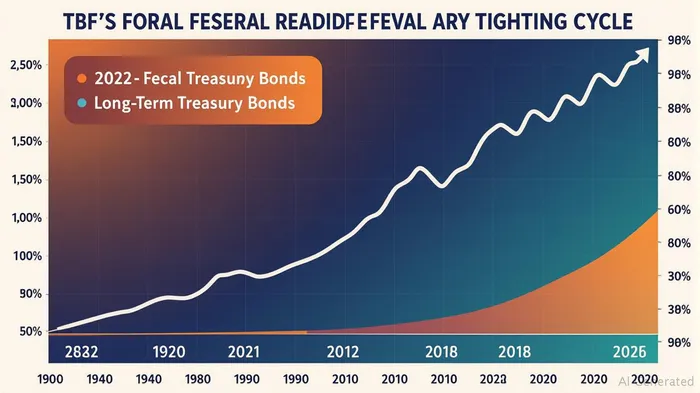
Historical Performance: TBF in Inflationary Regimes
To assess TBF's efficacy as a stagflation hedge, let's examine its performance during periods of rising inflation and economic uncertainty:
1. The 2022 Rate-Hike Cycle:
- When the Federal Reserve raised rates aggressively from 2022 to early 2023, long-term Treasury yields surged.
- TBF returned 38% in 2022, outperforming equities (S&P 500 fell 19%) and traditional inflation hedges like gold (down 1% in the same period).
2. The 2023–2025 Stagflation Threat:
- As of July 2025, TBF has gained 10.18% YTD, despite mixed equity markets. This aligns with rising inflation expectations (the 10-year breakeven rate hit 2.8% in early 2025) and persistent Fed rate uncertainty.
Why TBF Fits the Stagflation Playbook
Stagflation creates a “lose-lose” scenario: equities fall due to weak growth, while bonds decline as inflation erodes their fixed returns. TBF tackles this by:
1. Shorting Bonds: Directly profits from rising yields, a key stagflation outcome.
2. Low Correlation to Equities: TBF's beta of -0.05 means it moves independently of stock markets, enhancing diversification.
3. Tactical Flexibility: Investors can use TBF to hedge equity exposure without abandoning stocks entirely.
Risks and Suitability: Not for the Faint-Hearted
TBF's leveraged structure carries significant risks:
- Compounding Drag: Over multi-day periods, daily resets cause performance divergence from the benchmark. For example, a 10% index loss over two days might only yield a 9.8% TBF gain due to compounding.
- Volatility: TBF's 5-day volatility of 35.94% (as of 2025) makes it unsuitable for passive investors.
- Interest Rate Timing: Success hinges on correctly predicting Fed policy. A sudden rate cut could trigger steep losses.
Portfolio Strategy: TBF as a Hedge, Not a Core Holding
For risk-aware investors seeking stagflation protection, TBF can be deployed strategically:
1. Hedge a Bond Allocation: Use TBF to offset long Treasury holdings, reducing duration risk.
2. Pair with Equity Exposure: Combine TBF with inverse equity ETFs (e.g., SQQQ) to address both bond and stock declines.
3. Short-Term Tactical Bets: Enter TBF during clear inflationary spikes (e.g., rising breakeven rates) and exit as policy tightens.
Example Allocation:
- 2–5% of a portfolio in TBF during periods of elevated inflation expectations.
- Rebalance quarterly to avoid compounding drag and reset risk.
Conclusion: TBF's Role in the Modern Portfolio
TBF is no silver bullet, but in an era of stagflation risks, it offers a unique tool to combat simultaneous equity and bond market headwinds. Its inverse Treasury exposure aligns with inflationary dynamics, and its low equity correlation enhances diversification. However, investors must treat it as a tactical hedge—not a buy-and-hold asset—and pair it with disciplined risk management.
For those willing to navigate its volatility, TBF remains a compelling option to insulate portfolios against the dual threats of stagnant growth and soaring prices.





Comentarios
Aún no hay comentarios