
Tata Power Seeks Hydro Projects to Ramp Up Clean Energy Bets
Generado por agente de IACyrus Cole
miércoles, 5 de febrero de 2025, 3:41 am ET1 min de lectura
AIT--
Tata Power, India's largest integrated private power utility company, is actively exploring hydroelectric projects to expand its clean energy portfolio and meet its 2030 renewable energy targets. With a commitment to increase its renewable energy capacity to 70% by 2030, Tata Power is focusing on hydroelectric projects to complement its existing solar and wind energy initiatives.
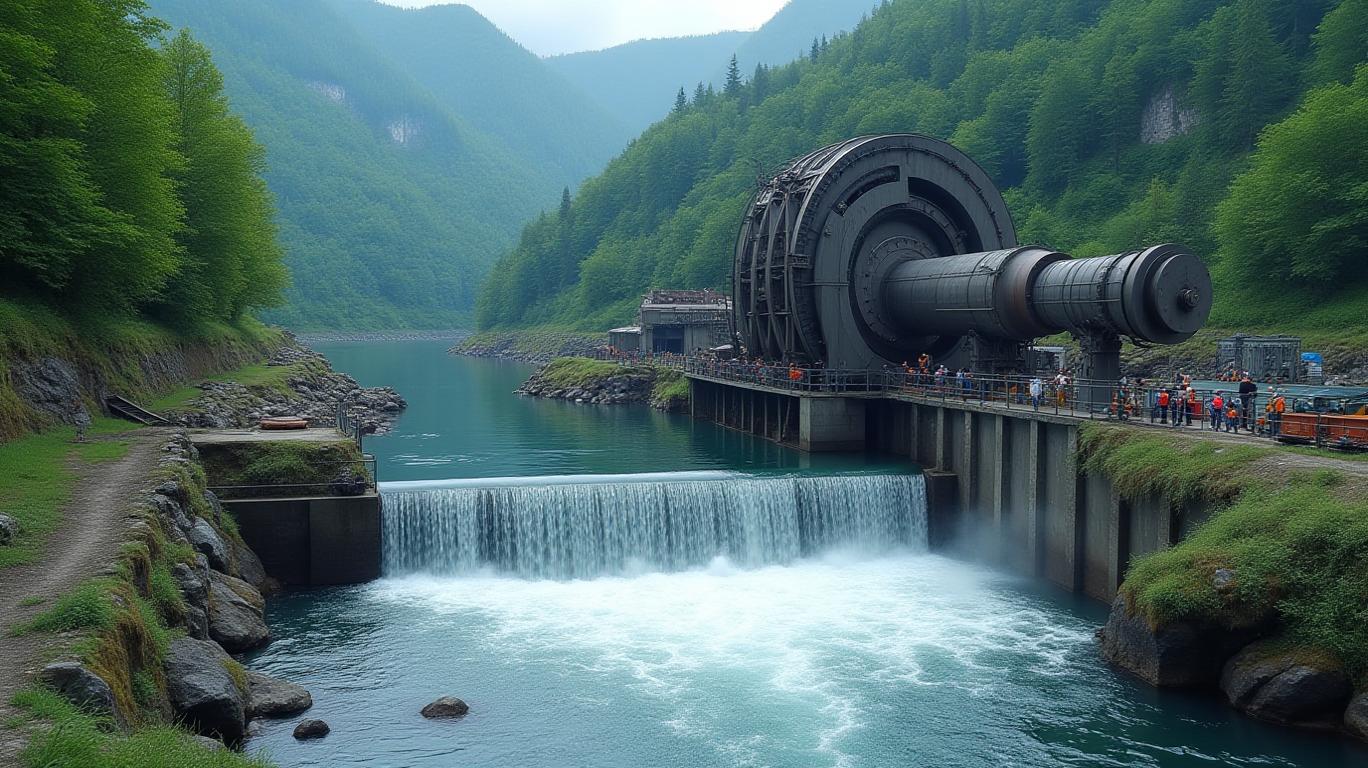
One of the key hydroelectric projects Tata Power is targeting is the 4,000 MW Teesta-VI Hydroelectric Project in Sikkim. This project is expected to generate around 16,000 million units (MUs) of electricity annually, contributing significantly to Tata Power's 2030 renewable energy targets. The company aims to have around 31 GW of power capacity by 2030, with about 22 GW coming from renewable sources, including hydropower.
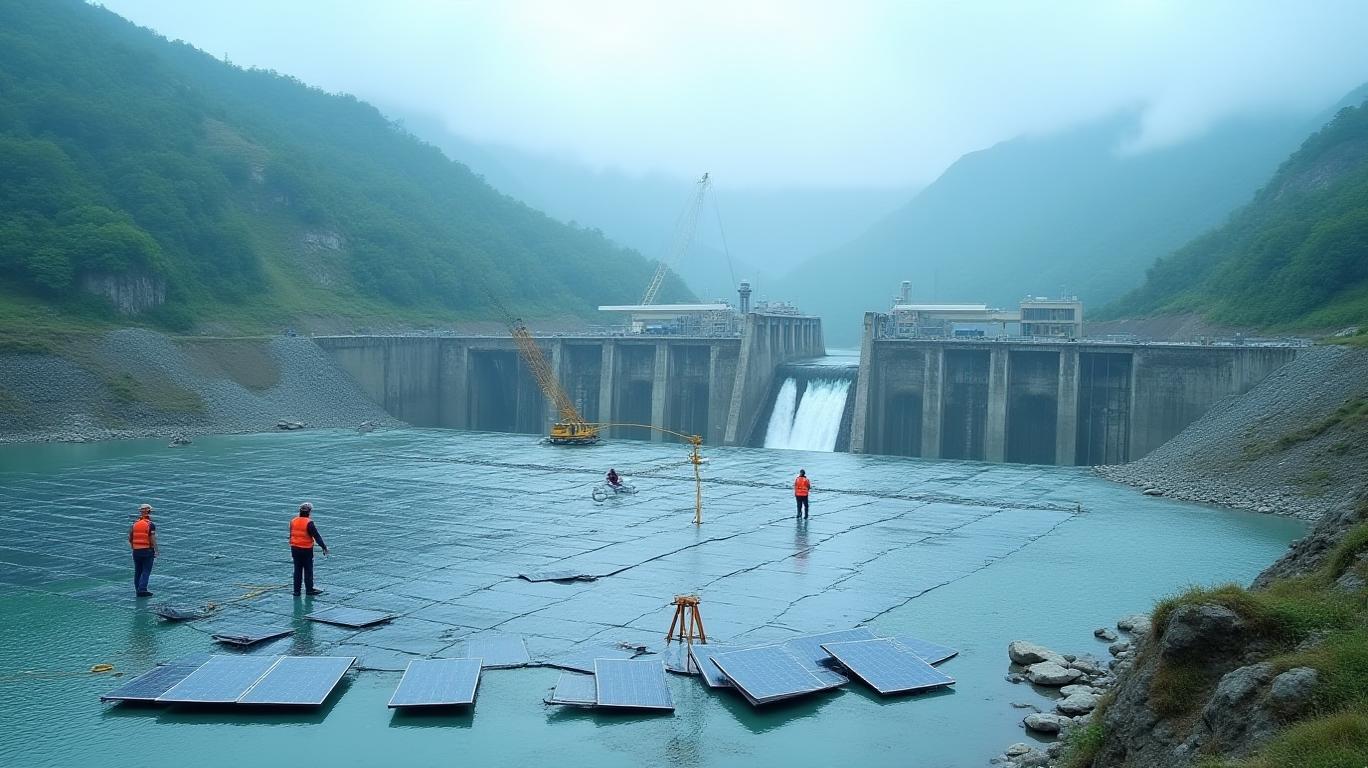
Tata Power plans to integrate these hydroelectric projects with its existing renewable energy sources, such as solar and wind, to ensure a stable and reliable power supply. The company is focusing on round-the-clock (RTC) renewable energy solutions that combine solar, wind, and hydroelectric power. This approach helps to balance the intermittency of solar and wind power by utilizing hydropower as a flexible resource that can be dispatched when solar and wind resources are low. Additionally, Tata Power is exploring the integration of floating solar panels with its hydropower projects, known as floating solar or "floatovoltaics," to maximize the use of available resources and reduce land use.
Tata Power's hydroelectric projects face several potential challenges and risks, including dependence on weather and seasonality, environmental impact, technical challenges, regulatory and political risks, and financial risks. However, the company is committed to mitigating these risks through a combination of strategies, such as diversifying its energy portfolio, investing in advanced technologies, maintaining strong relationships with stakeholders, and having a robust financial position.
In conclusion, Tata Power's pursuit of hydroelectric projects is a strategic move to expand its clean energy portfolio and meet its 2030 renewable energy targets. By integrating these projects with its existing renewable energy sources and mitigating potential risks, Tata Power is well-positioned to lead India's energy transition and provide stable, reliable, and sustainable power to its customers.
Tata Power, India's largest integrated private power utility company, is actively exploring hydroelectric projects to expand its clean energy portfolio and meet its 2030 renewable energy targets. With a commitment to increase its renewable energy capacity to 70% by 2030, Tata Power is focusing on hydroelectric projects to complement its existing solar and wind energy initiatives.
One of the key hydroelectric projects Tata Power is targeting is the 4,000 MW Teesta-VI Hydroelectric Project in Sikkim. This project is expected to generate around 16,000 million units (MUs) of electricity annually, contributing significantly to Tata Power's 2030 renewable energy targets. The company aims to have around 31 GW of power capacity by 2030, with about 22 GW coming from renewable sources, including hydropower.
Tata Power plans to integrate these hydroelectric projects with its existing renewable energy sources, such as solar and wind, to ensure a stable and reliable power supply. The company is focusing on round-the-clock (RTC) renewable energy solutions that combine solar, wind, and hydroelectric power. This approach helps to balance the intermittency of solar and wind power by utilizing hydropower as a flexible resource that can be dispatched when solar and wind resources are low. Additionally, Tata Power is exploring the integration of floating solar panels with its hydropower projects, known as floating solar or "floatovoltaics," to maximize the use of available resources and reduce land use.
Tata Power's hydroelectric projects face several potential challenges and risks, including dependence on weather and seasonality, environmental impact, technical challenges, regulatory and political risks, and financial risks. However, the company is committed to mitigating these risks through a combination of strategies, such as diversifying its energy portfolio, investing in advanced technologies, maintaining strong relationships with stakeholders, and having a robust financial position.
In conclusion, Tata Power's pursuit of hydroelectric projects is a strategic move to expand its clean energy portfolio and meet its 2030 renewable energy targets. By integrating these projects with its existing renewable energy sources and mitigating potential risks, Tata Power is well-positioned to lead India's energy transition and provide stable, reliable, and sustainable power to its customers.

Divulgación editorial y transparencia de la IA: Ainvest News utiliza tecnología avanzada de Modelos de Lenguaje Largo (LLM) para sintetizar y analizar datos de mercado en tiempo real. Para garantizar los más altos estándares de integridad, cada artículo se somete a un riguroso proceso de verificación con participación humana.
Mientras la IA asiste en el procesamiento de datos y la redacción inicial, un miembro editorial profesional de Ainvest revisa, verifica y aprueba de forma independiente todo el contenido para garantizar su precisión y cumplimiento con los estándares editoriales de Ainvest Fintech Inc. Esta supervisión humana está diseñada para mitigar las alucinaciones de la IA y garantizar el contexto financiero.
Advertencia sobre inversiones: Este contenido se proporciona únicamente con fines informativos y no constituye asesoramiento profesional de inversión, legal o financiero. Los mercados conllevan riesgos inherentes. Se recomienda a los usuarios que realicen una investigación independiente o consulten a un asesor financiero certificado antes de tomar cualquier decisión. Ainvest Fintech Inc. se exime de toda responsabilidad por las acciones tomadas con base en esta información. ¿Encontró un error? Reportar un problema




Comentarios
Aún no hay comentarios