
Tariffs Take a Toll: South Korea’s Export Downturn Signals Global Trade Shifts
South Korea’s exports for the first 20 days of April 探25探 plummeted by 5.2探% year-on-year, marking a stark reversal of its economic trajectory. The decline, driven by a 14.3探% drop in shipments to the United States, underscores the escalating impact of U.S. tariffs on global supply chains. As trade tensions redefine economic priorities, investors must navigate a landscape where geopolitical rivalries increasingly dictate corporate performance.
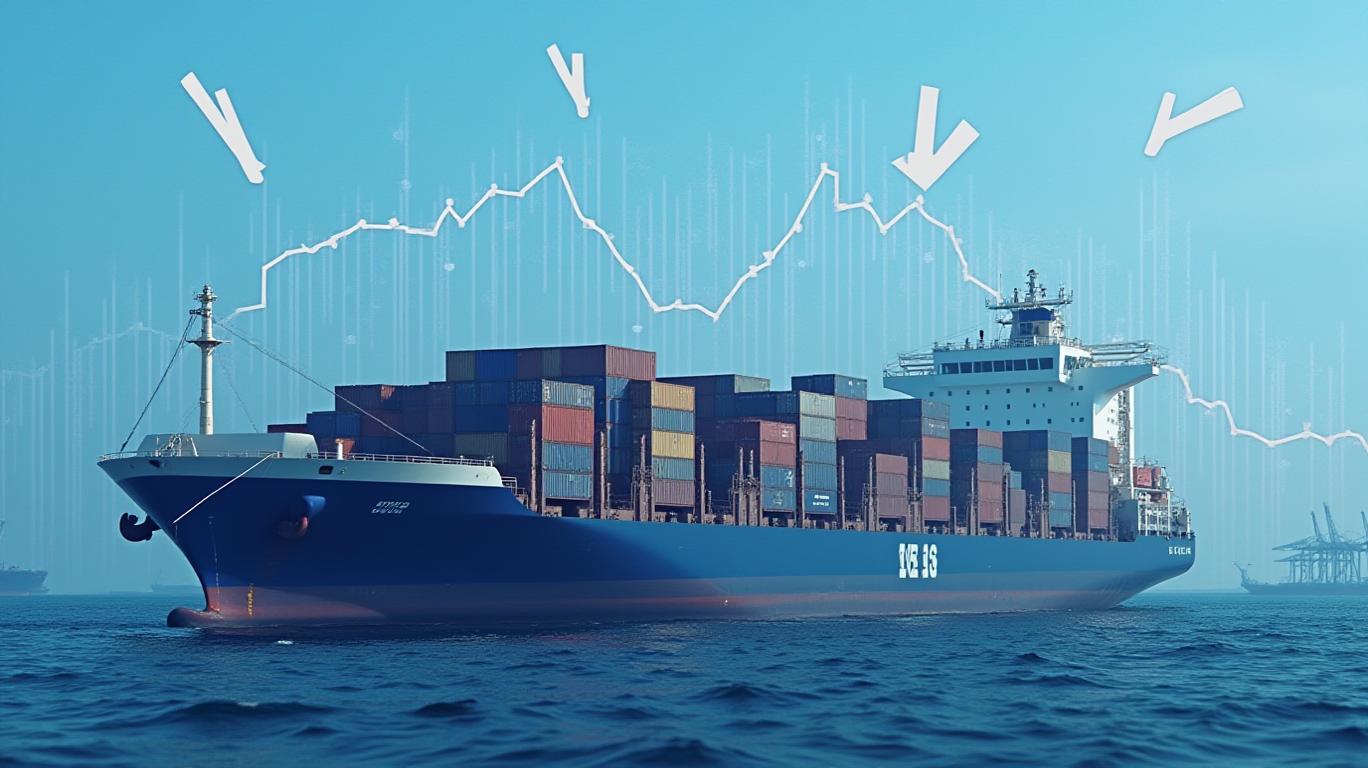
The Tariff Tsunami: U.S. Policies at the Core
The U.S. imposed a 10探% baseline tariff on all imports in early April探25, coupled with 25探% reciprocal tariffs on South Korean goods like automobiles and electronics. These measures exacerbated pre-existing U.S. duties on steel (25探%) and automobiles (under Section 232), creating a perfect storm for exporters.
- Automotive Sector: Exports fell 6.5探%, with automakers like Hyundai and Kia facing margin pressures as tariffs raised U.S. prices.
- Auto Parts: Declined 1.7探%, reflecting supply chain disruptions as companies scramble to absorb costs.
- Semiconductors: Rose 10.7探%, benefiting from exemptions tied to national security priorities.
Regional Rebalancing: EU Gains, China Slumps
While the U.S. slump dominated headlines, the data revealed a nuanced geographic shift:
- Exports to the EU rose 13.8探%, suggesting South Korea is pivoting trade toward Europe.
- Exports to China fell 3.4探%, despite no direct U.S. tariffs on Chinese goods. This decline reflects broader economic slowdowns in Asia, with China’s demand for semiconductors and machinery weakening.
Government Interventions and Investor Risks
South Korea’s Trade Minister Cheong In-kyo warned that the full tariff impact would hit in Q2探2025, with trillions of won in financial aid pledged to shield auto and steel sectors. Yet, the 11.8探% year-on-year drop in imports—driving a探$1 billion trade deficit—hints at deeper vulnerabilities.
The Bigger Picture: Global Demand and Policy Uncertainty
The April探2025 data builds on a trend: South Korea’s Q1探2025 exports fell 2.1探%, with automobiles and machinery leading the decline. Compounding the tariffs are:
1. Global Monetary Tightening: High interest rates in the U.S. and EU are squeezing consumer spending.
2. China’s Slowdown: Its探2.9探% Q1探2025 GDP growth—below expectations—reduces demand for South Korean machinery and components.
Investment Implications
- Short-Term Caution: Sectors like autos and steel face margin pressures until tariffs are resolved. Monitor Hyundai (HYMLY) and POSCO (PKX) for valuation dips.
- Long-Term Opportunities: Semiconductor firms like Samsung (SSNLF) and SK Hynix (SKHNF) may outperform due to exemptions and rising AI demand.
- Regional Diversification: Companies expanding in the EU (e.g., automotive suppliers to Germany) could mitigate U.S. risks.
Conclusion: A Crossroads for Trade Policy
South Korea’s export slump is a microcosm of global trade tensions reshaping corporate strategies. With the U.S. tariffs expected to cut探$10探billion from South Korean exports annually, the government’s financial support and supply chain diversification efforts are critical. Investors should prioritize firms with tariff-exempt products (e.g., semiconductors) or exposure to resilient markets like the EU.
The data is unequivocal: without resolution, South Korea’s探5.2探% export decline could deepen, testing corporate resilience and investor patience alike. As the Kospi index (KR11) wobbles, the path forward depends on whether Seoul and Washington can forge a truce—or let trade wars dictate the next chapter of economic growth.







Comentarios
Aún no hay comentarios