
Tariffs Threaten to Toy with Industry's Profits and Prices
Generado por agente de IAWesley Park
martes, 4 de marzo de 2025, 3:42 pm ET2 min de lectura
GPCR--
The toy industry is bracing for a significant impact on its cost structureGPCR-- and pricing strategies as a result of the 20% tariff on Chinese goods, which came into effect on March 24, 2025. With nearly 80% of toys sold in the United States being manufactured in China, the tariffs are set to increase production costs for toy manufacturers, who are already grappling with supply chain disruptions and higher shipping costs due to the COVID-19 pandemic.
Toy companies are exploring various strategies to absorb or pass on these additional costs, such as raising prices or adjusting their pricing strategies. However, the uncertainty surrounding the tariffs and their impact on the toy industry makes it challenging for manufacturers to plan and adapt to these changes.
One strategy being considered by some toy companies is to diversify their supply chains by moving production to other countries with lower tariffs or no tariffs at all. For example, some toy companies are considering moving production to Vietnam, India, or other Southeast Asian countries to avoid the high tariffs imposed on Chinese goods. However, this option may not be feasible for all companies due to factors such as higher labor costs and logistical challenges.
Another approach is to invest in domestic manufacturing, but this option is not feasible for many toy companies due to high costs and limited manufacturing capacity in the United States. High costs and limited capacity make it difficult for companies to produce toys domestically, as they would need to invest in new facilities and hire additional workers.
The impact of the tariffs on the pricing of toys for consumers is likely to be significant. Consumers are price-sensitive, and higher prices may lead to a decrease in demand for toys. This could result in lower sales for toy companies, as consumers may choose to spend their money on other products or save it instead. Additionally, the uncertainty surrounding the tariffs and their potential impact on prices may cause consumers to delay their purchases, further impacting sales in the short term.
In the long term, the impact of the tariffs on demand and sales is less clear. Some consumers may continue to purchase toys despite the higher prices, while others may seek out alternative products or switch to cheaper, non-branded toys. However, the long-term impact of the tariffs on the toy industry is likely to be significant, as higher prices may lead to a decrease in market share for toy companies and a shift in consumer preferences towards other products.
Overall, the tariffs are likely to have a significant impact on the pricing of toys for consumers, which may lead to a decrease in demand and sales in the short and long term. However, the long-term impact of the tariffs on the toy industry is less clear, and will depend on a variety of factors, including consumer preferences, the availability of alternative products, and the ability of toy companies to adapt to the changing market conditions.
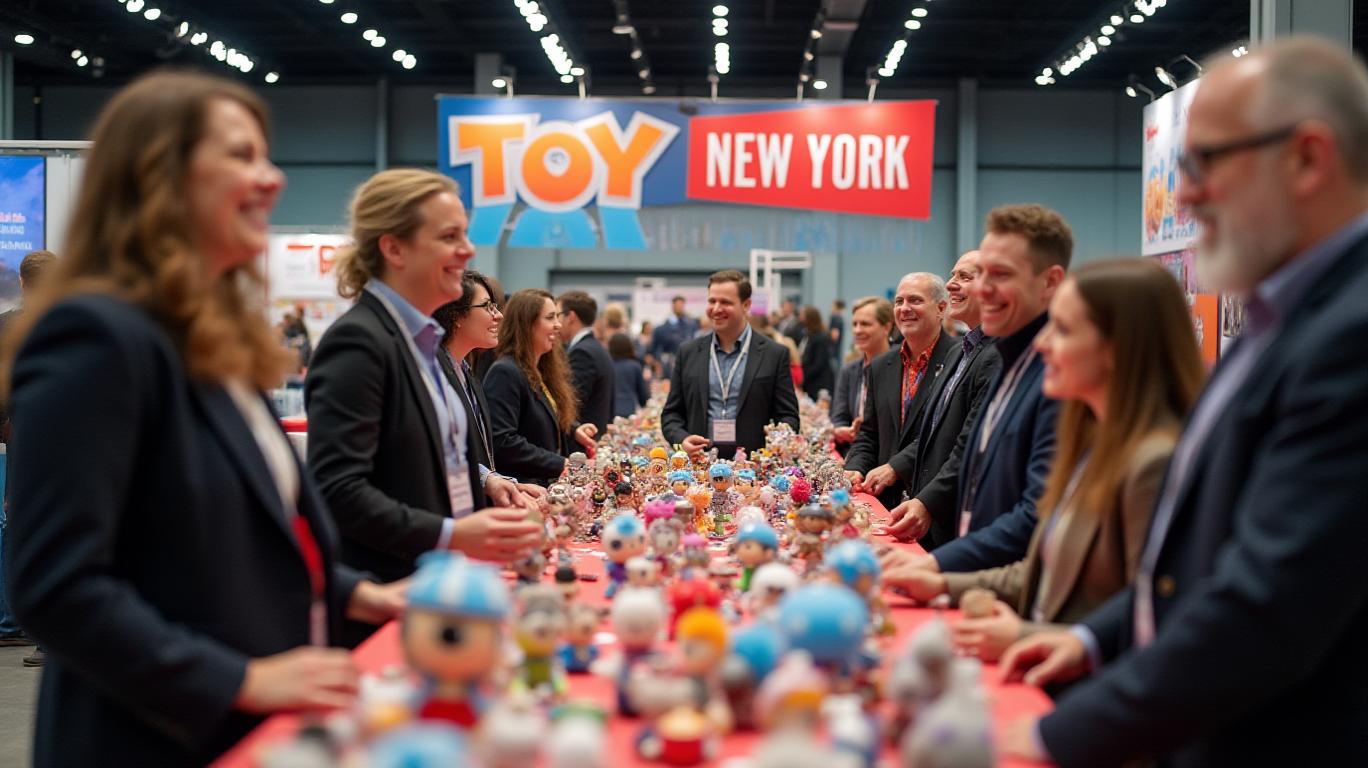
The toy industry is bracing for a significant impact on its cost structureGPCR-- and pricing strategies as a result of the 20% tariff on Chinese goods, which came into effect on March 24, 2025. With nearly 80% of toys sold in the United States being manufactured in China, the tariffs are set to increase production costs for toy manufacturers, who are already grappling with supply chain disruptions and higher shipping costs due to the COVID-19 pandemic.
Toy companies are exploring various strategies to absorb or pass on these additional costs, such as raising prices or adjusting their pricing strategies. However, the uncertainty surrounding the tariffs and their impact on the toy industry makes it challenging for manufacturers to plan and adapt to these changes.
One strategy being considered by some toy companies is to diversify their supply chains by moving production to other countries with lower tariffs or no tariffs at all. For example, some toy companies are considering moving production to Vietnam, India, or other Southeast Asian countries to avoid the high tariffs imposed on Chinese goods. However, this option may not be feasible for all companies due to factors such as higher labor costs and logistical challenges.
Another approach is to invest in domestic manufacturing, but this option is not feasible for many toy companies due to high costs and limited manufacturing capacity in the United States. High costs and limited capacity make it difficult for companies to produce toys domestically, as they would need to invest in new facilities and hire additional workers.
The impact of the tariffs on the pricing of toys for consumers is likely to be significant. Consumers are price-sensitive, and higher prices may lead to a decrease in demand for toys. This could result in lower sales for toy companies, as consumers may choose to spend their money on other products or save it instead. Additionally, the uncertainty surrounding the tariffs and their potential impact on prices may cause consumers to delay their purchases, further impacting sales in the short term.
In the long term, the impact of the tariffs on demand and sales is less clear. Some consumers may continue to purchase toys despite the higher prices, while others may seek out alternative products or switch to cheaper, non-branded toys. However, the long-term impact of the tariffs on the toy industry is likely to be significant, as higher prices may lead to a decrease in market share for toy companies and a shift in consumer preferences towards other products.
Overall, the tariffs are likely to have a significant impact on the pricing of toys for consumers, which may lead to a decrease in demand and sales in the short and long term. However, the long-term impact of the tariffs on the toy industry is less clear, and will depend on a variety of factors, including consumer preferences, the availability of alternative products, and the ability of toy companies to adapt to the changing market conditions.

Divulgación editorial y transparencia de la IA: Ainvest News utiliza tecnología avanzada de Modelos de Lenguaje Largo (LLM) para sintetizar y analizar datos de mercado en tiempo real. Para garantizar los más altos estándares de integridad, cada artículo se somete a un riguroso proceso de verificación con participación humana.
Mientras la IA asiste en el procesamiento de datos y la redacción inicial, un miembro editorial profesional de Ainvest revisa, verifica y aprueba de forma independiente todo el contenido para garantizar su precisión y cumplimiento con los estándares editoriales de Ainvest Fintech Inc. Esta supervisión humana está diseñada para mitigar las alucinaciones de la IA y garantizar el contexto financiero.
Advertencia sobre inversiones: Este contenido se proporciona únicamente con fines informativos y no constituye asesoramiento profesional de inversión, legal o financiero. Los mercados conllevan riesgos inherentes. Se recomienda a los usuarios que realicen una investigación independiente o consulten a un asesor financiero certificado antes de tomar cualquier decisión. Ainvest Fintech Inc. se exime de toda responsabilidad por las acciones tomadas con base en esta información. ¿Encontró un error? Reportar un problema




Comentarios
Aún no hay comentarios