
Tariffs and Tech Woes: Navigating Market Volatility in a Trade-War Era
The Dow Jones Industrial Average futures tumbled over 200 points early Wednesday, as escalating U.S.-China trade tensions and a sharp decline in Palantir’s stock after its earnings report underscored the fragility of investor sentiment. With President Trump’s threat to impose new tariffs on $300 billion of Chinese goods looms, the market faces a critical test of its resilience amid geopolitical uncertainty. Meanwhile, Palantir’s steep post-earnings drop—its stock fell over 15% in after-hours trading—highlights the pressures facing tech firms reliant on government contracts and volatile revenue streams.
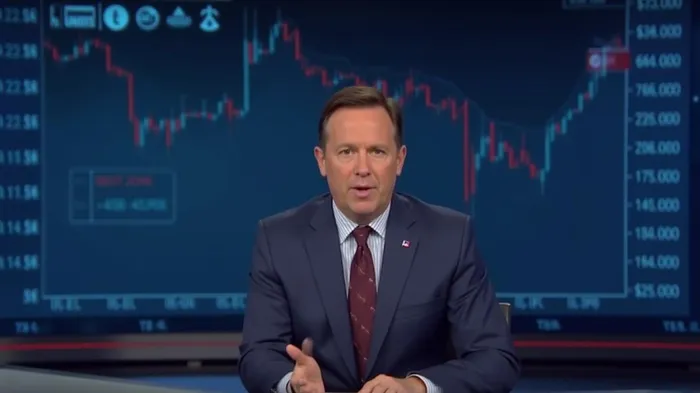
The immediate catalyst for the market’s stumble is the administration’s tariff escalation. A reveals a correlation between dips in the index and news cycles around trade disputes. The proposed 25% tariffs on an additional $300 billion of Chinese goods, covering everything from electronics to clothing, could further strain global supply chains and consumer prices. The move has drawn criticism from businesses, including retailers like Walmart and Target, which have warned of higher costs for American households.
Palantir’s stumble, however, reveals a deeper tension in the tech sector. The data analytics firm, which counts governments and Fortune 500 companies as clients, reported quarterly revenue growth of just 12%—a slowdown from the 20%-plus growth rates investors had come to expect. The miss was compounded by management’s cautious guidance, which cited “macroeconomic uncertainty” as a drag on new contracts. The stock’s plunge reflects investor skepticism about the company’s ability to sustain growth amid broader tech sector challenges.
The firm’s struggles are emblematic of a broader theme: tech stocks once seen as recession-resistant are now under pressure. A shows its decline has outpaced broader market moves, suggesting sector-specific concerns. For Palantir, reliance on government contracts—particularly those tied to defense and intelligence agencies—has left it vulnerable to geopolitical shifts. With the U.S. government’s budget constrained by debt ceiling debates and spending priorities reallocated toward trade wars, firms like Palantir face a tough path to growth.
Yet the broader market’s reaction to tariffs is more nuanced. While the Dow’s dip is notable, the S&P 500 remains within striking distance of its all-time high, buoyed by strong earnings from sectors like healthcare and consumer staples. A reveals that the index has historically shrugged off tariff threats, climbing steadily despite periodic dips. This resilience reflects the Federal Reserve’s accommodative monetary policy—lower interest rates and signals of further easing—propping up equities even as trade tensions simmer.
Investors, however, must parse short-term noise from long-term fundamentals. The U.S. economy remains resilient, with unemployment at 3.7% and consumer spending holding steady. Meanwhile, Palantir’s valuation—its market cap is nearly triple its revenue—suggests investors had priced in overly optimistic growth scenarios. The company’s long-term contracts with clients like the U.S. military and law enforcement could still provide stability, but its valuation must align with realistic expectations.
In conclusion, the market’s current volatility reflects a tug-of-war between geopolitical risks and economic fundamentals. While tariffs and company-specific issues like Palantir’s miss create short-term turbulence, broader indicators—such as corporate earnings and Fed policy—suggest resilience. Investors should focus on companies with durable competitive advantages and cash flows, while remaining cautious on sectors exposed to trade disputes. As the old adage goes: “Don’t fight the Fed,” but in this era of trade wars, investors must also “watch the tariffs.” The market’s next move will hinge on whether the White House’s aggressive trade stance leads to a lasting détente—or a deeper rift that upends the economic expansion.







Comentarios
Aún no hay comentarios