
Tariffs in 2025: How C-Suites Are Navigating Economic Uncertainty
The global economy in 2025 is defined by one word: tariffs. From the boardrooms of energy giants to automotive manufacturers, chief executives are scrambling to mitigate the impact of trade policies that have reshaped supply chains, pricing strategies, and long-term investments. The result? A landscape of stark contrasts—where some companies thrive through adaptation, while others grapple with margin erosion and uncertainty.
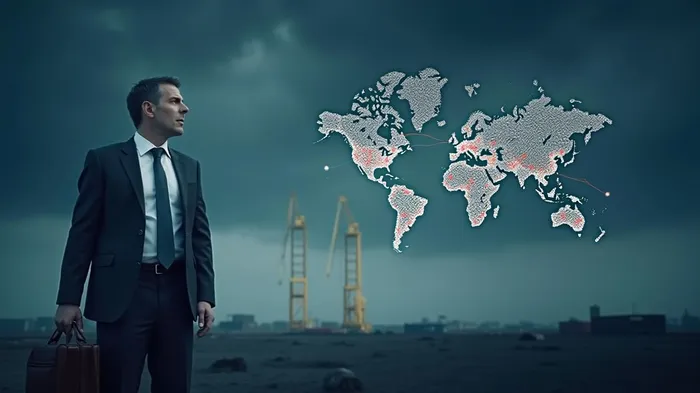
The Tariff Tsunami: Sector-by-Sector Breakdown
Energy Sector: Costs Rise, Profits Falter
Forum Energy Technologies (FET) exemplifies the challenges facing the energy industry. CEO Neil Lux highlighted 30% U.S. steel price increases since 2024, forcing FET to pass costs to customers. The company’s $10 million annualized cost-reduction program aims to offset these pressures, but analysts warn of a potential 3–6-month lag before lower oil prices (near four-year lows) hit revenue.
Manufacturing: Price Hikes and Supply Chain Reengineering
The manufacturing sector is in crisis mode. A 190% surge in tariff mentions in earnings calls underscores the urgency. Rockwell’s CFO, Christian Rothe, revealed strategic shifts: “We’re moving production of non-U.S. goods outside the U.S. to free up capacity for domestic demand.” This localization trend has become a survival tactic.
44% of manufacturers have already raised prices, with 51% planning further hikes, according to the Vistage survey. Yet the divide is clear:
- Winners: Companies like PPG Industries, with diversified supply chains.
- Losers: Automakers like GM, which faces a $5 billion tariff-related hit, forcing production relocations and profit cuts.
Utilities and Tech: Policy Volatility and Innovation
- Utilities: U.S. tariffs on Chinese solar panels (up to 245%) have stalled 90% of wind projects. Meanwhile, coal’s recategorization as a mineral risks delaying retirements, squeezing gas utilities.
- Tech: Dell’s COO, Jeff Clarke, warned tariffs are “input costs requiring price adjustments.” Microsoft and Alphabet face cloud infrastructure delays, with customer spending dropping 50% post-tariffs.
Automotive: A Race to Rebuild Supply Chains
The automotive industry is a case study in urgency.
- General Motors: Boosting U.S. truck production by 50,000 units to offset tariffs on Canadian imports.
- Volvo: Withdrew 2025 guidance entirely, citing tariff-driven profit declines.
- Honda: Shifted Civic Hybrid production to the U.S. to qualify for lower tariffs.
The Human Cost: Hiring Freezes and Layoffs
Tariffs aren’t just about balance sheets—they’re reshaping labor markets. 69% of SMB CEOs cite tariffs as a major negative factor, with CEO confidence plummeting 22 points to 78.5 in Q1 2025. Hiring freezes surged 286%, signaling a cautious workforce strategy.
AI to the Rescue?
Agentic AI adoption rose 275% as companies seek efficiency gains. NVIDIA’s Jensen Huang emphasized AI’s role in workflow automation, while Thomson Reuters plans AI-driven advisory services to offset labor costs.
Investment Implications
- Avoid Tariff-Exposed Sectors: Utilities and automotive firms reliant on global supply chains face prolonged margin pressures.
- Bet on Supply Chain Agility: Companies like FET and PPG, with diversified footprints, offer resilience.
- Monitor Policy Shifts: Investors should track tariff adjustments and trade agreements—especially in energy and tech.
Conclusion: Tariffs as a New Normal
The 2025 earnings calls reveal a stark truth: tariffs are no longer a temporary disruption but a structural force. With global GDP growth revised down to 3.1% and U.S. growth to 2.2%, companies must adapt or risk obsolescence.
The data speaks plainly:
- 37% of Utilities companies mentioned uncertainty in Q1 calls.
- 49% of CEOs across industries cite geopolitical risks.
- 15% of FET’s earnings face haircut due to tariffs.
Investors should favor firms with localized supply chains, pricing power, and AI-driven efficiencies. The era of globalized trade is over—adapting to this new reality is the only path to profitability.






Comentarios
Aún no hay comentarios