
The Tariff Treadmill: How Retailers Like Walmart Are Adapting—and Where Investors Should Look Next
The U.S. retail sector is caught in a high-stakes game of economic whack-a-mole. As tariffs on imports climb to levels unseen since the Great Depression, retailers like WalmartWMT-- are scrambling to mitigate costs while consumers adjust spending habits. The result? A landscape of shifting valuations, uneven profitability risks, and opportunities in sectors that can weather—or even exploit—trade volatility. For investors, this is no time to be passive.
Walmart’s Balancing Act: Passing the Pain, Preserving Margins
Walmart, the retail giant, has become a bellwether for the industry’s tariff-induced challenges. With tariffs now averaging 17.8%—a near-90 year high—the company faces a stark choice: absorb costs or pass them on. The answer, as CFO John David Rainey recently warned, is clear: “There’s a limit to what we can bear.”
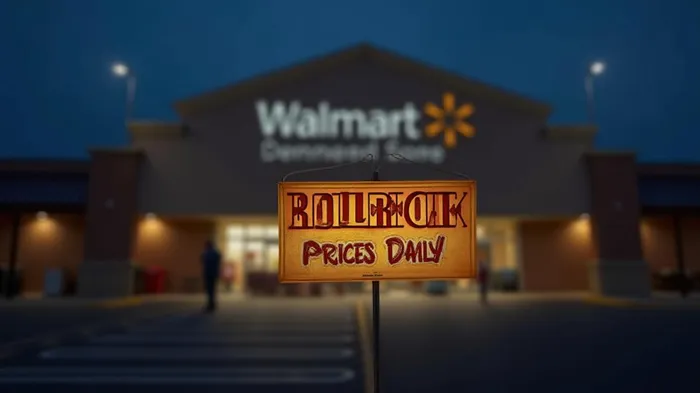
The company has already begun incrementally raising prices on essentials like bananas (+8%) and China-made car seats (+30%), with further hikes expected through mid-2025. While two-thirds of Walmart’s U.S. merchandise is domestically sourced, imports from tariff-heavy regions like Costa Rica and China remain vulnerable. To navigate this, Walmart is:
- Diversifying supply chains: Shifting from aluminum to fiberglass in products to avoid targeted tariffs.
- Prioritizing e-commerce: Online sales rose 22% in Q2, offsetting margin pressures in physical stores.
- Hedging with groceries: Staples like produce and dairy, which account for 60% of U.S. sales, remain relatively tariff-resistant, though imported items like bananas now face $0.04/lb surcharges.
But Walmart’s struggles are not unique. Tariffs have triggered a 0.7% drag on U.S. GDP in 2025, with 456,000 fewer jobs by year-end. The question for investors is: Which retailers—and sectors—can adapt fastest?
The Retail Sector’s New Reality: Winners and Losers
The tariff war has created clear fault lines in retail valuations:
- Laggards: Tariff-Exposed, Margin-Thin Retailers
- Auto and big-box retailers: Companies reliant on imported goods (e.g., furniture, electronics) face direct margin hits. Auto dealers saw sales slump 5.5% in April as buyers rushed to avoid tariffs.
Discount brands: Doll maker Jilly Bing, for example, faces a 30% price hike on China-made products, risking loss of affordability.
Leaders: Domestic Suppliers and Tech-Driven Brands
- U.S. manufacturers: Steel and aluminum producers gained from the U.S.-U.K. trade deal, while companies like NVIDIA expanded chip exports to Saudi Arabia, leveraging tariff pauses.
E-commerce innovators: Walmart’s digital arm turned profitable in Q2, aided by 22% sales growth, while Amazon’s pre-tariff inventory stockpiles insulated it from immediate price hikes.
The Middle: Grocers and Essentials Retailers
Fresh produce prices rose 3.0% in 2025, but demand remains inelastic. Walmart’s grocery dominance (4.5% U.S. sales growth) suggests this sector can weather tariffs better than discretionary categories.
The Consumer’s Choice: From Luxury to Necessity
Tariffs are reshaping consumer behavior in ways that favor some sectors while punishing others. Key trends:
- Trade-down spending: Middle- and lower-income households—disproportionately hit by tariffs—now prioritize discounts. Walmart’s price hikes are testing this tolerance.
- Service-sector resilience: Restaurant sales rose 1.2% in April, as dining out becomes a “cheaper” alternative to expensive groceries.
- Tech and home improvement: Home and garden centers saw their largest sales gain since 2022, as consumers invest in housing amid cooling real-estate markets.
Investment Playbook: Navigating the Tariff Landscape
For investors, the path forward requires a nuanced approach:
Short the Tariff-Dependent: Avoid retailers with heavy reliance on Chinese imports or narrow margins. The consumer discretionary sector—already down 8% year-to-date—faces further declines if tariffs stay elevated.
Buy the Resilient:
- Domestic manufacturers: Companies like Dow Chemical (tariff-free under the U.S.-U.K. deal) or Deere (agricultural equipment) benefit from localized supply chains.
- E-commerce and logistics: Amazon’s (AMZN) warehousing and fulfillment network positions it to capitalize on Walmart’s margin struggles.
Services: Restaurants like Darden Restaurants (DRI) or fitness centers (e.g., LA Fitness) may outperform as consumers trade down on goods.
Hedge with Inflation Plays:
- Gold and precious metals: Tariffs fuel inflation, making commodities like gold (GLD) a hedge against rising prices.
Real estate investment trusts (REITs): Industrial REITs (e.g., Prologis (PLD)) benefit from supply chain reconfigurations.
Monitor Policy Volatility: The U.S.-China 90-day tariff truce—averted a 2.9% price surge—but uncertainty remains. Investors should watch for Walmart’s next earnings call (July 2025) for clues on absorption limits and consumer demand.
Conclusion: The Tariff Tide Will Turn—But Winners Will Outlast
The retail sector’s tariff-driven turbulence is far from over. Yet in chaos lies opportunity. Investors who focus on tariff-resilient sectors, domestic champions, and service-driven businesses will be poised to capitalize on the next phase of this trade war. For now, the message is clear: Follow the margins, not the tariffs—and keep one eye on the exit.
Act now, before the tide turns against you.





Comentarios
Aún no hay comentarios