
The Tariff Tradeoff: Fast Money's Outlook on Trump's 100-Day Crossroads
The 2024 election delivered Donald Trump a second term, but the markets are now in a holding pattern, bracing for the next chapter of his economic agenda. With tariffs at the heart of his policies, traders are split between opportunism and caution. Let’s dissect where the Fast Money crowd sees promise—and where they’re sweating the risks—in the next 100 days.
The Opportunities: Betting on the "Trump Trade"
The "classic Trump trade" remains alive, as traders look to sectors that could thrive under his policies. Here’s where the bulls are placing their chips:
Domestic Manufacturing & Energy: Tariffs on imports are designed to shield U.S. industries. Analysts like James Kniveton of Convera argue this could boost companies like CaterpillarCAT-- (CAT) and General Electric (GE), which rely on domestic production. The will be key here.
The Dollar & Treasuries: Trump’s fiscal spending and trade policies are expected to widen the U.S. deficit, pushing yields higher. The 10-year Treasury yield hit 4.335% in early November 2024—up from 3.8% in September—and traders are betting it climbs further. Bond-heavy ETFs like TLT could see inflows.
Bitcoin as a "Trump Aligned Asset": Cryptocurrency surged 2.9% on election night, as some traders view Bitcoin as a hedge against inflation and a beneficiary of Trump’s anti-Wall-Street rhetoric. The will test this narrative.
The Problems: Tariffs as a "Supply Shock"
Yet traders are deeply skeptical of the long-term consequences. The warning signs are stark:
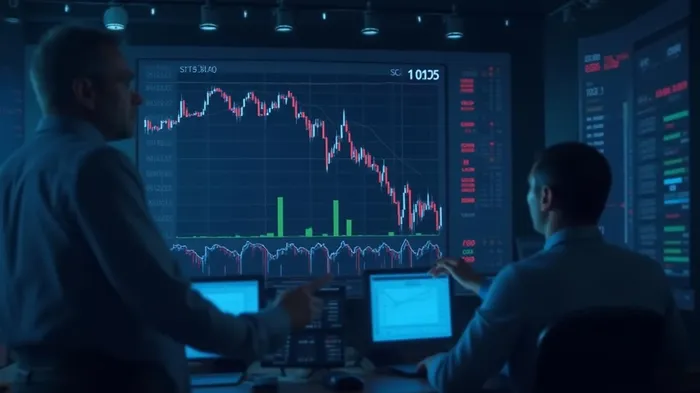
Market Volatility: The S&P 500 has already fallen 15% since Trump’s January 2025 inauguration, nearing bear territory. The underscores the toll of tariff-driven inflation.
Recession Risks: JPMorgan now assigns a 60% probability of a recession, citing tariffs as a "massive supply shock" akin to 1970s oil crises. David Kotok of Cumberland Advisors warns this could strangle growth.
Public Sentiment vs. Reality: While 87% of Trump’s 2024 voters approve of his economic policies, only 39% of Americans overall back his handling of inflation. This disconnect suggests political risk—a 2026 midterm backlash could upend markets.
The Fed’s Role in the Drama
Don’t overlook the Federal Reserve’s shadow over this scenario. Fed Chair Jerome Powell, a Trump appointee, faces a dilemma: hiking rates to curb inflation could worsen the recession odds, while holding rates risks a loss of credibility. The reveal the tightrope ahead.
Conclusion: A High-Reward, High-Risk Gamble
The traders’ calculus is clear: Trump’s policies could create pockets of profit (e.g., industrials, Treasuries) but also amplify systemic risks. The data is damning: the S&P 500’s 15% drop since January, 71% public belief that tariffs worsen inflation, and a 60% recession probability all point to caution.
Yet core Trump voters like Jessianna Bartier of Ohio remain defiant, betting on long-term gains. For now, the market is stuck in a paradox—traders are pricing in short-term tariff benefits but fearing a prolonged "market wipeout" (per Yardeni Research).
In the next 100 days, watch for clarity on tariff specifics, Fed policy, and economic data. Until then, this is a game of inches—and traders will be parsing every headline for clues.
The bottom line: Trump’s second act offers opportunities for sector-specific bets, but the macro risks are existential. Fast Money’s edge will lie in timing the cycles—or escaping before the next crash.





Comentarios
Aún no hay comentarios