
Tariff Threats: A Shadow Over US-Canada Oil Reliance
Generado por agente de IAWesley Park
jueves, 19 de diciembre de 2024, 9:54 am ET2 min de lectura
The United States' reliance on Canada for the majority of its oil imports is facing a significant challenge: tariff threats. As geopolitical tensions and trade uncertainties escalate, the stability of this crucial energy relationship is being called into question. This article explores the potential impacts of tariffs on US energy security, the Canadian oil industry, and the strategies both countries may employ to mitigate these risks.
Tariffs on Canadian oil imports could have severe consequences for US energy security. Canada supplies around 40% of US oil imports, making it a critical partner in meeting America's energy needs. A study by Kreuter and Riccaboni (2019) highlights the disruptive effects of input tariff policies on production networks, which could lead to supply chain disruptions, increased production costs, and potential shortages. Moreover, increased uncertainty in energy trade, as demonstrated by the impact of trade policy uncertainty on Chinese firms (Handley & Limão, 2015), could deter investment in the energy sector, further threatening US energy security.
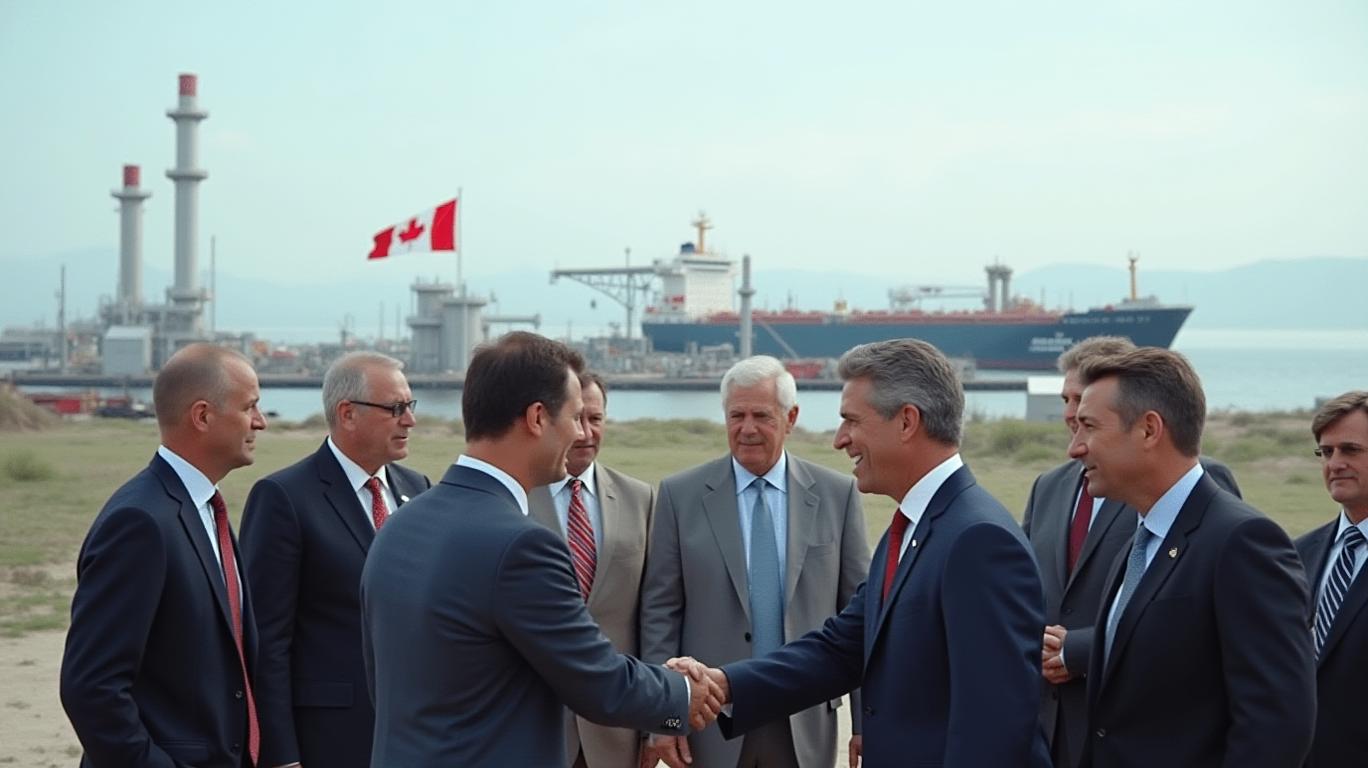
The Canadian oil industry is also vulnerable to tariff threats. A study by the Canadian Energy Research Institute estimates that a 10% tariff on Canadian oil imports could result in a 15% reduction in Canadian oil production, leading to 15,000 job losses in the oil and gas sector and a CAD 1.4 billion annual GDP loss. These economic and job loss implications underscore the importance of stable trade policies for the Canadian oil industry and the broader economy.
To mitigate the effects of US tariffs, Canadian oil producers could adapt their strategies by diversifying their export markets, investing in alternative transportation methods, and improving energy efficiency. According to a study by the Journal of International Economics (2022), firms respond to increased trade policy uncertainty by reducing market entry and increasing market exit. Therefore, Canadian producers may focus on strengthening their presence in existing markets and exploring new ones, such as Asia and Europe, to reduce dependence on the US market. Additionally, investing in pipelines, rail, or even LNG terminals could help diversify transportation methods, reducing the impact of potential tariffs. Lastly, improving energy efficiency and reducing production costs can enhance competitiveness in the global market, making Canadian oil more attractive to international buyers despite tariff threats.
In conclusion, tariff threats cast a shadow over the US reliance on Canada for the majority of its oil imports, with potential consequences for both countries' energy security and economic stability. As the US and Canada navigate these challenges, it is crucial for them to engage in open dialogue and explore alternative energy sources and transportation methods to ensure a stable and secure energy supply. Investors should also consider the potential impacts of tariffs on energy stocks and diversify their portfolios accordingly. By working together and adapting to the changing energy landscape, the US and Canada can mitigate the risks posed by tariff threats and maintain a strong, resilient energy partnership.



Divulgación editorial y transparencia de la IA: Ainvest News utiliza tecnología avanzada de Modelos de Lenguaje Largo (LLM) para sintetizar y analizar datos de mercado en tiempo real. Para garantizar los más altos estándares de integridad, cada artículo se somete a un riguroso proceso de verificación con participación humana.
Mientras la IA asiste en el procesamiento de datos y la redacción inicial, un miembro editorial profesional de Ainvest revisa, verifica y aprueba de forma independiente todo el contenido para garantizar su precisión y cumplimiento con los estándares editoriales de Ainvest Fintech Inc. Esta supervisión humana está diseñada para mitigar las alucinaciones de la IA y garantizar el contexto financiero.
Advertencia sobre inversiones: Este contenido se proporciona únicamente con fines informativos y no constituye asesoramiento profesional de inversión, legal o financiero. Los mercados conllevan riesgos inherentes. Se recomienda a los usuarios que realicen una investigación independiente o consulten a un asesor financiero certificado antes de tomar cualquier decisión. Ainvest Fintech Inc. se exime de toda responsabilidad por las acciones tomadas con base en esta información. ¿Encontró un error? Reportar un problema




Comentarios
Aún no hay comentarios