
Tariff Threat Prompts Automakers to Find New Suppliers, Consider Higher Prices
Generado por agente de IAWesley Park
domingo, 2 de febrero de 2025, 1:19 am ET2 min de lectura
GM--
The automotive industry is facing a new challenge as the threat of tariffs on Canadian and Mexican imports looms. This potential 25% duty on vehicles and parts could significantly impact the cost structure of major automakers like General Motors, forcing them to find new suppliers and consider higher prices. In this article, we'll explore the strategic alternatives automakers have to mitigate these costs and the potential impact on consumer demand and market competition.
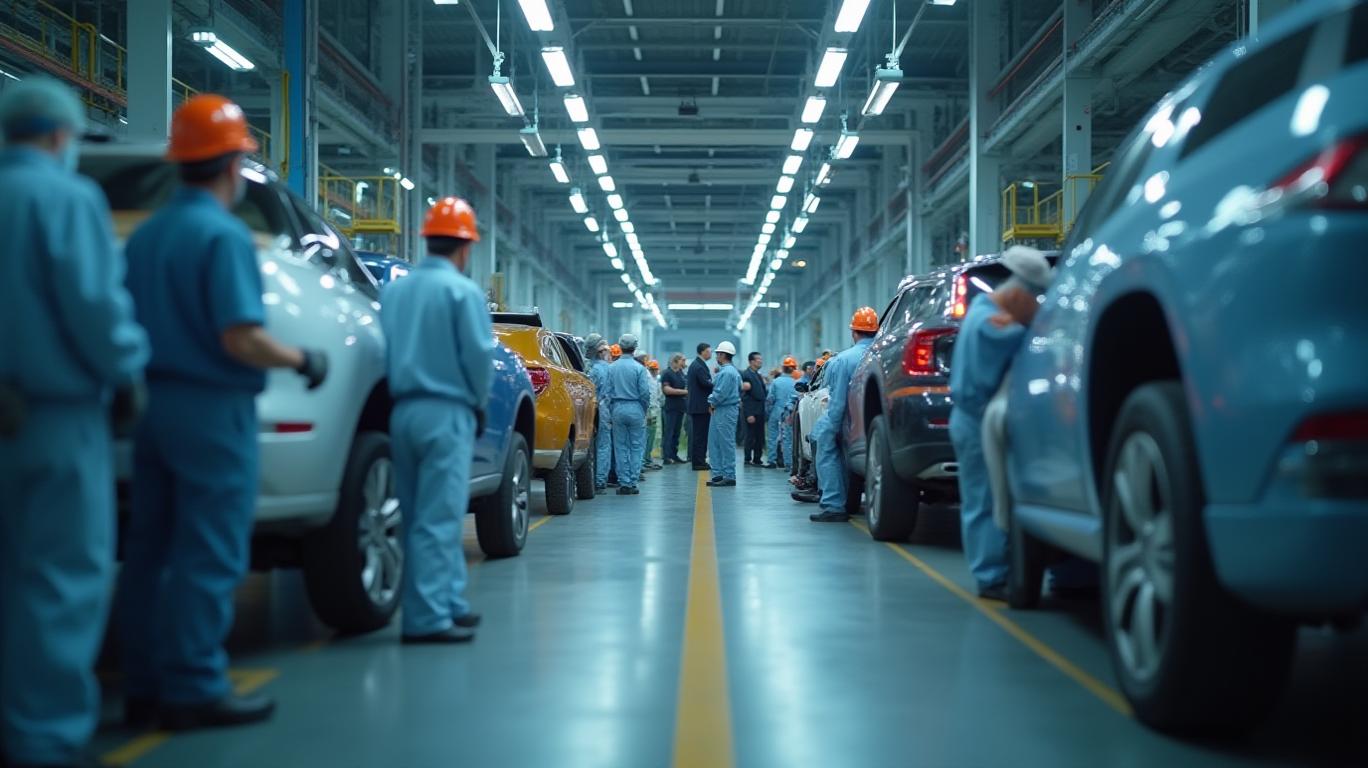
Automakers are actively seeking ways to reduce their reliance on imports from Canada and Mexico. One strategy is reshoring production, which involves moving manufacturing back to the U.S. or closer to home. Magna International Inc., North America's largest parts maker, is doubling down on its "local-for-local" strategy, ensuring that the parts it builds in a market are for customers in the area and that it locally sources components whenever possible (Automotive News). General Motors is also taking a similar approach, with Tanya Skilton, executive director of strategy, innovation and customer care at GM, stating that "building local for local is a very clean formula" for the company, regardless of which policies are pursued in Washington (MEMA Original Equipment Suppliers Annual Conference).
Another strategic alternative is diversifying supply chains. Automakers are exploring strategies like diversifying suppliers, localizing production, and stockpiling critical components to reduce future disruptions. This approach helps mitigate the impact of supply chain issues, such as the lingering semiconductor shortage (Automotive industry faces ongoing supply chain struggles, economic pressures and evolving trends as it navigates an uncertain 2025). Hyundai and General Motors signed a memorandum of understanding to collaborate on supply chains and other areas of production, aiming to help the companies benefit from operational synergies and drive cost efficiencies by combining sourcing efforts to secure and reduce the cost of raw materials, such as steel and materials needed to make EV batteries (Hyundai and General Motors sign deal to collaborate on supply chains and other areas of production).
The threat of tariffs could also influence automakers' pricing strategies, potentially leading to increased vehicle prices and reduced consumer demand. Higher vehicle prices due to tariffs could make vehicles less affordable for consumers, potentially leading to a slowdown in sales. For example, GM's stock had one of its worst days in years in 2025 due to uncertainty about trade policies, despite beating Wall Street's expectations for its 2025 guidance (Barclays, 2025). This could make vehicles less affordable for consumers, potentially leading to a slowdown in sales.
In conclusion, the threat of tariffs on Canadian and Mexican imports is prompting automakers to find new suppliers and consider higher prices. By reshoring production, diversifying supply chains, investing in smart manufacturing, and strengthening local production capabilities, automakers can better navigate the uncertain 2025 landscape. However, the potential impact on consumer demand and market competition remains to be seen. As the situation evolves, automakers must remain adaptable and prepared to adjust their strategies as needed.
MGA--
The automotive industry is facing a new challenge as the threat of tariffs on Canadian and Mexican imports looms. This potential 25% duty on vehicles and parts could significantly impact the cost structure of major automakers like General Motors, forcing them to find new suppliers and consider higher prices. In this article, we'll explore the strategic alternatives automakers have to mitigate these costs and the potential impact on consumer demand and market competition.
Automakers are actively seeking ways to reduce their reliance on imports from Canada and Mexico. One strategy is reshoring production, which involves moving manufacturing back to the U.S. or closer to home. Magna International Inc., North America's largest parts maker, is doubling down on its "local-for-local" strategy, ensuring that the parts it builds in a market are for customers in the area and that it locally sources components whenever possible (Automotive News). General Motors is also taking a similar approach, with Tanya Skilton, executive director of strategy, innovation and customer care at GM, stating that "building local for local is a very clean formula" for the company, regardless of which policies are pursued in Washington (MEMA Original Equipment Suppliers Annual Conference).
Another strategic alternative is diversifying supply chains. Automakers are exploring strategies like diversifying suppliers, localizing production, and stockpiling critical components to reduce future disruptions. This approach helps mitigate the impact of supply chain issues, such as the lingering semiconductor shortage (Automotive industry faces ongoing supply chain struggles, economic pressures and evolving trends as it navigates an uncertain 2025). Hyundai and General Motors signed a memorandum of understanding to collaborate on supply chains and other areas of production, aiming to help the companies benefit from operational synergies and drive cost efficiencies by combining sourcing efforts to secure and reduce the cost of raw materials, such as steel and materials needed to make EV batteries (Hyundai and General Motors sign deal to collaborate on supply chains and other areas of production).
The threat of tariffs could also influence automakers' pricing strategies, potentially leading to increased vehicle prices and reduced consumer demand. Higher vehicle prices due to tariffs could make vehicles less affordable for consumers, potentially leading to a slowdown in sales. For example, GM's stock had one of its worst days in years in 2025 due to uncertainty about trade policies, despite beating Wall Street's expectations for its 2025 guidance (Barclays, 2025). This could make vehicles less affordable for consumers, potentially leading to a slowdown in sales.
In conclusion, the threat of tariffs on Canadian and Mexican imports is prompting automakers to find new suppliers and consider higher prices. By reshoring production, diversifying supply chains, investing in smart manufacturing, and strengthening local production capabilities, automakers can better navigate the uncertain 2025 landscape. However, the potential impact on consumer demand and market competition remains to be seen. As the situation evolves, automakers must remain adaptable and prepared to adjust their strategies as needed.

Divulgación editorial y transparencia de la IA: Ainvest News utiliza tecnología avanzada de Modelos de Lenguaje Largo (LLM) para sintetizar y analizar datos de mercado en tiempo real. Para garantizar los más altos estándares de integridad, cada artículo se somete a un riguroso proceso de verificación con participación humana.
Mientras la IA asiste en el procesamiento de datos y la redacción inicial, un miembro editorial profesional de Ainvest revisa, verifica y aprueba de forma independiente todo el contenido para garantizar su precisión y cumplimiento con los estándares editoriales de Ainvest Fintech Inc. Esta supervisión humana está diseñada para mitigar las alucinaciones de la IA y garantizar el contexto financiero.
Advertencia sobre inversiones: Este contenido se proporciona únicamente con fines informativos y no constituye asesoramiento profesional de inversión, legal o financiero. Los mercados conllevan riesgos inherentes. Se recomienda a los usuarios que realicen una investigación independiente o consulten a un asesor financiero certificado antes de tomar cualquier decisión. Ainvest Fintech Inc. se exime de toda responsabilidad por las acciones tomadas con base en esta información. ¿Encontró un error? Reportar un problema


SOBRE NOSOTROS
Nuestra historiaAutores de noticiasBase de conocimientosPolítica de privacidadTérmino de usoDescargo de responsabilidad de corretaje de tercerosTérminos de uso de AIMEDivulgaciones de riesgos de AInvest AICarrerasCONTÁCTENOS
Email: support@ainvest.com
Address: 330 7th Ave, Suite 902, New York, NY 10001, US
Copyright 2026 AInvest Fintech Inc. All rights reserved.


Comentarios
Aún no hay comentarios