
Why the Tariff Relief Stock Rally Isn’t Shaking Wall Street’s Biggest Bear
The recent spate of tariff relief announcements—from pauses on global duties to exemptions for allies like Israel—has sparked a modest rebound in equities. Yet beneath the surface, Wall Street’s most ardent bears remain unconvinced. Despite fleeting optimism, the data shows that systemic risks rooted in trade policy, inflation, and corporate uncertainty continue to outweigh near-term relief. This is not a moment of resolution but a fragile detente, with the underlying fractures in the global economy still gaping.
The Illusion of Relief
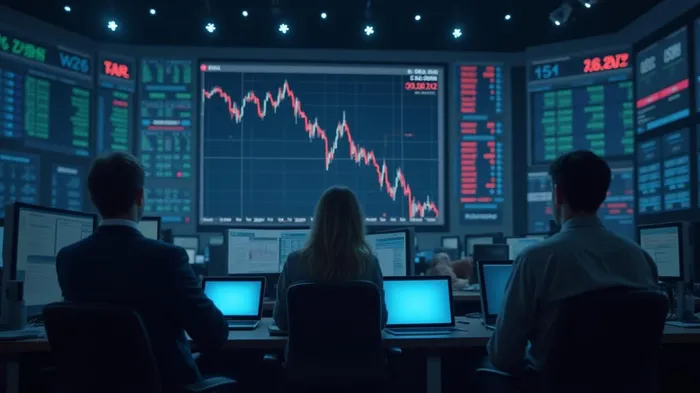
The White House’s 90-day tariff pause and selective exemptions have provided a brief reprieve. U.S. stocks staged a 2% rebound in early February, with tech and industrial sectors leading gains. But this rally lacks staying power. The S&P 500 remains 17.6% below its February 2024 peak, and volatility remains extreme: the index swung between 4.7% losses and gains before closing down 0.2% last week. The problem? Relief is neither broad nor permanent.
Take WalmartWMT-- (), whose CEO Doug McMillon recently admitted the retailer’s ability to predict operating income is “compromised” by tariff uncertainty. Two-thirds of Walmart’s U.S. sales are domestic, but the remaining third—imports from China and Mexico—are now subject to swings in 125% tariffs. The company’s caution is emblematic of a broader corporate dilemma: even if some tariffs are paused, the threat of new levies looms.
The Bear Case: Three Unresolved Threats
Inflation’s Shadow
While tariffs have yet to ignite a broad price spike, the Federal Reserve remains wary. Chair Jerome Powell has resisted calls for rate cuts, citing lingering risks from trade-related inflation. The real danger lies in second-order effects: if corporations pass tariffs to consumers, or if supply chains fracture, prices could surge. Copper—a classic “economic canary”—has collapsed 20% from recent highs, signaling a global slowdown, not a recovery.Supply Chain Time Bombs
Tariffs aren’t just about taxes; they’re about logistics. Companies like Basic Fun (toys) have halted Asian shipments, fearing they “cannot absorb” tariff costs. This isn’t isolated: the Business Roundtable’s economic outlook index has plummeted to 7 points in early 2025, its lowest since the 2008 crisis. CEOs now see tariffs as a bigger threat than interest rates.Trump’s Intransigence
The administration’s mixed signals—pauses followed by new threats—have deepened distrust. While Treasury Secretary Scott Bessent claims Trump is “ready to negotiate,” Adviser Peter Navarro insists “no deal is better than a bad deal.” This schizophrenia leaves markets guessing. Even Israel’s tariff pause, secured after Netanyahu vowed to eliminate the U.S. trade deficit, has done little to calm nerves.
Why the Rally Won’t Last
The recent bounce reflects relief from the worst-case scenario (a full-scale trade war). But the underlying structure of U.S. trade policy remains punitive. China’s retaliatory tariffs on U.S. goods remain at 84%, and Trump has threatened to raise U.S. tariffs to 104% if Beijing doesn’t capitulate. Meanwhile, the S&P 500’s price-to-earnings ratio has compressed to 15x, near its 10-year average—suggesting little room for error.
Conclusion: The Bear Case is Data-Driven
The bears aren’t being stubborn—they’re looking at the math. The S&P 500’s 17.6% drop from its peak, coupled with a 10–15% decline in steel and aluminum prices and a 20% copper collapse, paints a picture of demand destruction. Walmart’s warnings about consumer caution, especially among lower-income shoppers, and the Business Roundtable’s record-low optimism all point to a slowdown.
Even if a deal emerges, the damage is done. Supply chains have already begun shifting: companies are diversifying away from China, not just hedging. This “deglobalization” will take years to unwind, and in the interim, volatility will persist. For now, the bears have the data—and the charts—on their side.
The market’s true test comes when the 90-day tariff pause expires. Until then, the rally remains a flicker in a storm.







Comentarios
Aún no hay comentarios