
Target's Bold Move into THC Beverages: A Retail-Driven Shift in Cannabis Normalization and Investment Opportunities
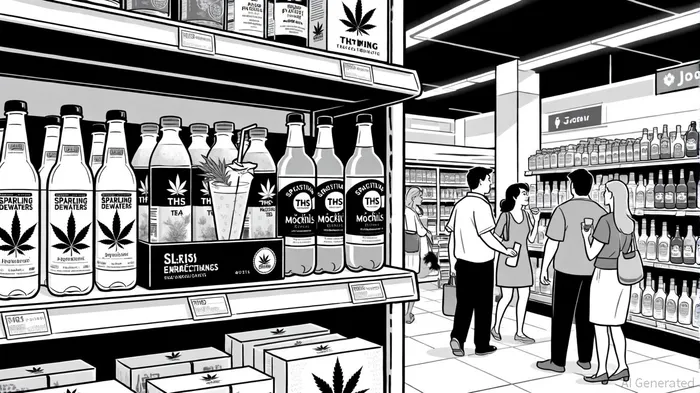
The retail landscape is undergoing a seismic shift as Target CorporationTGT--, a titan in U.S. consumer goods, tests hemp-derived THC beverages in ten Minnesota stores, according to a GreenState report. This strategic foray into the cannabis beverage market signals a broader normalization of cannabis consumption and underscores the sector's potential for investors. With the U.S. cannabis beverage market projected to grow as states refine regulations and consumer preferences evolve, the implications for consumer goods investors are profound.
Market Growth and Regulatory Momentum
The hemp-derived THC beverage market has already surpassed $1 billion in sales in 2024, as reported by Cannabis Science & Technology. Minnesota, the first state to regulate these products in 2022, has become a national model, balancing consumer safety with market accessibility, according to GreenState. By 2025, 27 states and Washington, D.C., have introduced over 80 pieces of legislation, according to the multi-state scoreboard, which standardizes potency limits, age restrictions, and labeling requirements. For instance, Minnesota now mandates front-panel THC disclosures and stricter enforcement against underage sales, while Florida and Kentucky have adopted alcohol-style distribution systems to ensure compliance.
These regulatory advancements are not merely bureaucratic hurdles but catalysts for market legitimacy. As states create frameworks that mirror those of the alcohol industry, they reduce consumer skepticism and open doors for major retailers like TargetTGT-- to enter the space with confidence.
Consumer Behavior: A New Era of Beverage Consumption
The demand for THC beverages is being driven by a distinct demographic: younger, affluent, and health-conscious consumers seeking alternatives to alcohol, according to Brightfield Group. Approximately 46.7% of hemp drink consumers who also consume alcohol report reducing their alcohol intake, a trend that aligns with broader societal shifts toward mindful consumption. These beverages appeal to individuals prioritizing low-calorie, non-intoxicating options while offering a socially acceptable method of controlled THC ingestion.
This consumer shift is not incremental-it is transformative. As data from Cannabis Science & Technology highlights, the market's growth is fueled by a desire for functional wellness and social integration. For investors, this represents a dual opportunity: capitalizing on the cannabis normalization wave while tapping into the enduring demand for innovative consumer goods.
Investment Implications: Opportunities and Challenges
Target's entry into the THC beverage market is a bellwether for institutional investors. The retailer's scale and brand trust signal to the market that cannabis-derived products are no longer niche but mainstream. However, challenges persist, particularly at the federal level. The U.S. remains in a regulatory limbo, with hemp-derived THC products existing in a gray area under the 2018 Farm Bill. This uncertainty complicates banking access and interstate commerce, though legislative efforts like the SAFER Banking Act aim to address these barriers.
For consumer goods investors, the key lies in balancing short-term risks with long-term potential. Companies that partner with established retailers like Target, navigate state-by-state regulatory complexity, and prioritize product differentiation will likely outperform. The market's projected expansion-driven by states like Minnesota, Florida, and Kentucky-also suggests that geographic diversification is critical.
Conclusion: A Tipping Point for Cannabis in Retail
Target's foray into THC beverages is more than a product test-it is a strategic bet on the future of consumer retail. As states continue to refine regulations and consumer demand outpaces supply, the cannabis beverage market is poised to become a cornerstone of the broader consumer goods sector. For investors, the lesson is clear: the normalization of cannabis is no longer speculative but a tangible, market-driven reality. Those who align with this shift-while navigating regulatory and operational complexities-stand to benefit from a transformative wave in beverage consumption.





Comentarios
Aún no hay comentarios