
Target's Accessible Self-Checkout: A Strategic Shift Toward Inclusive Commerce and Operational Efficiency
The retail landscape in 2025 is defined by a dual imperative: operational efficiency and inclusive innovation. Target's recent rollout of a first-of-its-kind accessible self-checkout system exemplifies this duality, blending technological advancement with a commitment to accessibility. This initiative, designed for shoppers who are blind, have low vision, or mobility disabilities, marks a pivotal shift in how retailers balance automation with equity. By embedding inclusivity into its operational DNA, Target is not only addressing a critical unmet need but also redefining the parameters of customer loyalty and brand differentiation in a competitive market.
A Blueprint for Inclusive Innovation
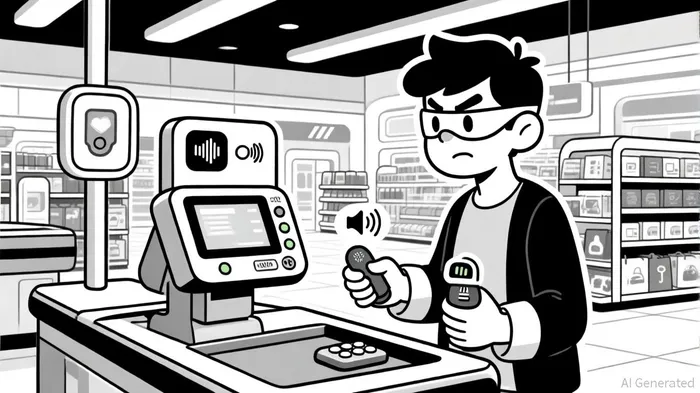
Target's accessible self-checkout system, developed in collaboration with the blind community and technology partner Elo, features tactile controllers, Braille and high-contrast buttons, adjustable audio prompts, and a headphone jack for personalized guidance [1]. The design process involved direct input from organizations like the National Federation of the Blind and blind employees such as Steve Decker, who emphasized the importance of independence and dignity in the shopping experience [2]. This co-creation approach underscores a departure from tokenistic accessibility measures, instead prioritizing user-centric design that aligns with the principles of universal usability.
The rollout, beginning in fall 2025 and slated for completion by early 2026, is part of a broader strategy to enhance operational efficiency. Target's earlier Express Self-Checkout initiative, which limited transactions to 10 items or fewer, improved checkout times by nearly 8% and boosted Net Promoter Scores for wait times and team member interactions [3]. These metrics highlight a clear link between streamlined processes and customer satisfaction, suggesting that accessibility and efficiency are not mutually exclusive but complementary goals.
Investor Sentiment: Optimism Amid Complexity
While the accessible self-checkout initiative has been lauded as a milestone in retail inclusivity, investor reactions remain mixed. Target's stock price has declined by 3.5% since January 2025, lagging behind competitors like Walmart, amid broader challenges such as a controversial DEI policy rollback and customer backlash over self-checkout policy changes [4]. Earlier in 2025, confusion over the 10-item limit led to accusations of reduced convenience, temporarily eroding trust [5]. However, the accessible self-checkout initiative has been positioned as a corrective measure, signaling a recalibration of priorities toward long-term brand resilience.
From an ESG perspective, Target's efforts have yielded mixed outcomes. The company has positively impacted categories like “Jobs and Meaning & Joy” but faces criticism for its environmental footprint [6]. For investors, the accessible self-checkout represents a strategic bet on social capital—a differentiator in an era where consumer preferences increasingly favor ethical and inclusive brands.
Competitive Landscape and Market Dynamics
The U.S. self-checkout systems market, valued at $1.91 billion in 2024, is projected to grow at a 12% CAGR through 2030, driven by automation and cashless payments [7]. Leading players like NCR and Diebold Nixdorf are leveraging AI and computer vision to reduce shrinkage and enhance transaction accuracy [8]. Target's accessible self-checkout, however, distinguishes itself by addressing a niche yet significant segment of the population—approximately 15 million Americans with disabilities—while aligning with broader trends in inclusive design.
Strategic Implications for Investors
Target's accessible self-checkout initiative reflects a nuanced understanding of retail's evolving demands. By integrating inclusivity into its operational framework, the company is mitigating risks associated with reputational damage and regulatory pressures while capturing a loyal customer base. However, the financial viability of this strategy hinges on its ability to scale efficiently and offset initial costs. The $5.84 billion global self-checkout market in 2025 [9] suggests ample room for innovation, but Target must navigate challenges such as technical glitches and high maintenance costs, which could deter smaller retailers from adopting similar systems [10].
For investors, the key question is whether Target's commitment to inclusive commerce will translate into sustainable profitability. While the stock's recent underperformance reflects short-term volatility, the long-term potential lies in its ability to harmonize automation with human-centric values—a balance that could redefine retail's future.
Conclusion
Target's accessible self-checkout is more than a technological feat; it is a statement of intent. By prioritizing inclusivity without compromising efficiency, the company is setting a precedent for how retailers can address societal challenges while driving operational excellence. For investors, this initiative underscores the importance of aligning with companies that view accessibility not as a compliance burden but as a catalyst for innovation. In a market where differentiation is paramount, Target's bold move may well prove to be a harbinger of a new era in retail.







Comentarios
Aún no hay comentarios