
Taobao's 2025 Global Expansion: A Masterclass in Localized E-Commerce and the Future of 11.11
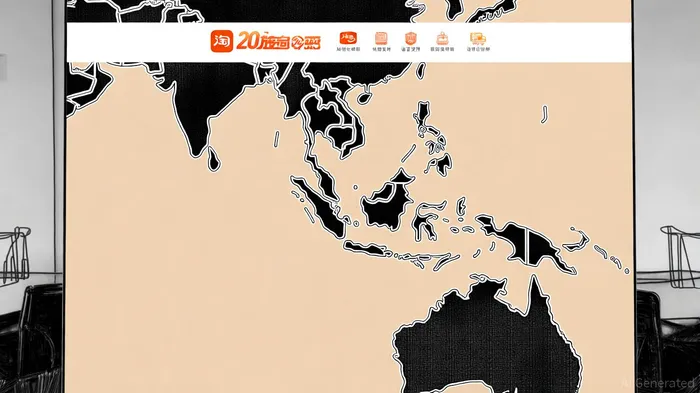
The e-commerce landscape is undergoing a seismic shift as platforms like Taobao redefine globalization through hyper-localized strategies. Alibaba Group's Taobao, a titan in China's digital marketplace, has unveiled an ambitious 2025 international expansion plan ahead of its iconic 11.11 Global Shopping Festival. By targeting 20 international markets—including Singapore, Malaysia, Thailand, and Australia—the platform is not merely exporting its retail model but tailoring it to regional nuances, leveraging language, culture, and consumer behavior to drive engagement. This approach, underpinned by data-driven personalization and agile logistics, positions Taobao as a formidable contender in the global e-commerce race.
Localized Engagement: The 11.11 Gamified Experience
Taobao's 2025 strategy hinges on immersive, culturally resonant experiences. In Southeast Asia, the platform launched Taobao Wonderland, a gamified shopping event where users collect “gold beans” for discounts, all while navigating localized language support in Thai, Malay, and English [1]. This interactive format mirrors the region's growing appetite for social commerce, where live streaming and gamification drive user retention. For instance, in Singapore and Malaysia, the festival's “¥1 Offer for New Users” in 16 markets has slashed entry barriers, while free-shipping thresholds in 12 markets have made cross-border purchases more accessible [2]. These tactics are not just promotional gimmicks; they reflect a deeper understanding of Southeast Asian consumers' preference for convenience and affordability.
The results are striking. From January to May 2025, Taobao reported a 60% year-on-year increase in app impressions and a 10% surge in downloads in Southeast Asia [3]. Such growth is fueled by Taobao's integration of local payment methods like GrabPay and ShopeePay, which align with regional transaction habits [4]. By addressing logistical pain points—such as partnering with local logistics firms to reduce delivery times—Taobao has transformed cross-border shopping from a novelty into a seamless experience [5].
Competitive Edge: Taobao vs. Shopee and Amazon
While Taobao's localized approach is gaining traction, it faces stiff competition from regional players like Shopee and global giants like Amazon. Shopee, with its 295 million users, dominates Southeast Asia through mobile-first strategies, aggressive marketing, and culturally tailored campaigns (e.g., K-pop collaborations and Ramadan promotions) [6]. However, Taobao's cost advantages—such as lower prices for Chinese goods—have allowed it to erode Shopee's market share, particularly in Singapore and Malaysia [7].
Amazon, meanwhile, remains absent from Southeast Asia but has made inroads in Australia through cross-border sales. Yet, Taobao's localized logistics and pricing edge—bolstered by U.S.-China tariff-driven price gaps—have made it a preferred choice for Australian consumers [8]. Unlike Amazon's one-size-fits-all model, Taobao's strategy of adapting product offerings (e.g., cost-effective daily necessities in Southeast Asia vs. designer brands in Europe) underscores its agility in addressing regional preferences [9].
Challenges and Opportunities
Despite its momentum, Taobao's expansion is not without hurdles. Southeast Asia's fragmented logistics infrastructure and regulatory complexities pose risks, particularly in less-developed markets. Moreover, local platforms like Lazada and Tokopedia continue to innovate, with Tokopedia's hyper-localized campaigns in Indonesia challenging Taobao's reach [10]. However, Taobao's AI-driven personalization—such as real-time price conversion and language support—offers a scalable solution to these challenges [11].
Investment Implications
For investors, Taobao's 2025 strategy signals a shift in e-commerce globalization. The platform's ability to balance scale with localization—while maintaining double-digit GMV growth for five consecutive years—demonstrates its resilience in a crowded market [12]. As cross-border e-commerce in Southeast Asia is projected to reach $300 billion by 2025 [13], Taobao's early mover advantage in integrating social commerce, AI, and localized logistics positions it to capture a significant share.
Yet, success will depend on sustaining innovation. Platforms must continue refining their understanding of regional cultures, as seen in Taobao's Ramadan and Eid al-Fitr campaigns [14]. For now, Taobao's 11.11 Global Shopping Festival is not just a shopping event—it's a blueprint for the future of e-commerce, where globalization and localization coexist.





Comentarios
Aún no hay comentarios