
TAO Digital Asset Project Sees Growth Potential in Tourism and Urban Development Trends
- Digital gaming drives virtual-to-real cultural tourism transitions according to research.
- Citywalk tourism reflects demand for experiential urban exploration as studies show.
- Female-led homestays transform rural development dynamics.
TAO (River) investors monitor new research highlighting digital innovation's impact on tourism and urban development sectors. Academic studies reveal gaming, cultural symbols, and blockchain-enabled solutions increasingly shape tourism experiences and economic patterns according to analysis. These shifts create potential applications for decentralized technologies in location-based services and resource management across global markets. Market participants eye opportunities where digital tools intersect with physical experiences.
How Does Gaming Accelerate Cultural-Tourism Integration?
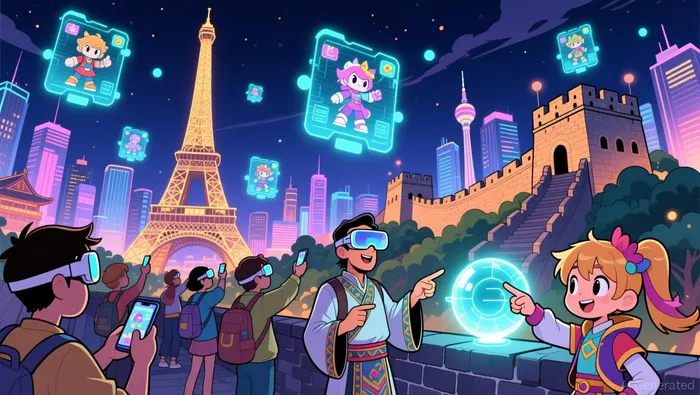
Digital games like Black Myth: Wukong transform cultural symbols into tourism capital research indicates. Players immersed in virtual worlds drive real-world travel through social media and digital communities. This flow creates economic value but strains local infrastructure during visitor surges. Non-players engage differently, relying on traditional tourism channels instead. This behavior gap highlights untapped markets for targeted digital engagement.
Gaming's cultural-tourism integration works through capital conversion and stakeholder collaboration mechanisms. Virtual symbols become social and economic assets through cross-platform interactions. Such transformations could benefit blockchain-based tokenization systems. Projects addressing digital-physical experience gaps merit investor attention given rising demand.
Can Blockchain Solutions Address Tourism Infrastructure Gaps?
Studies identify significant infrastructure limitations in developing tourism corridors like Sichuan-Tibet according to data. Key obstacles include medical services, communication networks, and catering facilities. These gaps create uneven spatial development patterns as research shows. Blockchain applications could potentially enhance supply chain visibility and resource allocation efficiency.







Comentarios
Aún no hay comentarios