
The Tangibilization of Wealth: Why Crypto Elites Are Shifting from NFTs to Physical Assets
The crypto elite, once enamored with the intangible allure of NFTs and speculative tokens, is increasingly pivoting toward physical assets. This shift, dubbed the "tangibilization of wealth," reflects a confluence of psychological, economic, and regulatory factors reshaping how digital-native investors diversify their portfolios. From tokenized real estate to rare commodities, the move underscores a broader recalibration of risk, utility, and trust in an evolving financial landscape.
The Psychology of Risk Aversion and Tangibility
The psychological underpinnings of this transition are rooted in growing risk aversion, particularly among U.S. investors. A 2024 FINRA study reveals that the share of investors considering new crypto purchases has plummeted from 33% in 2021 to 26% in 2024, with younger investors-once the vanguard of crypto adoption-showing a sharper decline in appetite for high-risk assets, from 24% to 15% in the same period. This shift is driven by macroeconomic uncertainties, including inflationary pressures and interest rate volatility, which have pushed investors toward assets perceived as more stable and tangible.
Physical assets, such as real estate, art, and commodities, offer a psychological buffer against the volatility of crypto markets. Unlike NFTs, which often lack intrinsic utility beyond digital ownership, physical assets provide a sense of "tangibility" that aligns with traditional notions of value. This is particularly appealing to crypto elites who, having navigated the 2022 FTX collapse and the 2023–2024 NFT market downturn, now prioritize resilience over speculative gains.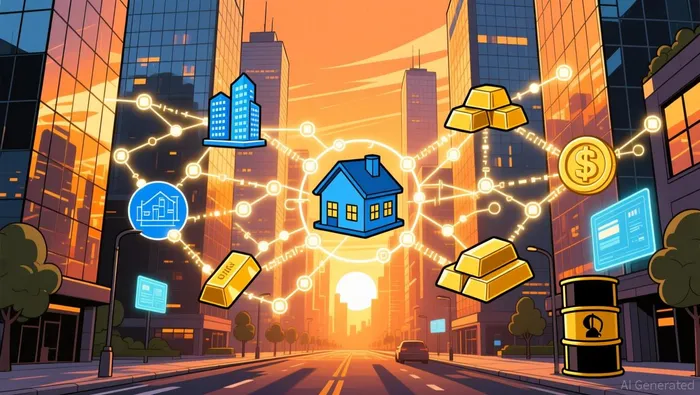
Market Signals: Tokenization and Institutional Adoption
The rise of tokenized real-world assets (RWAs) has further accelerated this shift. By mid-2025, the value of tokenized RWAs-excluding stablecoins-surged from $5 billion in 2022 to $24 billion, with projections suggesting a potential $30 trillion market by 2034. This growth is fueled by innovations like fractional ownership models, which democratize access to high-value assets such as luxury real estate and private credit instruments. Platforms like RentStac, for instance, leverage blockchain to tokenize properties, enabling transparent, non-custodial ownership and liquidity .
Institutional investors are also redefining their strategies. Over 60% of institutional crypto investors now prioritize diversification over speculation, with 26% expressing interest in tokenized RWAs in 2025-a significant jump from 2024. The integration of AI-driven yield optimization and blockchain scalability has enhanced the efficiency of DeFi and RWA markets, making them more attractive to risk-averse capital.
Regulatory Clarity and the Legitimacy of Physical Assets
Regulatory developments have played a pivotal role in this transition. The U.S. Securities and Exchange Commission's approval of spot BitcoinBTC-- ETFs and the proposed GENIUS Act have provided a framework for institutional adoption, legitimizing digital assets while also reinforcing the appeal of regulated physical markets. Meanwhile, fragmented regulatory definitions of "virtual currency" at state and federal levels have created compliance complexities, pushing investors toward tangible assets with clearer legal status.
The FTX collapse further highlighted systemic risks in crypto ecosystems, with Bitcoin and EthereumETH-- emerging as dominant volatility transmitters. In contrast, traditional equity markets, particularly tech stocks, showed limited vulnerability to crypto shocks, underscoring the relative stability of physical assets during crises. According to research, the stability of traditional equity markets during crypto shocks underscores the relative stability of physical assets.
Future Outlook: Balancing Utility and Regulation
While the tangibilization trend is gaining momentum, challenges remain. Regulatory clarity, secondary market liquidity, and the development of institutional-grade infrastructure will be critical to scaling RWA adoption. Additionally, the maturation of NFTs into utility-driven assets-such as those enabling digital identity or intellectual property rights-may temper the shift, offering a hybrid model that bridges digital and physical value .
For now, the crypto elite's pivot to physical assets reflects a pragmatic response to a post-FTX world. As one industry observer notes, "The future of wealth diversification lies not in choosing between digital and physical, but in integrating them-leveraging blockchain's efficiency while anchoring value in the real world."






Comentarios
Aún no hay comentarios